
When South Africa Said Yes to Us
Twenty years ago, on 30 November 2006, South Africa made history. It became the first country in Africa to legalise same-sex marriage.
For many, it was a constitutional milestone. For me, it felt far more intimate than that. It felt like a country looking at people like me and saying, simply: you belong here too.
I arrived in South Africa in 2003, still finding my footing in a new country — learning its rhythms, its humour, its complexity, and its contradictions. As a gay man, I also carried the quiet questions that so many of us know well: Is it safe here? Can I be open? Will I be accepted?
Even then, South Africa felt different.


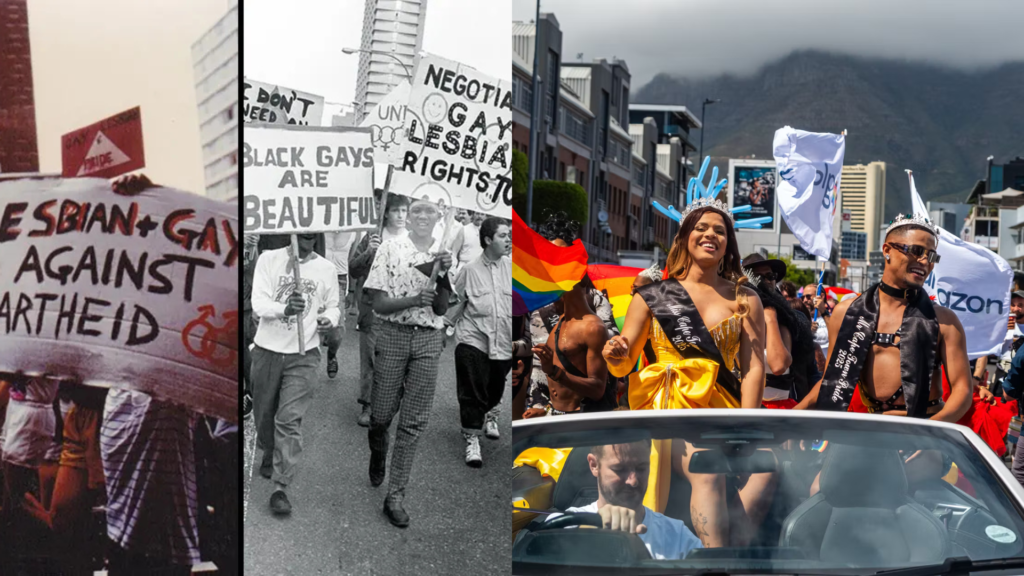
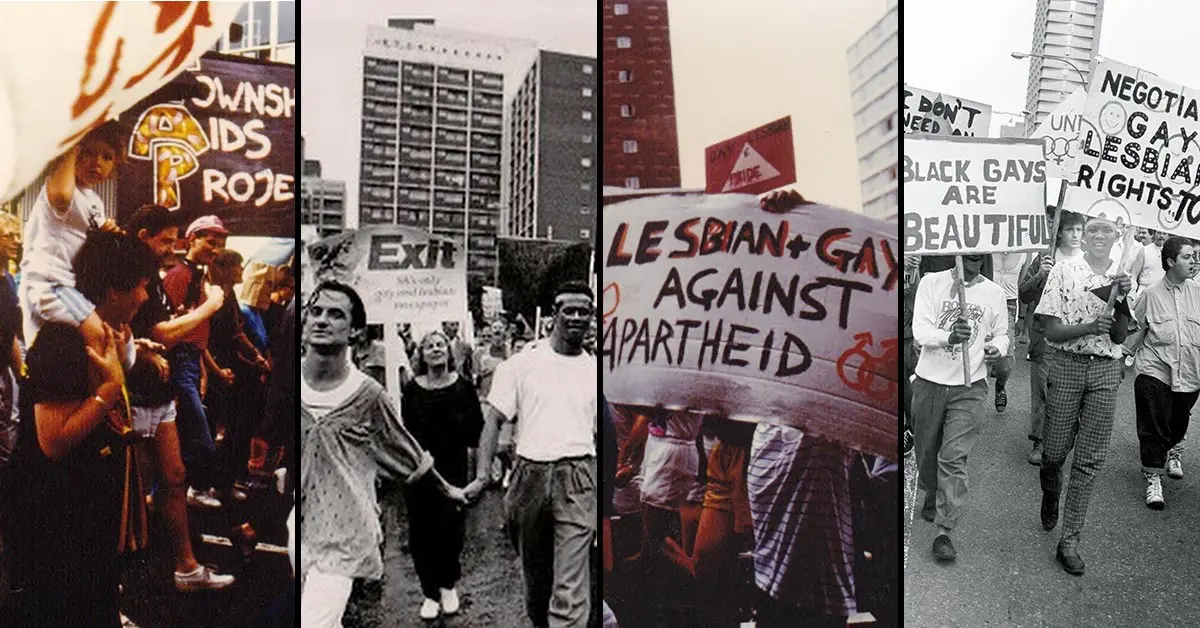
Its Constitution already protected people from discrimination on the basis of sexual orientation, something remarkable not only in Africa, but in much of the world at the time. It told me, at least on paper, that I mattered.
But paper and lived reality are never quite the same thing.

The real question was whether those values would remain symbolic, or whether they would extend into the ordinary fabric of life. Three years later, South Africa answered that question.
When Parliament passed the Civil Union Act, allowing same-sex couples to marry, the shift was not dramatic in the way public history often imagines change. There were no fireworks in my personal life, no grand moment of revelation. What I felt instead was quieter, but in many ways deeper: a profound internal easing.
The state no longer stood at a distance from my humanity. My relationships were no longer something to be politely ignored, left undefined, or treated as an exception to the norm. They were recognised.


That recognition matters in practical ways, of course. It affects hospital access, inheritance, pensions, visas, next-of-kin forms, and all the quiet bureaucracies that shape whether your life is treated as legitimate. But its deepest significance is not administrative. It is emotional.
To be recognised by law is to be told that your love does not exist outside the boundaries of dignity.
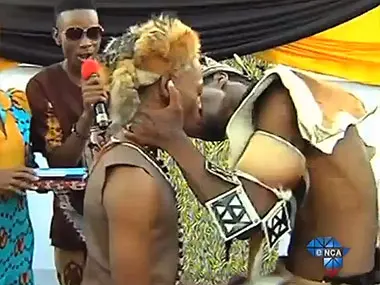
That mattered especially in an African context where so many LGBTQ+ people still live under the shadow of criminalisation, hostility, fear, or enforced silence. South Africa chose another path. It chose equality over exclusion and principle over prejudice.
That choice still matters.
Have we come far in twenty years? Without question. But not far enough.
Today, same-sex couples can marry openly. Pride is visible in cities like Johannesburg and Cape Town. Younger queer people are growing up with the knowledge that if they fall in love with someone of the same sex, the law is not automatically against them. That matters more than we sometimes realise. It shapes how a person imagines their future. It shapes what they believe is possible.
And yet, legal equality has never been the same as lived safety.
Violence and prejudice have not disappeared. In many communities, acceptance remains conditional, uneven, or fragile. Lesbian and transgender people, especially in poorer and more vulnerable settings, continue to face severe risks. Rights on paper do not automatically translate into protection in practice. A Constitution can establish dignity as a principle. It cannot, on its own, transform every street, every household, every institution, or every heart.
Still, perspective matters.
Twenty years ago, marriage equality in Africa felt almost unimaginable. Today, in South Africa, it has been a lived legal reality for two decades. What once felt radical has become ordinary. And there is something quietly powerful about that ordinariness.
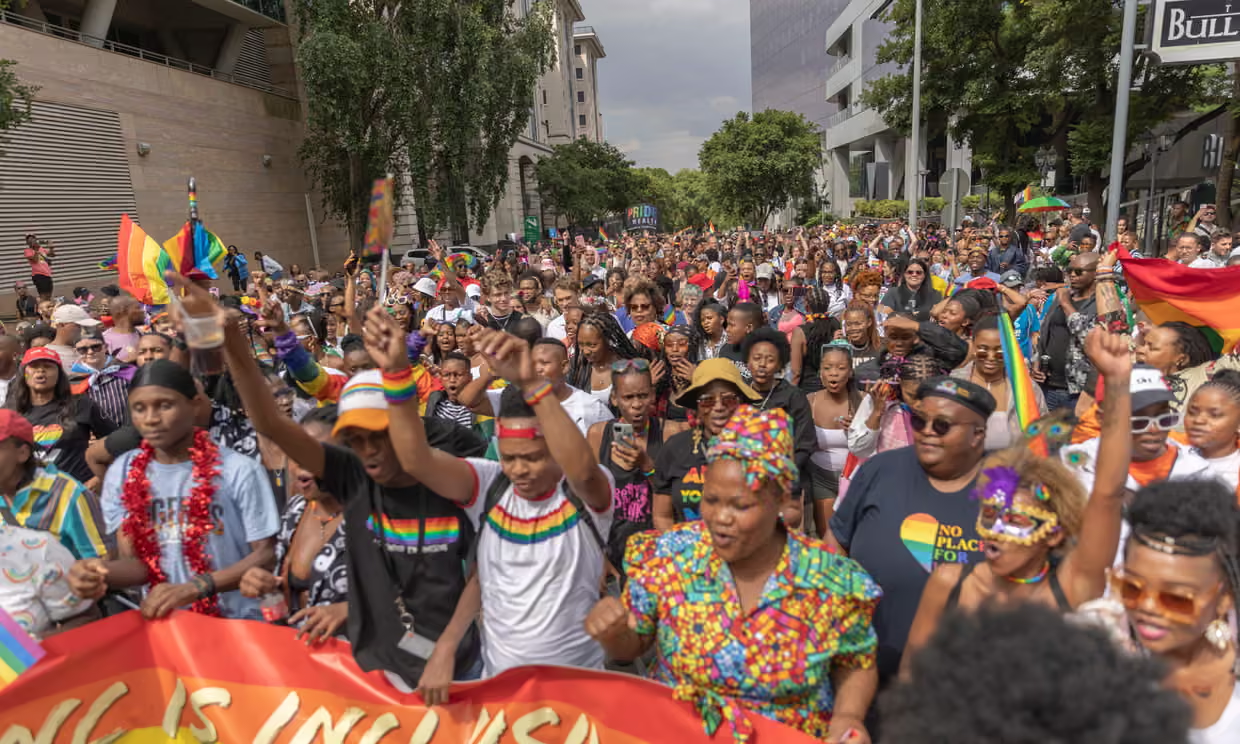
When dignity becomes normal, it changes the horizon for everyone.
For me, marriage equality was never only about whether I personally wanted to get married. It was about something larger than that. It was about choice. It was about knowing that if I chose love, partnership, and commitment in that form, the law would not treat me as lesser.
That knowledge settled something deep inside me. It gave shape to a feeling that many migrants, many queer people, and many outsiders know intimately: the longing not merely to live somewhere, but to belong there.
South Africa is a country shaped by struggle and by the unfinished work of justice. It dismantled apartheid and tried to rebuild itself around the principles of dignity, equality, and human worth. Legalising same-sex marriage was part of that broader moral story. It was a reminder that freedom becomes hollow when it is selective.
If some are excluded, then freedom remains incomplete.
When I think back to those early years after I arrived, I remember the uncertainty. I remember watching the debates unfold. I remember wondering which way the country would lean. And I remember the quiet relief of seeing it lean, however imperfectly, toward inclusion.
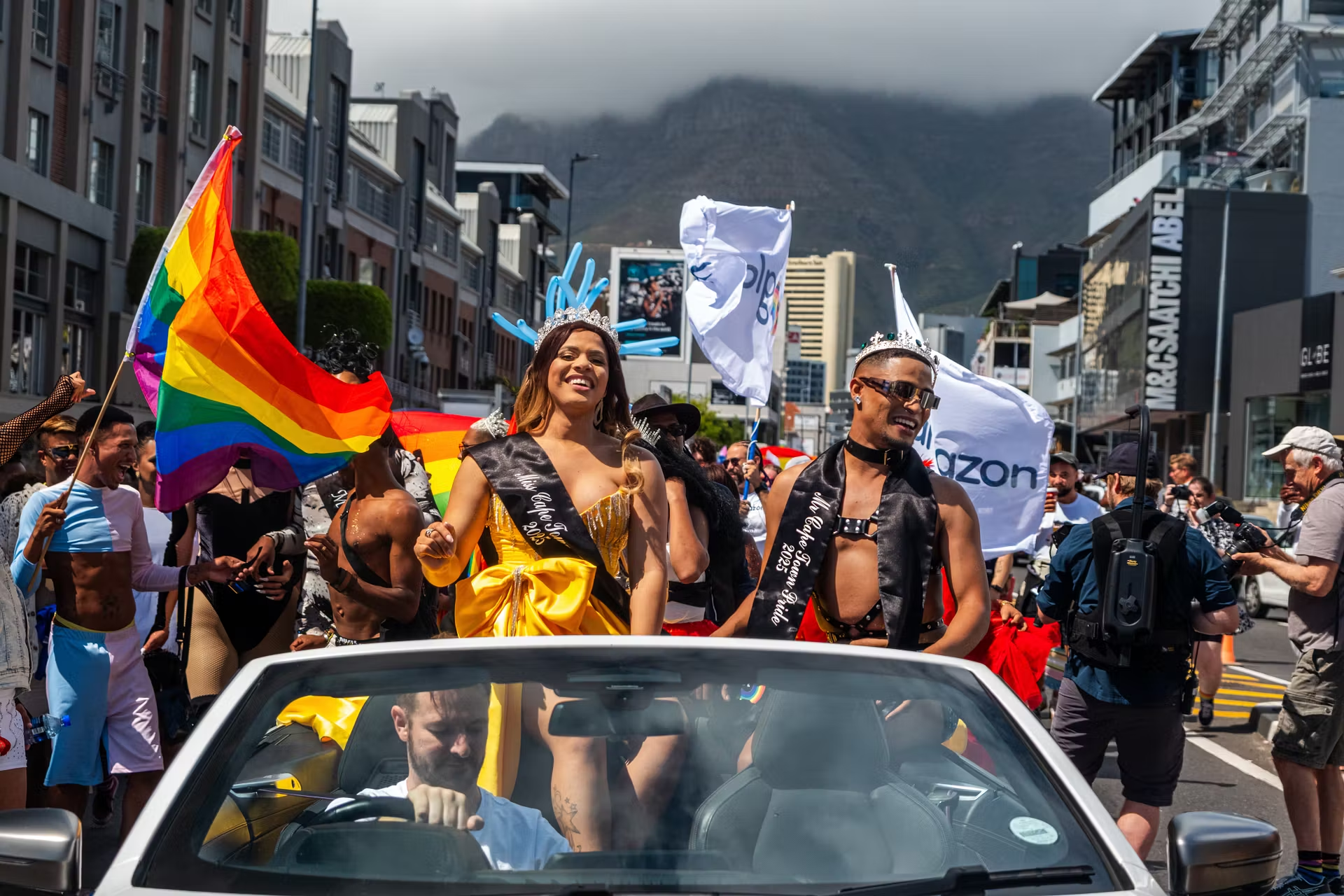
Twenty years later, what I feel most is gratitude.
Gratitude to the activists who fought.
To the judges who insisted.
To the lawmakers who chose courage over comfort.
But also, gratitude for something simpler, and perhaps rarer: that at a defining moment, this country said yes.
Yes, to equality.
Yes, to dignity.
Yes, to us.
And for those of us who lived through that moment, who felt its impact not as theory, but as
life, it will always mean more than a legal reform.



Great article Navin! Such a thoughtful and personal way to share about South Africa’s leadership in this space. Walk tall friend!