
How to Talk Cars with other Bears
Looking to connect with other bears about cars? Sam Gomez shares some of the best ways to talk about them! Check it out below.
There you are enjoying food and drinks with other Bears when the conversation turns to cars, then suddenly, you panic, mostly because you are late with your car payment.
Yes, you don’t really know what an SUV is, even though you think you own one.
Your stepfather owns a sportscar and brags about it, but you don’t know enough about it to share with the table. You aren’t sure if an F-150 is a type of truck, a gun or lube.



No need to panic! Bears are all about honestly so there is no need to fake it, but a little bit of car knowledge can go a long way.
Here are some tips and terms for sounding like you took at least one semester of Auto Shop.
Talk About the Car You Own
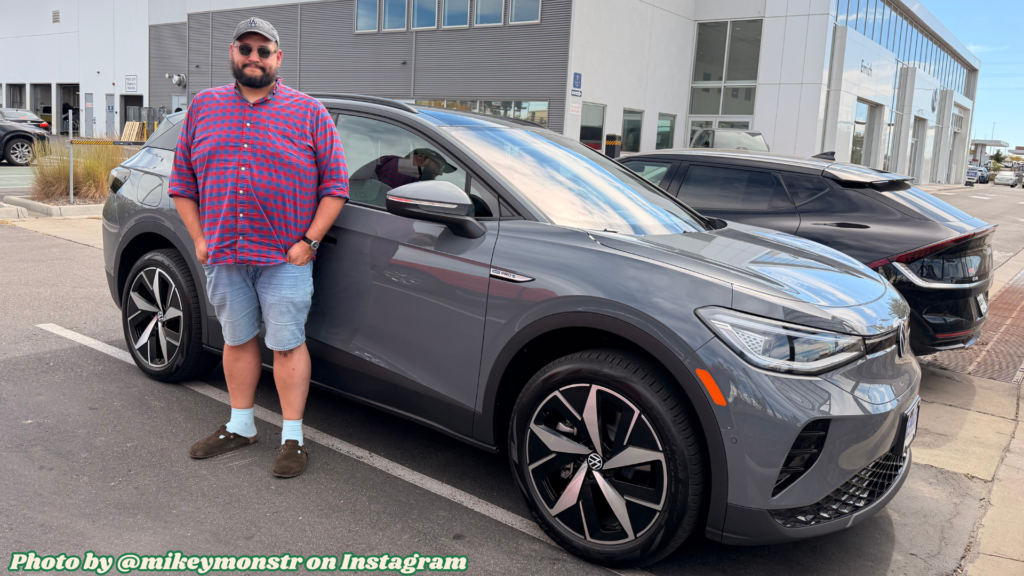
Again, no need to lie or be embarrassed. Talk about the car you drive, even if it is a small, practical car.

Know your car’s make (manufacturer), model (name of the car, like Accord or Impala), as well as its Trim, which is either the base model or a higher-end model that has more stuff on it, like bigger tires or a bigger engine.
Just knowing what your car has is a good place to begin the conversation.
Always Ask Questions
People love to talk about themselves, and with guys, they love to talk about their cars. Don’t be afraid to ask detailed questions about their vehicles.


If they dumped money into their cars or trucks, they will happily tell you all about it. This will keep the dinner conversation going AND you will gain some knowledge as well.
Here are some car terms that many people don’t truly understand, but if you can grasp these, you will be that much smarter than the average Bear.
Horsepower: This term, which is clearly outdated, refers to how powerful an engine is.
It is a unit of measurement, and it dates back to the 1900s when engineers were trying to see if steam engines could be as powerful as a large team of horses.
Most small to average-size cars today have a horsepower, or hp, of anywhere from 100 to 250 horses. More powerful and heavier vehicles have horsepower of 300 all the way up 700 and beyond.
Torque: This is the muscle component of the engine.
Simply, it takes the engine’s power and uses it to turn the gears, transfer that power to the wheels and make the car go where you tell it to go (yes, it’s more scientific than that; let me know if you’d like me to discuss further).
Torque is measured in pound/feet, and again, it’s involved, but know that torque is the complement to horsepower when measuring how strong your car’s engine is.
Zero to 60: You often hear how a car can go from 0 to 60 miles in so-many seconds, and somehow that’s supposed to impress the average car buyer.
That data is great for sales but for most drivers, it is effectively useless. Try going from 0-60 on the highway by flooring it and see how quickly the cops are right behind you.
Short bed, Long bed, Crew Cab: There are all kinds of terms you need to know when buying a truck. Here are some basics:
Beds of Trucks come in three sizes: Short (5.5 feet), Standard (6.5), and Long (8 feet).
A Crew Cab means the truck has four doors, can usually carry five Bears comfortably and will most likely have a short bed (but not always).
Before you buy, seriously ask yourself if you really need a truck and can you properly house it. I mean that.
Turbo: Without going all Big Bang Theory on you, a turbocharged engine uses hot exhaust gases that would otherwise leave the engine and reuses them to add more umph to the engine’s power.
This in turn creates more horsepower and better gas mileage. Many car brands offer turbos as standard because they are great engines, and they have also become more environmentally friendly over the years.
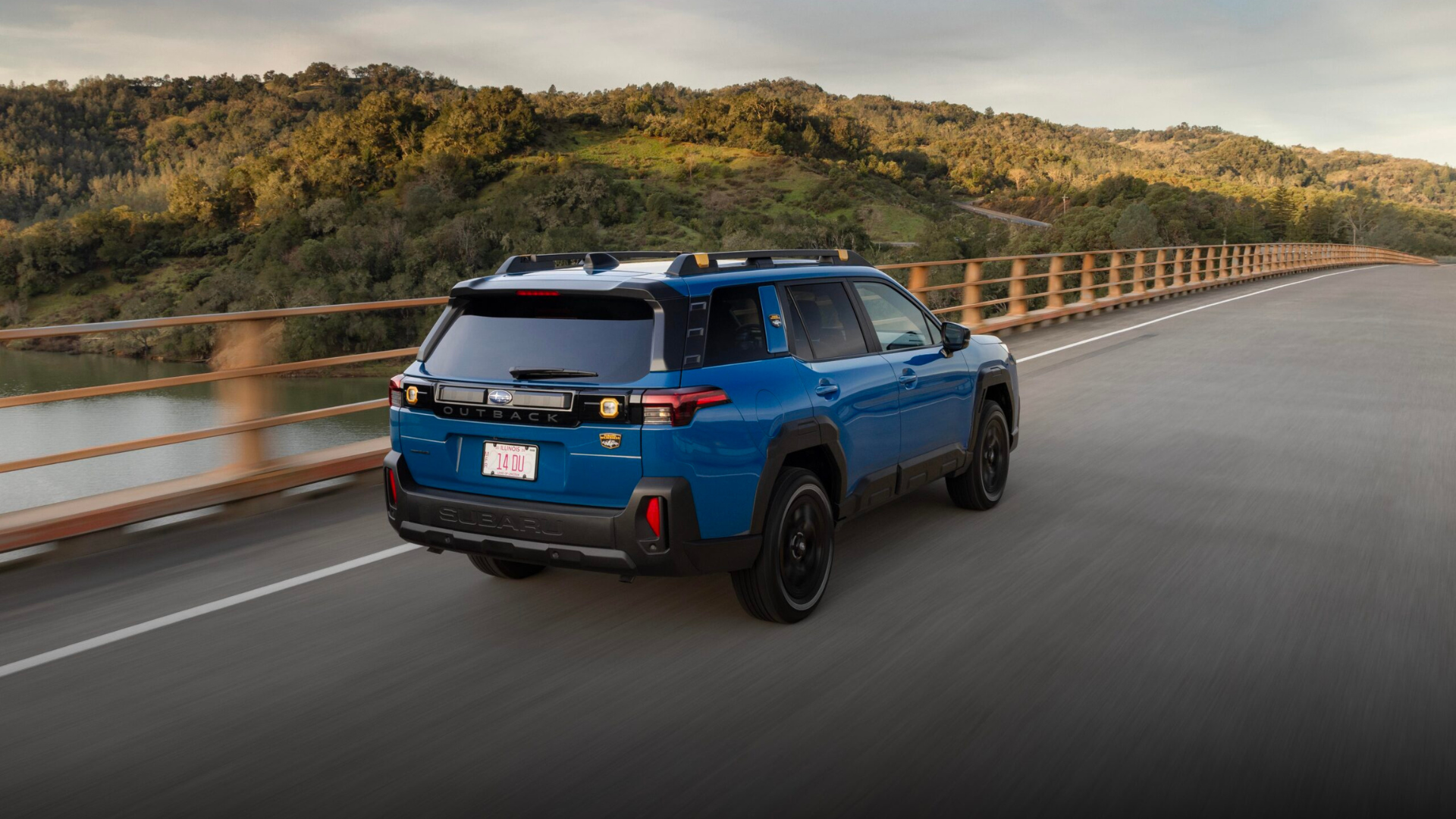
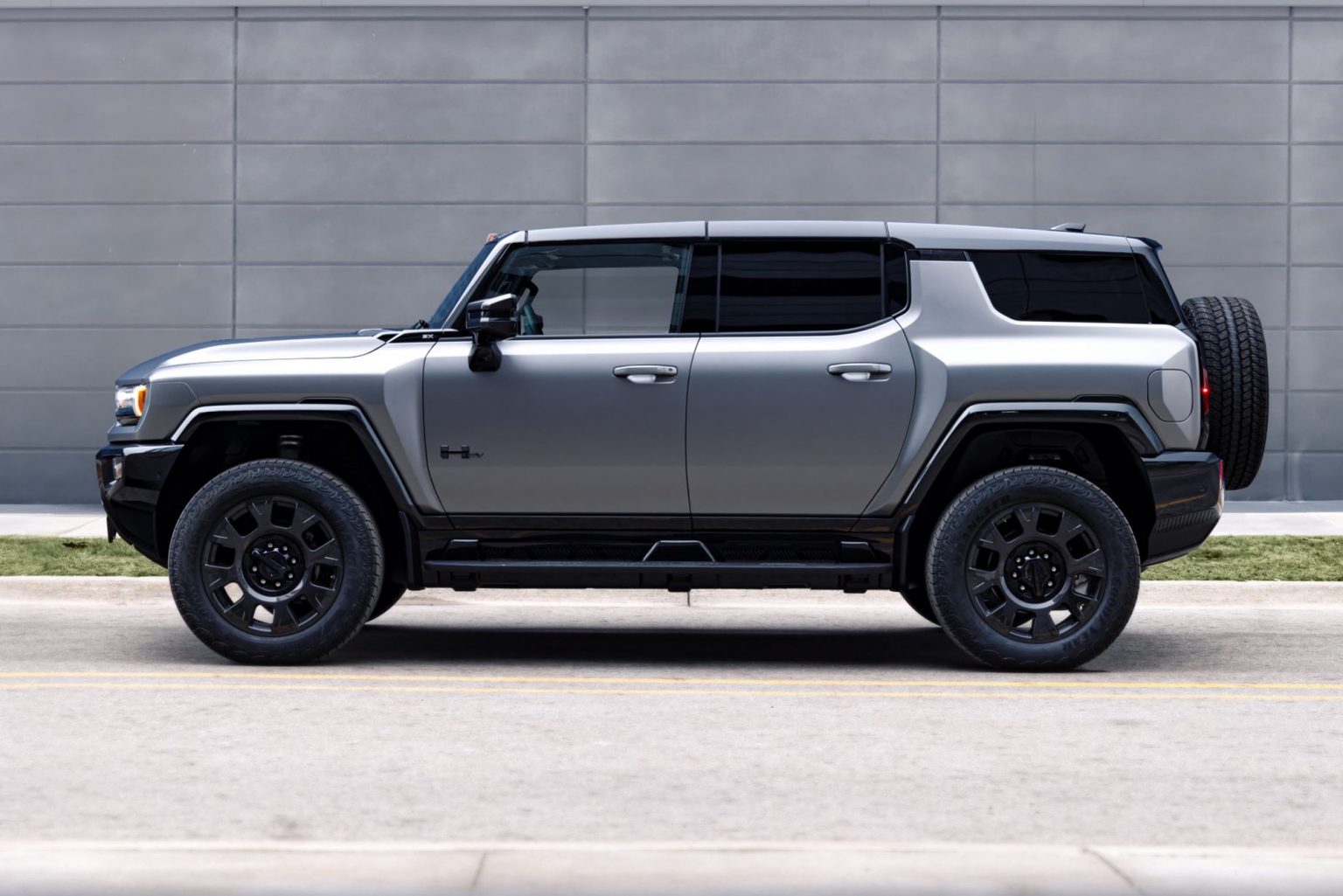
Sedan or Coupe? Simply put, a four-door vehicle is known as a sedan, and a two-door vehicle is known as a coupe, while a taller, more all-terrain vehicle is known as a Sport Utility Vehicle.
Most cars now have four doors; as Bears, I would recommend you steer clear of coupes unless it is a sportscar and it will be your occasional vehicle.
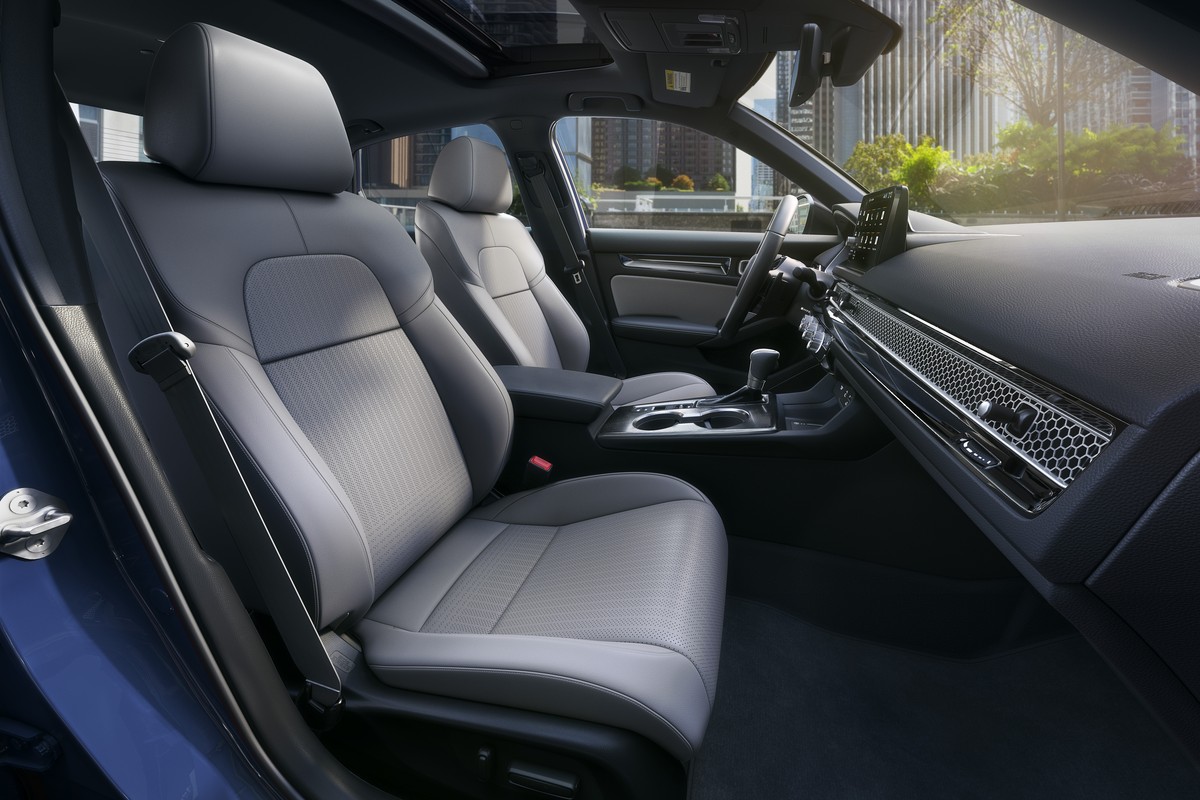
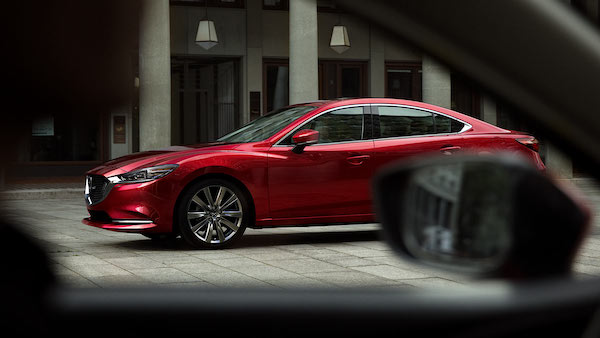
Inline-4 or V6? Most engines have either four cylinders or six, and these are the components that create the energy in a gas engine to make the car go forward.
Most cars and even some trucks have only four cylinders (pistons) and those are usually aligned four in a row, thus called an Inline-4 engine (also known as a Slant-4 or a Straight-4).
A V6 engine has, of course, six cylinders and is often shaped in the form of a ‘V’ so it takes up less space under the hood. The more cylinders, the more power.
These are just a few terms to hopefully get you interested in what’s going on under the hood of your car. Again, no need to lie or pretend.
Talk about your car, or your father’s muscle car. Or your last Bear Event, especially if it was Key West Bear Weekend.
Your sincerity and lust for knowledge are what makes you attractive. Throw in a little elbow grease and a few chest hairs popping from a mechanics jumpsuit – and now it’s time for Bear Talk Soup.


That was informative and fun. Thanks for the belly laugh!
That’s what we try to do here: Be informative, have fun and have a laugh or two on occasion. Thanks for reading.