
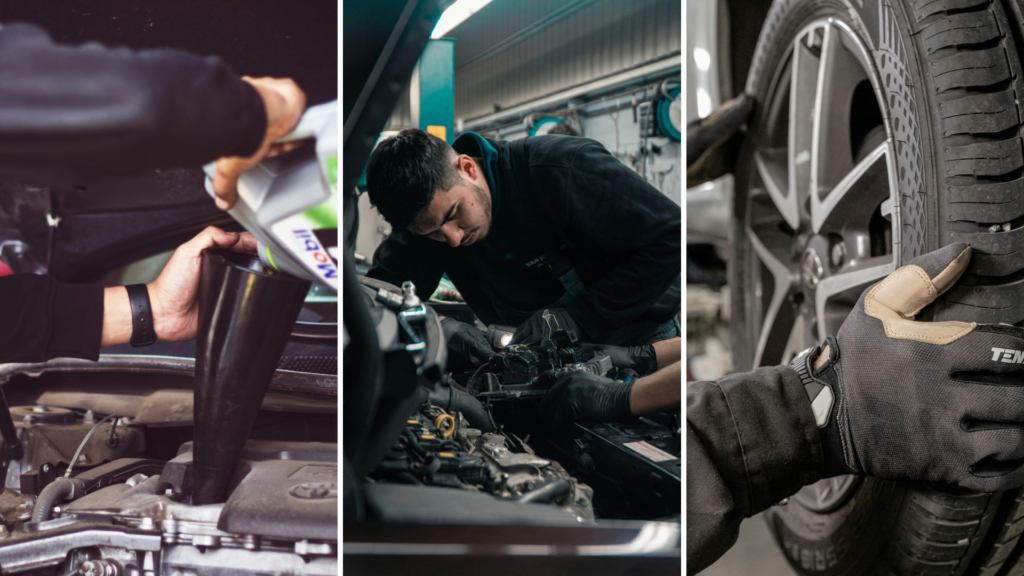
How often to change your oil, tires, and other important car maintenance stuff
Our staff writer Sam Gomez gives important car maintenance tips like how often to change your oil, tires, and more! Check it out below.
I was going to talk about essential tools to keep in your car so you can do some quicky car maintenance on the road in case of an emergency.
But I decided against it.
Anymore, everything under the hood is so complicated that you need a mechanic just to remove the battery.



So instead, let’s talk about regular car maintenance that should not be ignored.

Windshield Wipers: These babies wear down much more easily than you think. One good snowstorm or pelting rain can easily ruin the wiper blades and possibly the wiper arms, so this is important for regular car maintenance.

Some experts recommend that you change your blades every 6 to 12 months. That can get pricey. If you check your wipers at least once a month, I feel you can go at least a year, maybe two, before you have to buy a new set (don’t forget the rear window).
Generally, the wipers clip on and off, but don’t try to be overtly butch: find a mechanic friend to change the blades for you and then offer to buy him dinner. Better yet, have a professional mechanic do it.
Wiper Fluid: Don’t forget to check your wiper fluid at least once a month, especially after you have driven through a storm. This is a fluid you can easily top-off as needed.


Depending on where you live, I would get a standard de-icing blend, which won’t freeze until you hit 20-degrees-below Fahrenheit, or 29-below Celsius. A summer/all-season blend contains a bug cleaner but will start to freeze at 32 degrees Fahrenheit, or 0 Celsius.
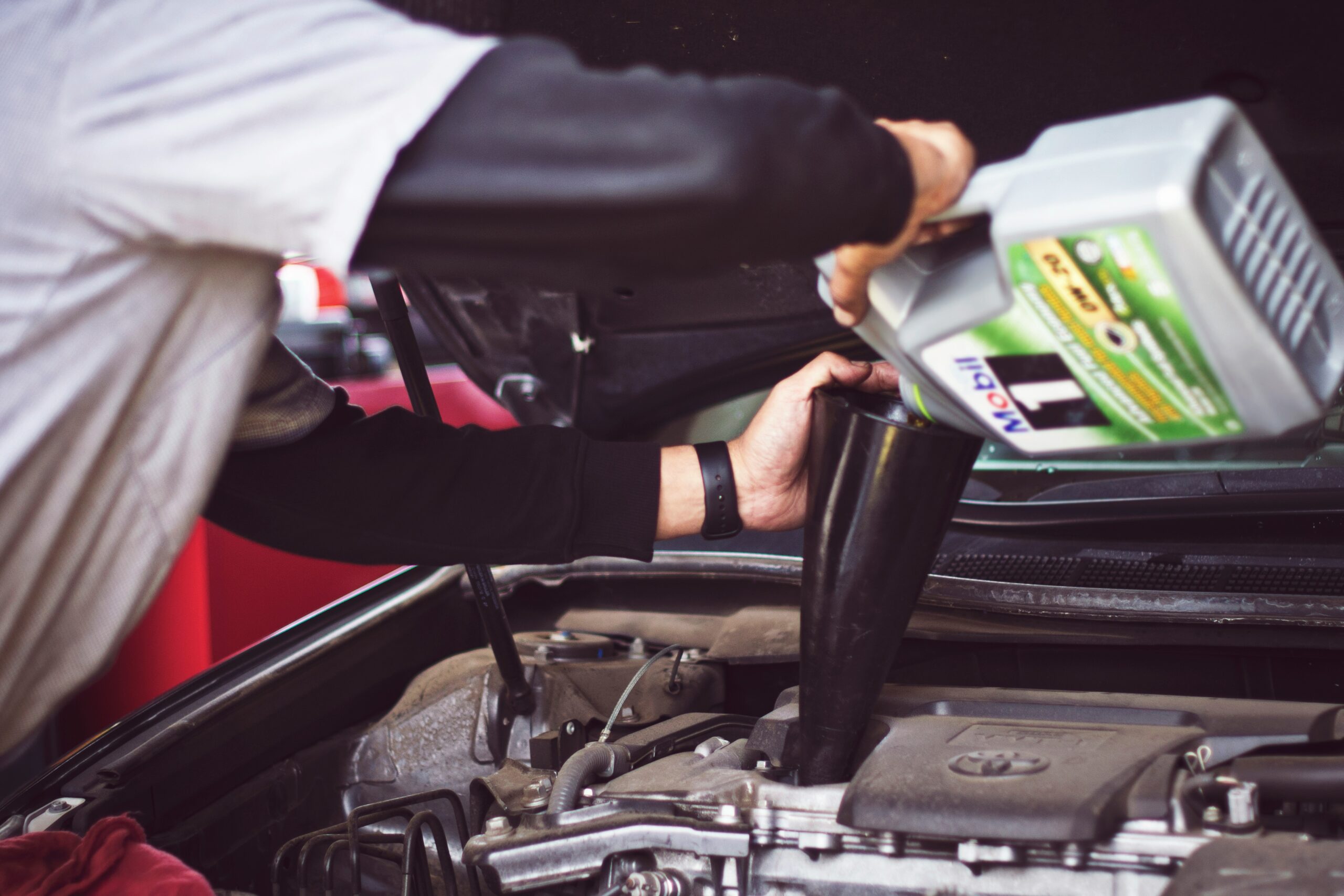
Motor Oil: Oil-change intervals aren’t quite as simple as they used to be. The right schedule depends on the vehicle, the type of oil and your driving habits. Rather than sticking to the old 3,000-mile rule, check your owner’s manual or oil-life monitor, especially if you spend a lot of time in stop-and-go traffic.
And here’s something drivers often overlook: changing your oil and checking its level are two different things. Some engines consume oil between services, and waiting for the next scheduled change can leave you running low. A quick engine oil check once a month, or before a long drive, can help catch the problem early. Depending on the vehicle, you’ll use either a traditional dipstick or an electronic oil-level display.
I recommend you go see a professional mechanic who can check out everything!
You should ask for what’s known as a Lube-Oil-Filer (LOF, as written on your receipt).
This will include a check, change or topper of all fluids, change of filters (like the air filter) and lubrication of your ball joints and U-joints to keep you from squeaking.
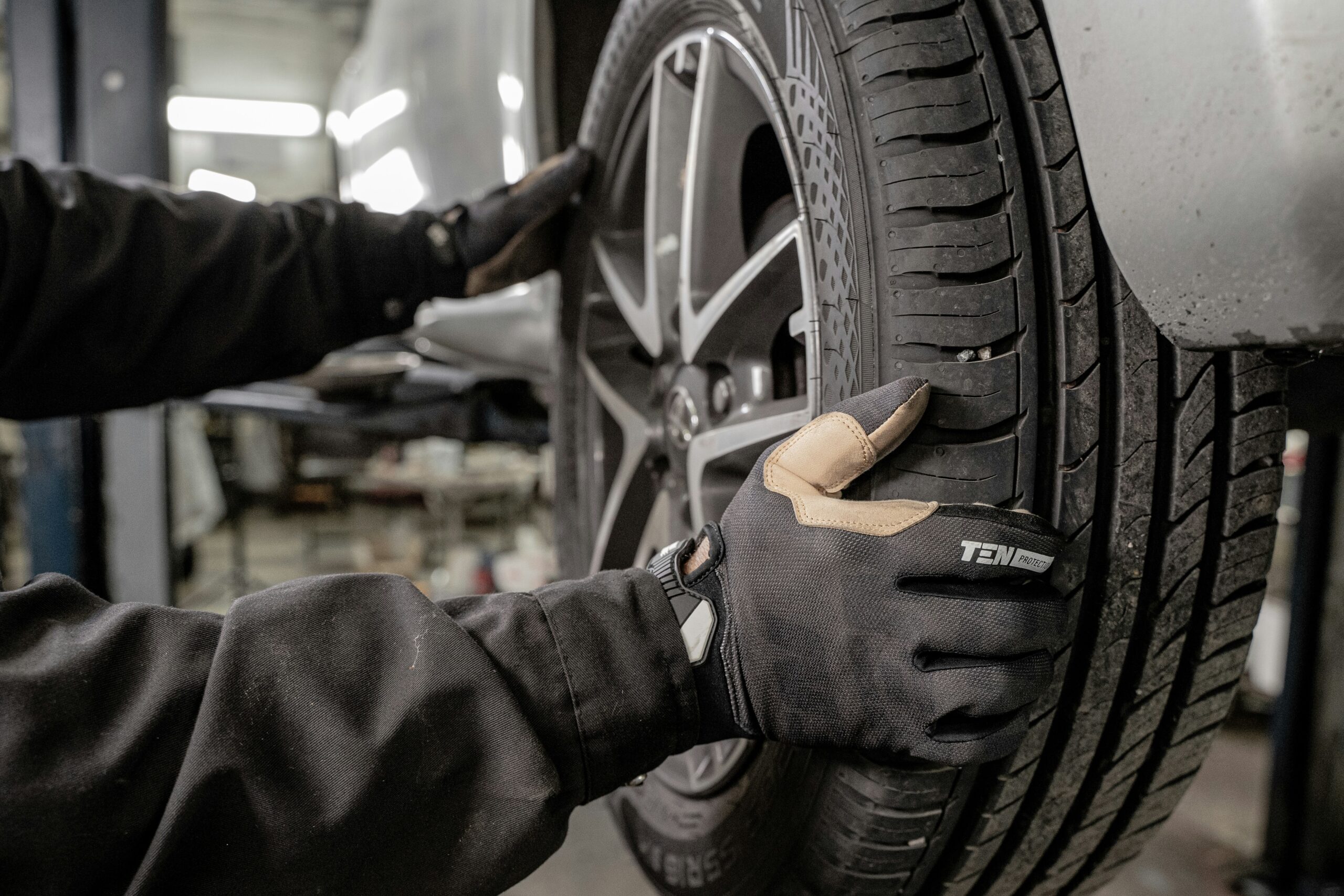
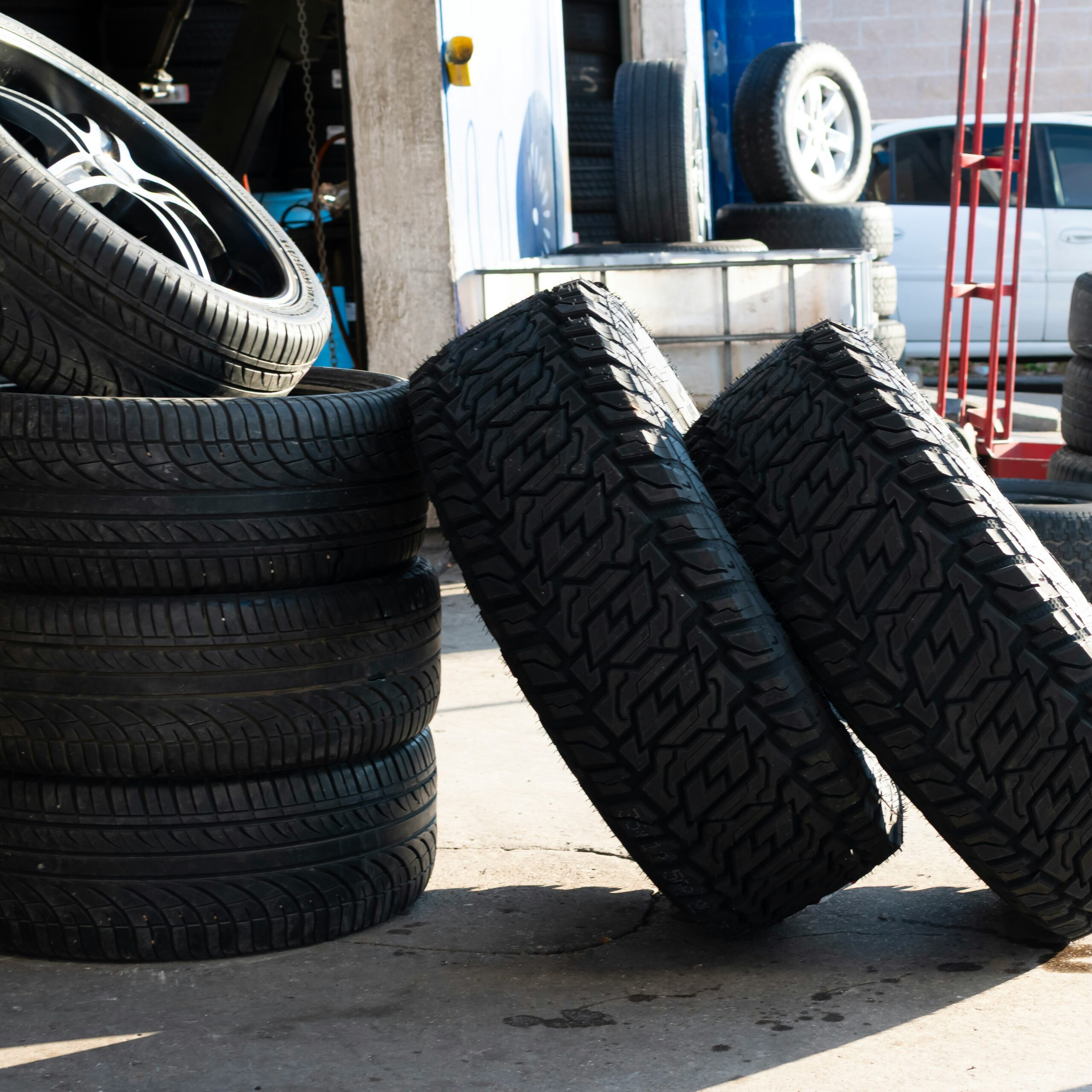
Tires: Tire replacement isn’t determined by mileage alone. Age, tread depth, visible damage and uneven wear all matter. Rubber can deteriorate even when a vehicle is rarely driven, so it’s worth checking the tires regularly rather than waiting for a particular mileage milestone.
I cannot overstate this because this is a matter of life and death. This is one of the most important things for car maintenance.
A blown tire while driving can cause a serious accident more powerful than if you were hit by a semi.
For a quick tread check, insert a penny into the groove with Lincoln’s head pointing downward. If you can see the top of his head, the tread has reached approximately 2/32 of an inch, the minimum legal depth in many US states. The NHTSA’s tire safety guidance also recommends checking tire pressure and inspecting the tread for damage at least once a month.
Do not put this off, borrow money if you have to – and make sure you are always buying brand-new tires (I am personally very fearful of ‘retreads’).
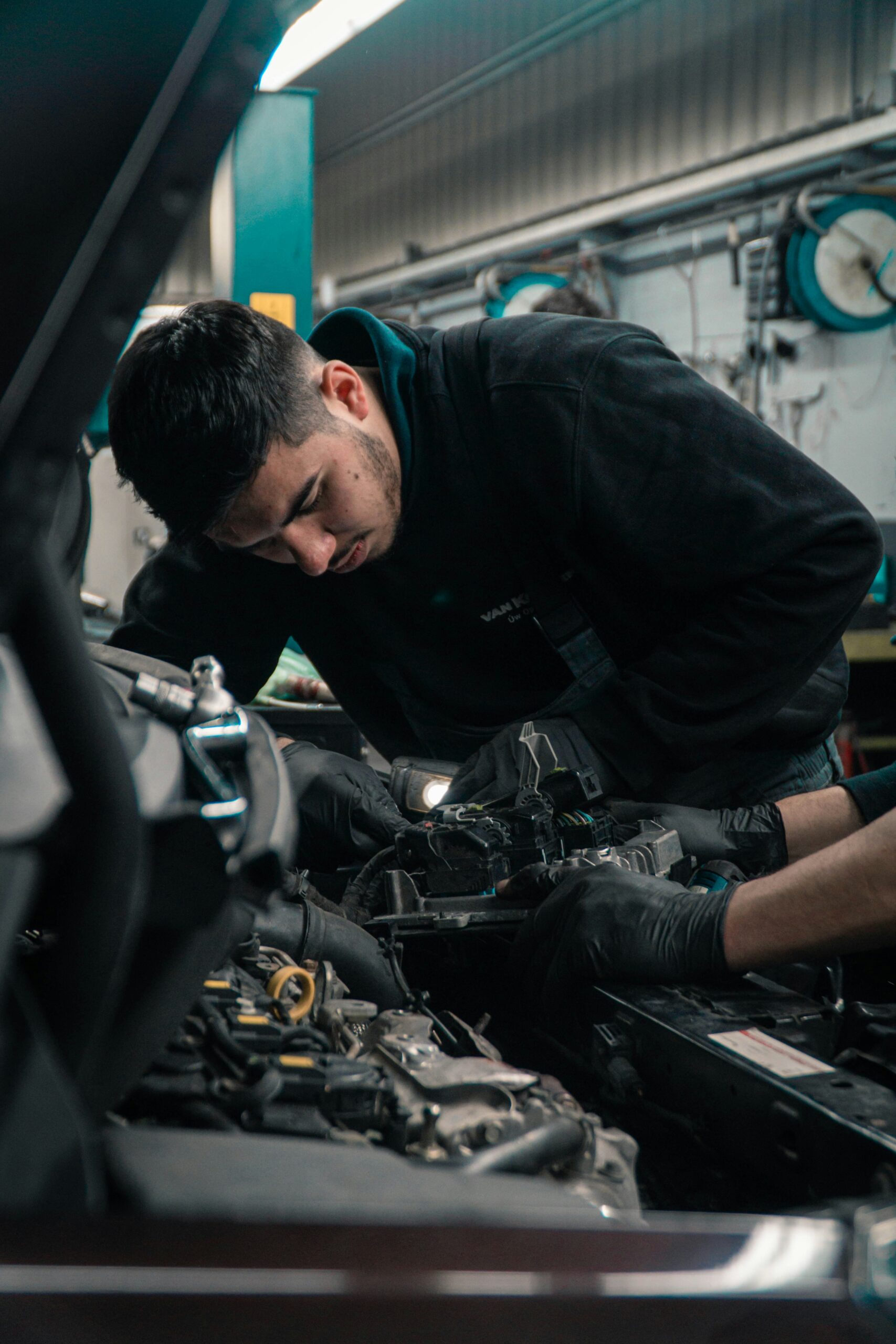
The point is: Get regular car maintenance on your vehicle.
While you may be able to put off many home repairs and the building will still stand, putting off car repairs puts you and everyone on the road in danger.
Also:
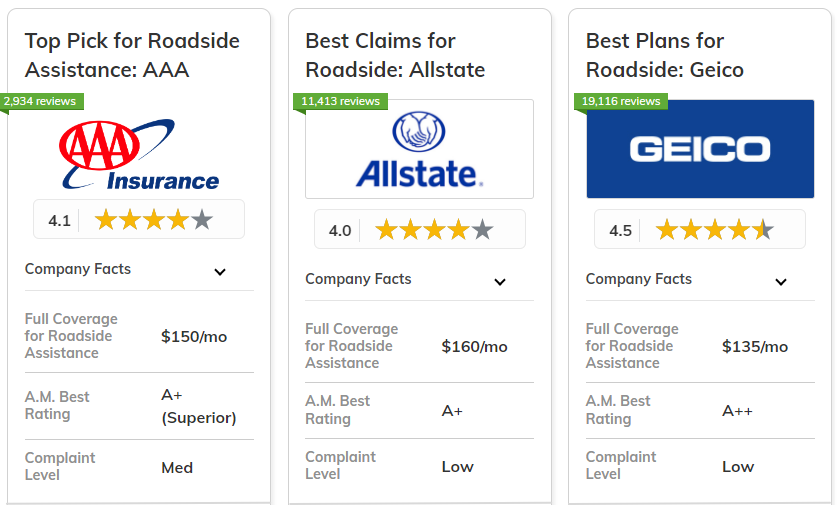
Buy a Roadside Assistance Plan: First, check your insurance policy to see what they offer when it comes to towing, and make sure you keep their card with their 24-hour phone numbers in your wallet.
I still would recommend having a supplement ‘policy’, the most famous one being AAA (or Triple AAA) here in colonies. (The equivalent in Great Britain is AA, or Automobile Association.)
This supplemental membership will pay for itself the first time you need a tow or roadside assistance because your car died somewhere.
Also, if you are with someone in their car and it has mechanical issues, you can use your membership to get help for them.
This is by no means a complete list!
Yet much like the Love of Your Life for whom you worked so hard to catch and adore, he too needs regular maintenance and should not be ignored. When you don’t pay attention and let him get rusty and broken, bad things await.
Don’t let that fork in the road lead to a cliff where both you and your beauty go crashing into the great beyond just because you could not be bothered.
Thanks to my husband Paul and my good friend Bob from northern Missouri, who has been around cars for 65 years, both of whom helped me tremendously with this article.

