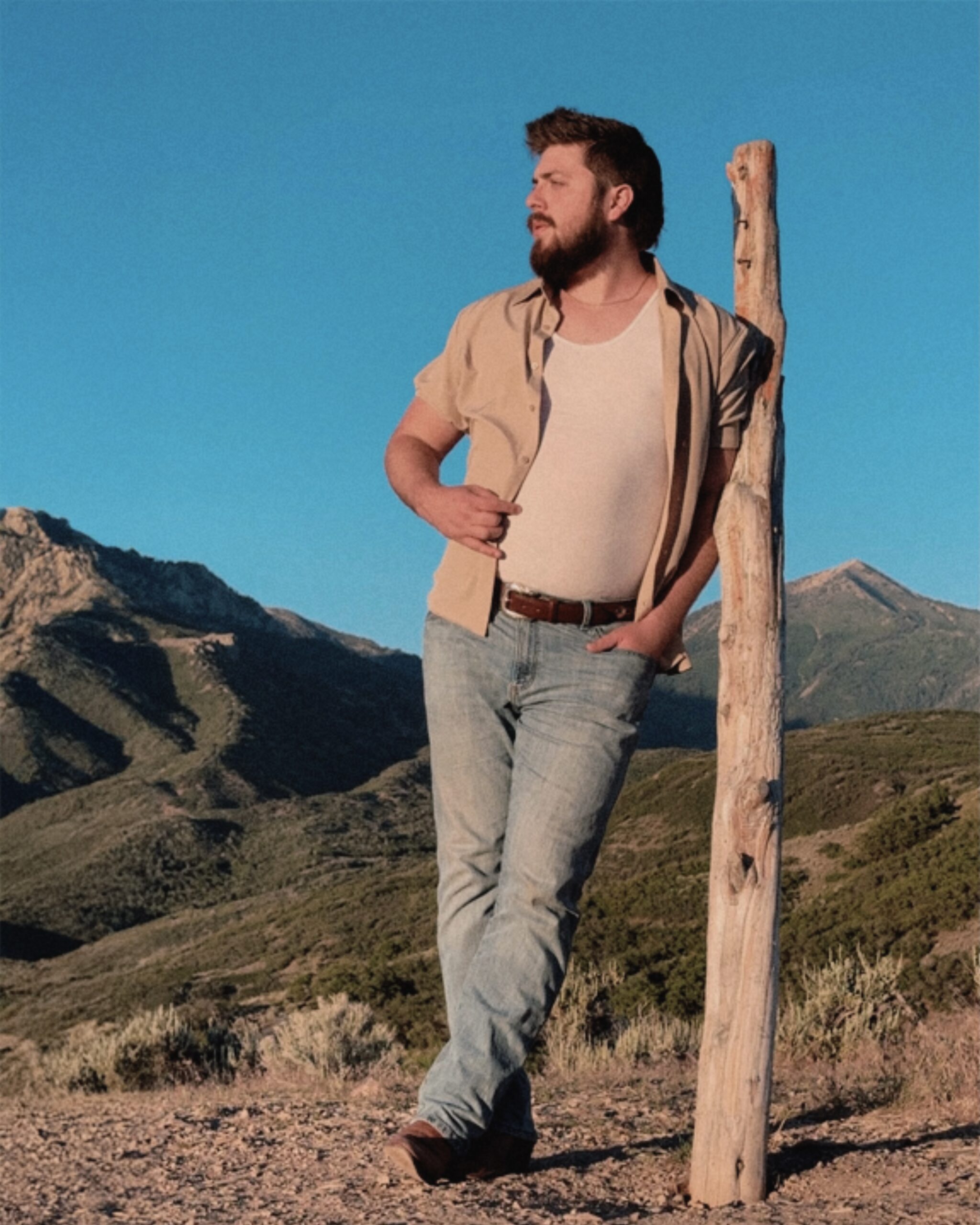
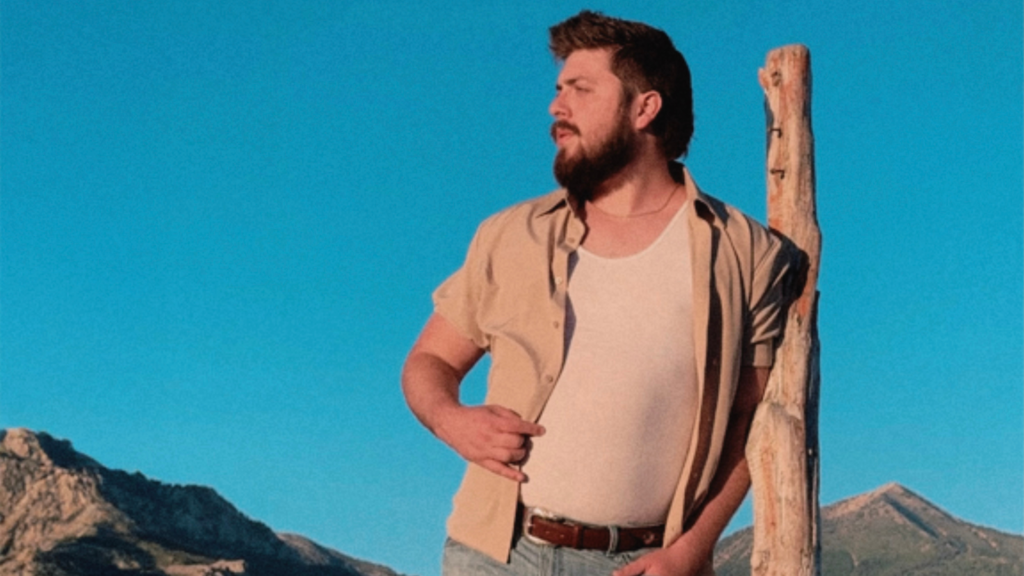
A chat with singer-songwriter Spencer Sanders about his latest album, creative process, and what’s next
Get to know Spencer Sanders, the cubby singer-songwriter weaving his life experiences through original music!
Spencer Sanders is no stranger to pouring his heart into a track and putting it out for the world to hear. This handsome singer-songwriter has been sharing his stories for years through the music that he creates across the United States on stages by himself as well as with a full band.
His music blends introspective and reflective lyrics from direct and metaphorical standpoints atop instrumentals that combine folk, pop, and Americana in a brilliantly unique way. After listening to just one of his tracks, you’ll find yourself immediately immersed into the soundscapes he creates.
If a mix of intimate and powerful vocal deliveries combined with lyrics that make you feel something is your thing, Spencer Sanders has got you covered. He also carries distinctive inflections in his vocals around certain lyrics that make his music quite magnetic if I do say so myself.


He recently release Almanac Unabridged, a deluxe album that compiles his previous works throughout the last several years titled Almanac: Volume 1, 2, & Footnotes. This 21 song album is not only a true labor of love and dedication to his craft, but also a metaphorical almanac that helped guide him through the changing seasons and weather within his life.
Listening to the album from start to finish is how it’s intended and best enjoyed by the listener, but if I had to pick 3 personal favorites, I’d go with “Rust,” “Paradise Found,” and “Iced Moonshine” to experience just a glimpse into the emotions Spencer has captured within his music. There really is something for everyone on this album, so it’s probably best to give it a listen all the way through and pick your own personal favorites from there!

I had the privilege and honor of interviewing the creative mastermind himself about the album, what inspires him, his songwriting process, and so much more, so check it out below!
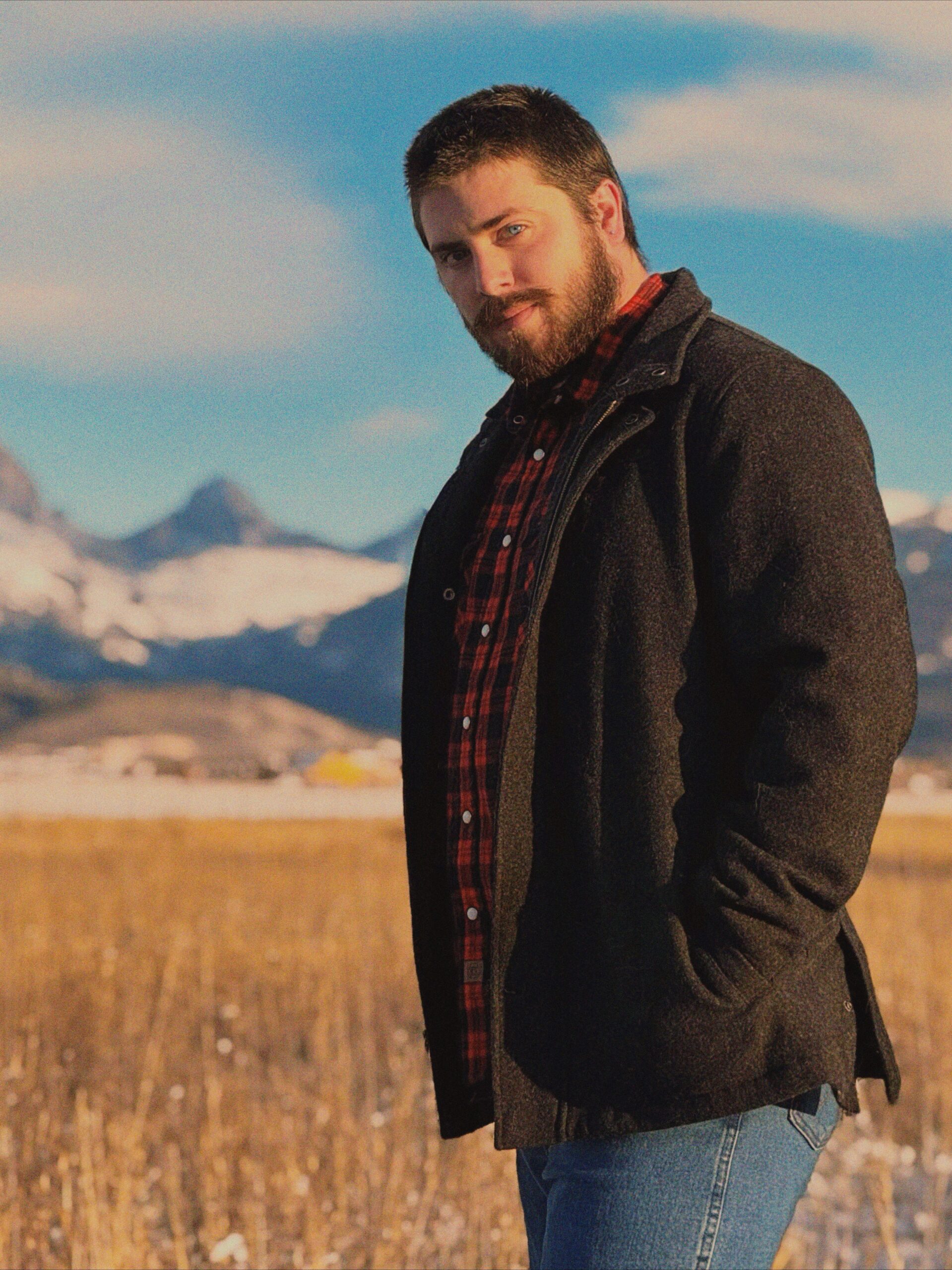
Bryce Quartz: Hey there, Spencer, thanks for taking the time to speak with me today! I know you just got back from Lazy Bear Week out in California and hope you had a great time, I’ve heard nothing but great things about that event. How was your vacation and how have you been feeling overall lately?
Spencer Sanders: I was a Lazy Bear virgin, and let’s just say… now I’m not. It was gay summer camp in the redwoods with the volume turned up… Lots of beautiful scenery, questionable decisions, and an astonishing number of hairy men in very little clothing. Spiritually restorative.


I also got to launch the final movement of Almanac at a hot-tub party, which feels appropriately dramatic. This entire project began with me emotionally drowning, so ending it half-naked in hot water surrounded by bears felt almost mythologically correct.
Overall, I’m feeling good. Tired, grateful, and slightly bewildered. I’ve spent the last few years turning some very tumultuous experiences into music, and now that the whole story is finally out in the world, I feel lighter.
I’m beginning to remember that life can be something you participate in rather than merely promote!
Bryce: Wait, I’m obsessed with this full circle moment that brought you to a hot tub surrounded by bears… “Mythologically correct” made me laugh out loud just now! Beyond that, I am glad you feel lighter after being able to close this creative chapter, I totally get that.
I’d like to get some background on you for our readers. Where are you from, how long have you been making music, and what initially inspired you to become a musician?
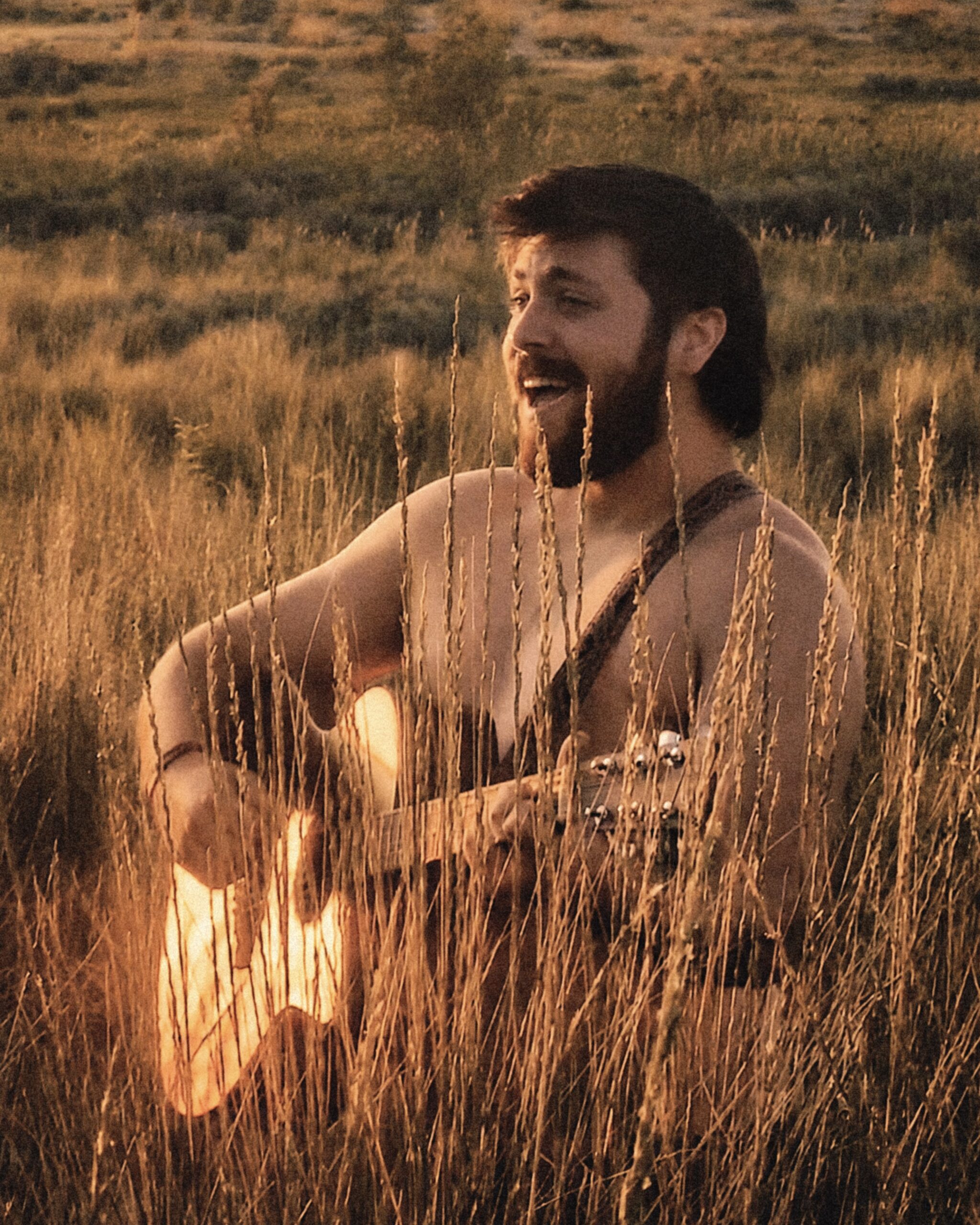
Spencer: I was born in Boston, but I’ve belonged to a strange little collection of places: Carmel, California; Sugar City, Idaho; Heber City, Utah; Yellowstone, Wyoming; and eventually Salt Lake City. So I usually say I’m from the mountains, or, more accurately, from several small towns and one overly-complicated religious ecosystem.
Music has always been part of my life. I grew up singing and playing piano, but I didn’t begin seriously writing, recording, and releasing my own work until the pandemic. For a long time, I was far more comfortable interpreting other people’s songs than admitting I had something of my own to say (musical theater gay).
Actually, the first real spark came when my sister wrote a song. Something in me immediately thought, “Wait, we’re allowed to do that?” Motivated by some healthy sibling rivalry, I started experimenting, albeit badly and privately, and I discovered songwriting gave me somewhere to put everything I couldn’t yet say aloud.
I was closeted, deeply Mormon, and full of feelings that had nowhere socially acceptable to go. The songs became little trapdoors out of that life. Eventually, I stopped treating music like a secret and started building a career around it. Very inconvenient. Very expensive. Completely worth it.
Bryce: We have an insane amount in common that you just shocked me a little bit… My sister also wrote music when I was kid and that inspired me to write lyrics and poetry, I grew up in a deeply religious Southern Baptist household, and writing did a lot of the talking for me… Also, very inconvenient and expensive career choice. Relatable hahaha I see you, Spencer.
Let me ask you this. Every artist in history is typically influenced by who and what came before them, myself included. What would you say some of your inspirations are that influence your sound today?
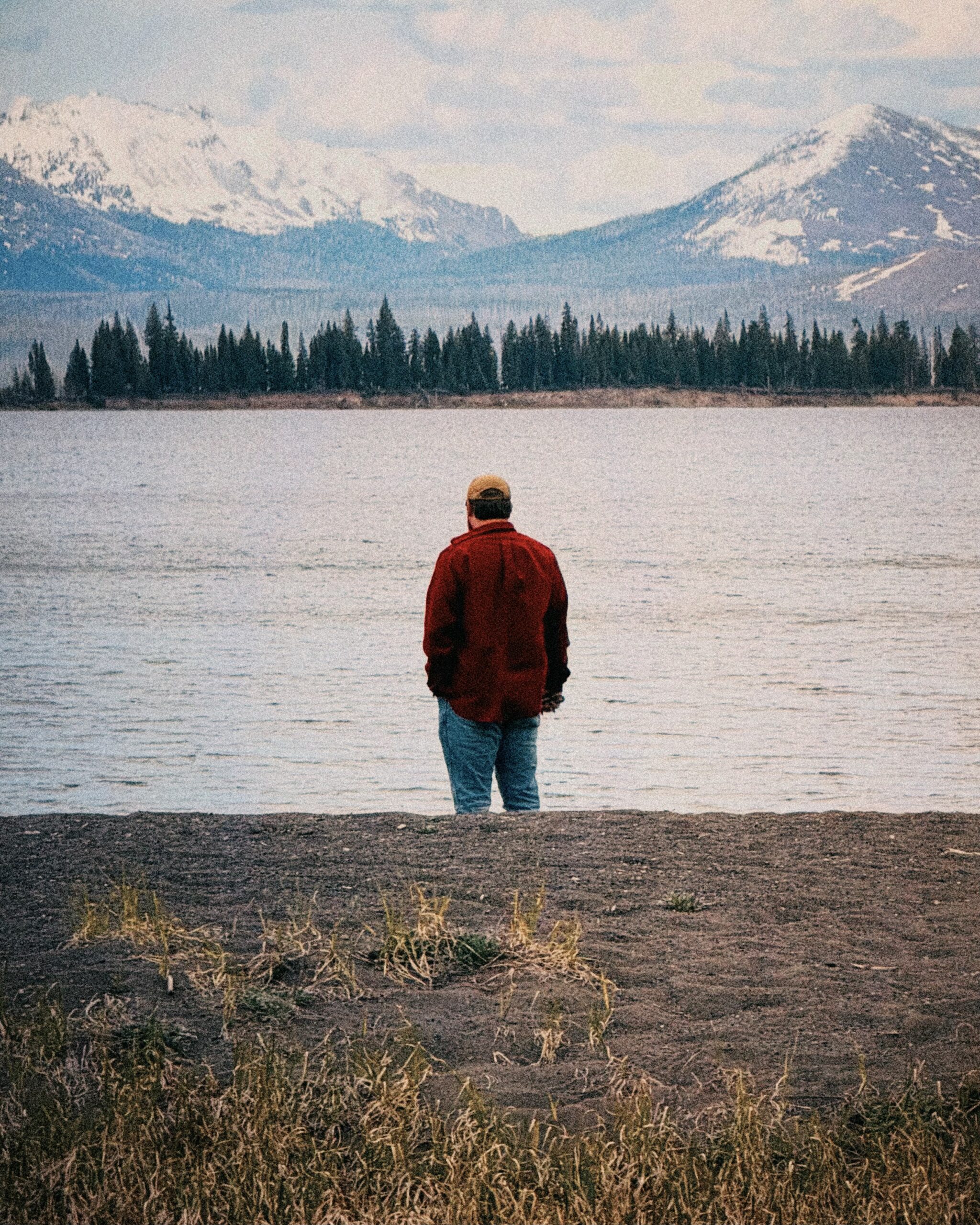
Spencer: A lot of my inspiration comes from landscapes rather than specific musicians. Mountains, sagebrush, summer storms, coastal highways, church stained-glass, campfires, brokenhearted war letters, handsome dads at Tractor Supply Co…. the kinds of places where beauty and loneliness seem to be having an affair.
Musically, I’m drawn to the storytelling instincts of country and folk, the dirt and muscle of rock, the emotional architecture of cinematic scores, and the shameless theatricality of musical theater. I spent years in church learning how music can make people feel something larger than themselves.
I may have stepped away from the theology, but I brought the chord progressions with me. I’m also inspired by queer people making art in places where queerness isn’t always treated as ordinary. There’s a particular tension in that experience: softness surviving in a culture obsessed with hardness, desired growing where it was told not to, hope behaving like a weed… That tension lives in almost everything I write.
Bryce: Eloquently spoken, I wouldn’t expect anything less from a talented musician of your caliber. I can definitely feel the inspiration of landscapes in your music now that I think about it, and I find that really beautiful.
Speaking of your music, you are quite an amazing singer-songwriter that uses acoustically driven instrumentals to deliver the perfect mix of folk, rock, and indie sound to every track you make. How would you describe your music to those who’ve never heard anything from you before and where should they start in your discography?
Spencer: I usually call it queer folk rock, secular Americana, or dramatic gay delusion pop. It really depends on how many syllables I’m willing to spend. The songs are acoustically grounded, but they can grow into something much larger with the combination of electric guitars, stacked harmonies, drums, and the occasional orchestral avalanche.
I love music that feels intimate enough to whisper beside a campfire but expansive enough to fill a theatre. Lyrically, I write about queer love, complicated faith, betrayal scars, surviving power imbalances, familial bonds, small town syndrome, and the exhausting human desire to be known completely without being destroyed in the process. You know, light entertainment.
For a first listen, I’d start with “Rust.” That song contains so much of the emotional and sonic DNA of the project: beauty, anger, poetry, and a little grit beneath the fingernails. Then I’d listen to “Healing” for my soulful mix of electric guitar and orchestration, “Almanac” for the thesis statement, “Reaper” for post-survival revelry, and “Holding The Man” if you’d like to watch two gay cowboys kiss by the campfire.
I mean, you could also just listen to Almanac Unabridged from beginning to end. I made it as a complete narrative, and I’m needy enough to want people to experience the full arc. Got an hour and a half of your life to spare?
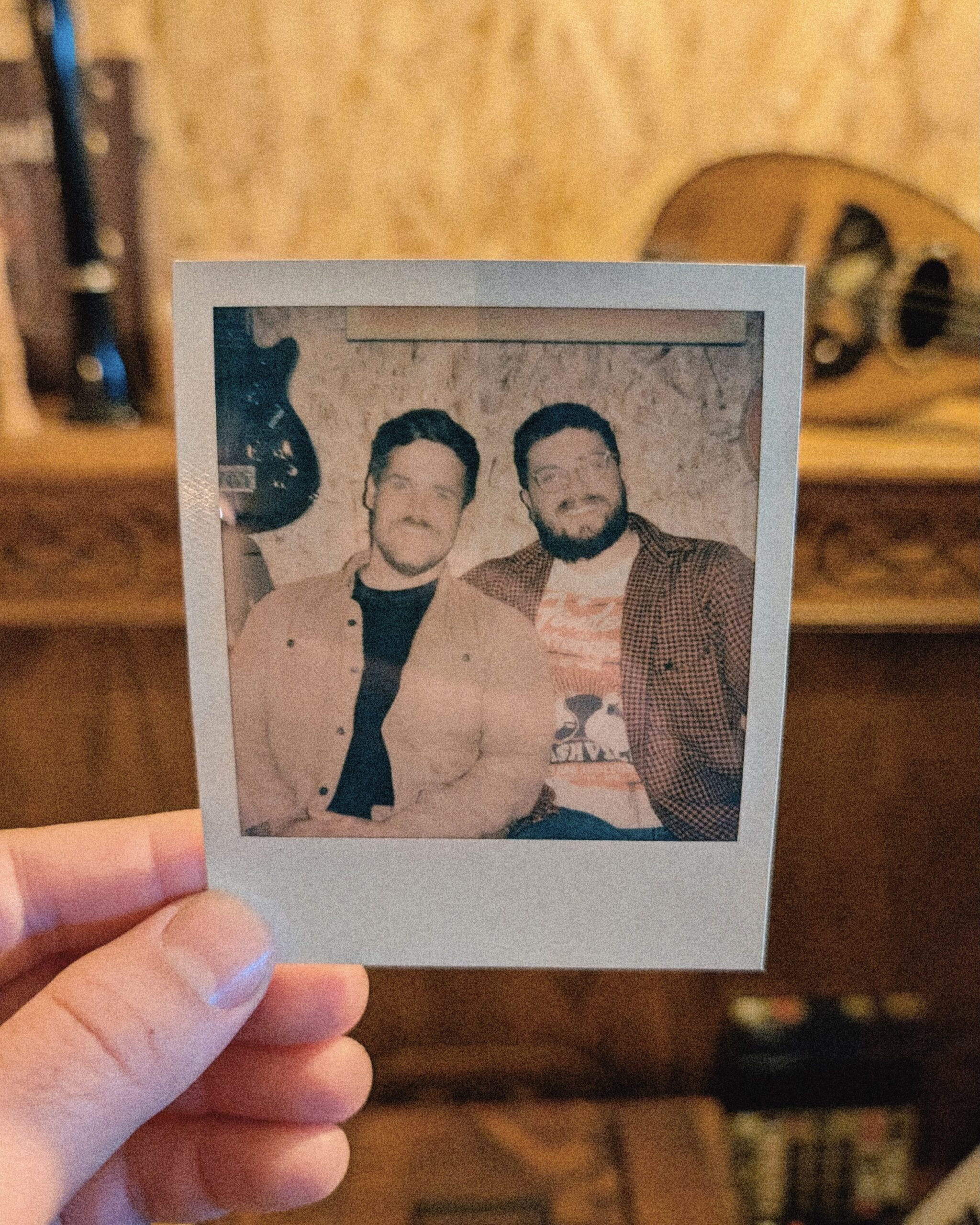
Bryce: Making an album listenable narratively and sonically from start to finish makes it a true piece of art to be appreciated and valued long term. You should really be proud of that, because it’s certainly not easy to do, nor is it cheap!
Since we’re on the topic of your album, you recently released Almanac Unabridged, a deluxe album that compiles your previous works Almanac: Volume 1, 2, & Footnotes. I am obsessed with how you’ve catalogued and titled your bodies of work for the last few years as chapters in your life, and each track really speaks to that theme. What kickstarted the journey for the creation of the era of Almanac?
Spencer: Almanac began before I knew I was making an album. I was simply writing songs to navigate individual storms, but mostly the frightening process of building a life that actually belongs to me.
Eventually, I looked at the songs together and realized they were all weather reports. An almanac is an attempt to study patterns, or rather to look at what has happened before and use it to prepare for what might come next. That felt like the perfect framework for these songs.
They aren’t a clean autobiography, but they document the emotional climate of several transformative years. The project grew in movements. Volume 1 was the initial fracture: betrayal, longing, and the first attempts at freedom. Volume 2 widened the lens toward family, spirituality, protest, and healing.
Then (because I’m insufferably long-winded) Footnotes reopened the book and added the stories scribbled into the margins. The collaborations, alternate perspectives, goodbyes, and final revelations that changed how I understood everything preceding them.
With Almanac Unabridged, all 21 songs finally exist as one complete book. Every storm is accounted for. Every body is buried. A few have been lovingly exhumed for duets.
Bryce: The brain you have as an artist is truly immaculate. I adore the way you’ve created this album and honestly feel inspired by you artistically.
Tickle my fancy and inspire me a little bit more: as a songwriter myself, this is one of my favorite questions to ask all musicians that I interview. What does a typical songwriting session look like for you from start to finish?
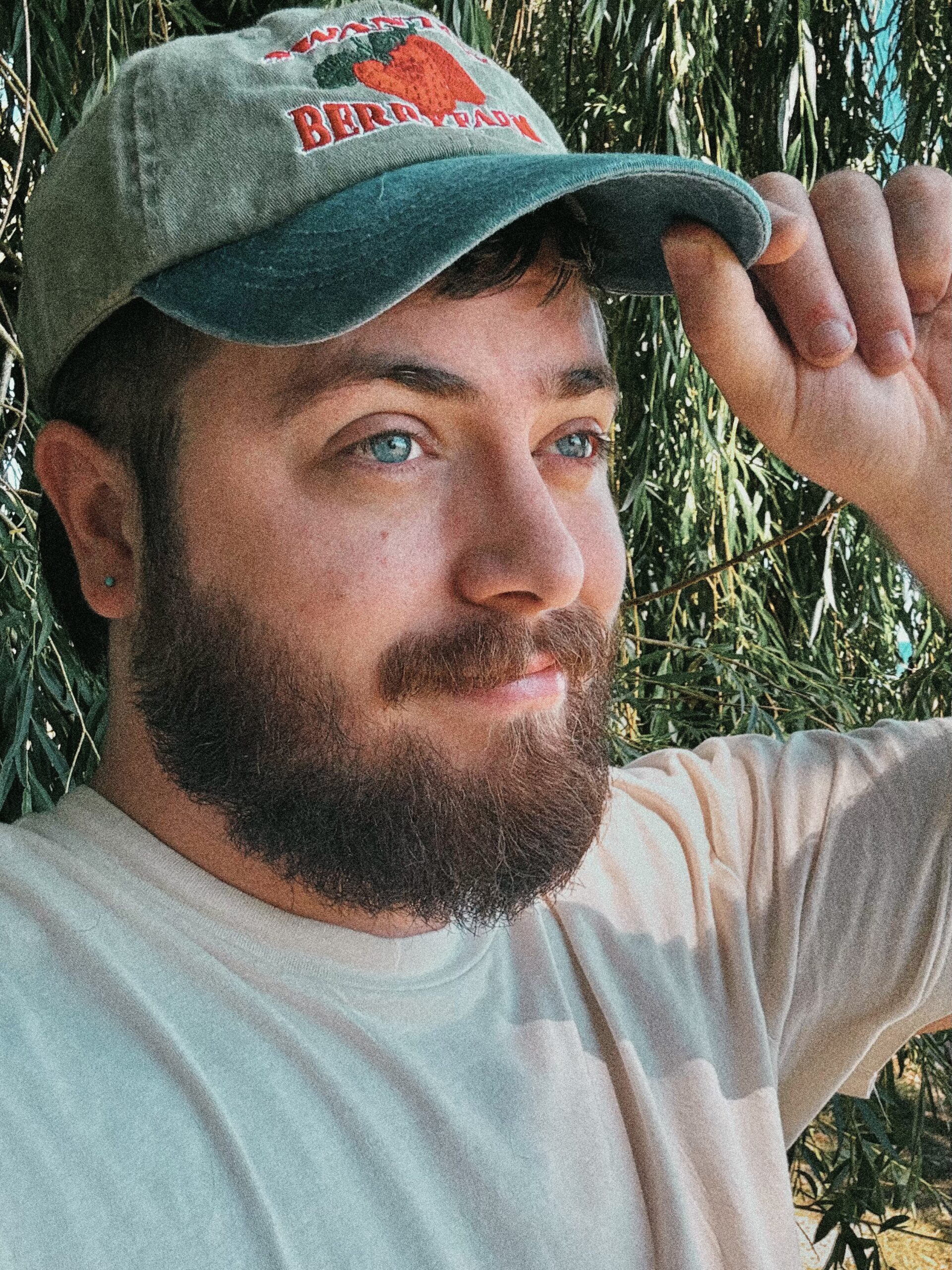
Spencer: It usually begins with one phrase appearing at a deeply inconvenient time, oftentimes while I’m driving or sitting in a crowded yet quiet room. Depending on the setting, I dangerously or awkwardly pull up my voice-recording app.
I keep hundreds of fragments in my phone: titles, images, overheard sentences, little lyrical threats. Most of them are useless. Then one suddenly develops a pulse, and I know there’s a song somewhere inside it.
I’ll sit at the piano and circle that phrase until I find the emotional center. Melody and language generally arrive together for me, as I really strive to marry the rhythm of a melody to the natural emphases you’d place on a phrase.
I’m less interested in explaining an event than finding the image that contains it. Instead of saying, “this relationship deteriorated,” I’d rather write about rust spreading beneath something polished. The metaphor gives me enough distance to tell the truth.
Once the basic structure exists, I become obsessive. I’ll change a single word twenty times because the vowel doesn’t sit correctly in my mouth or the image feels almost right but not inevitable. Then I record a crude voice memo, send it to someone I trust, and immediately become convinced I have embarrassed my ancestors.
In production, the question becomes: what world does this song belong in? Some need to remain nearly naked. Others need guitars, strings, percussion, and enough drama to frighten nearby livestock. The process ends when every element serves the story rather than simply proving we knew how to add another instrument.
Bryce: Mission accomplished, you’ve inspired me yet again! I particularly relate so much to changing a single word twenty times over a vowel that doesn’t sit right. As a rapper, my God… That is so important beyond counting syllables and rhyme patterns.
Through 21 songs on the album, you tell so many different stories mixed with a plethora of emotions and tackle several topics ranging from finding love, losing it, the pursuit of happiness, depression, and so much more.
Maybe it’s because I recently watched Christopher Nolan’s The Odyssey or maybe it’s because Homer’s epic poem still reflects several themes and motifs anthropologically to this day, but I feel that you’ve truly delivered an epic of your own through this body of work. What are some of the highlights both good and bad for you personally across this journey in creating Almanac Unabridged?
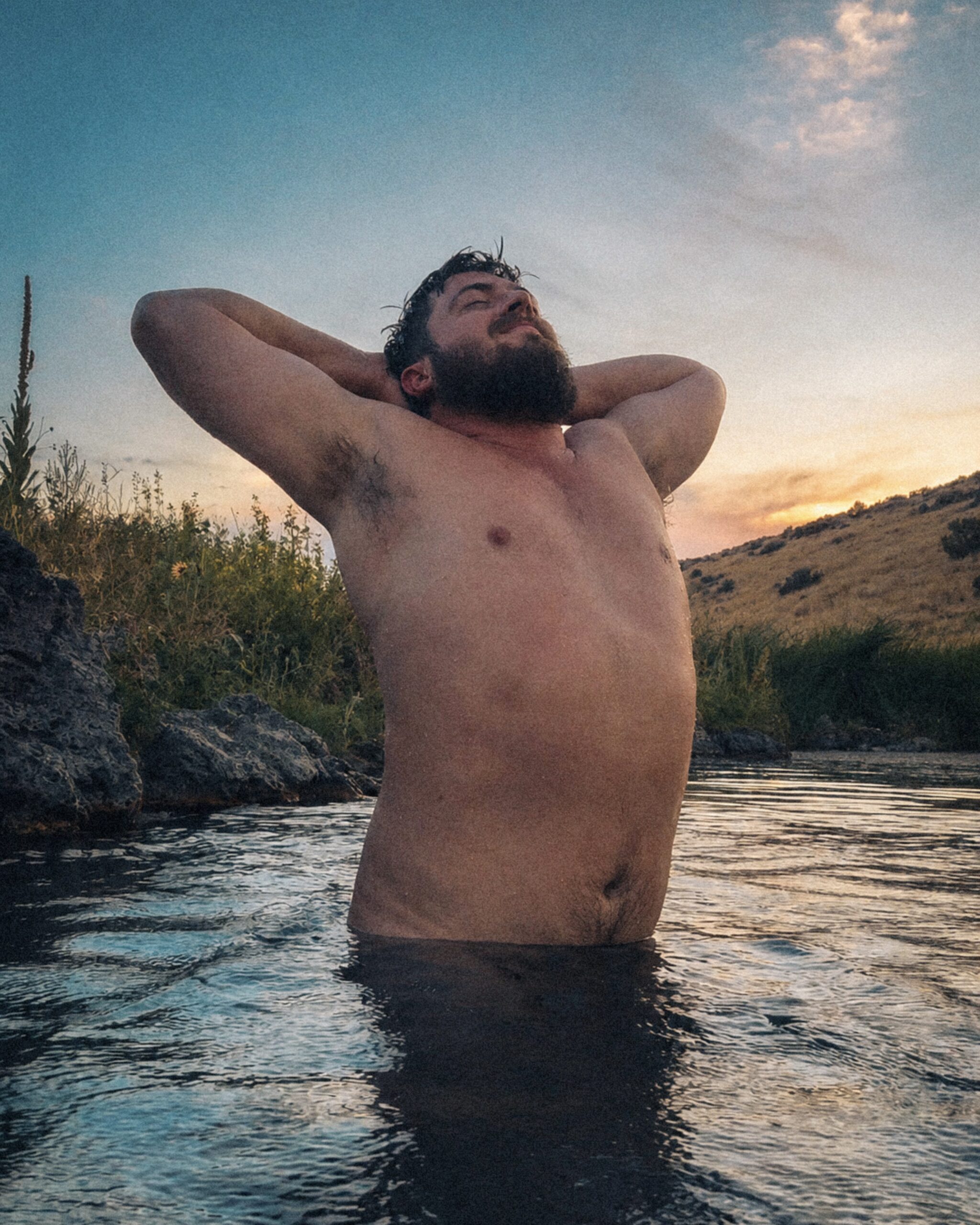
Spencer: I appreciate the comparison to The Odyssey, although mine has fewer sea monsters and significantly more homosexual yearning than Chris Nolan can muster. The journey is similar, though: leaving home, losing your map, and eventually realizing the original pillars of your identity might not be able to hold you anymore.
Funnily enough, I referenced Homer in the title track: “Let it all fall to pieces and then, as the Odyssey ends, say it never was right.”
The difficult part was that I had to keep returning to experiences I desperately wanted to outgrow. Writing can transform pain, but first it asks you to look directly at it. There were songs about friendships collapsing, faith unraveling, depression, fear, and the possibility that some relationships might never become what I hoped they could be.
There were also moments when my voice and health became uncertain, which is terrifying when your entire career depends upon your body agreeing to cooperate. I had to learn that rest isn’t failure and that forcing yourself through every obstacle is not the same thing as strength.
But the beautiful moments outweighed all of that. I got to make “Healing” with my mother, which allowed us to hold a complicated relationship inside something loving. My aunts sang background vocals on “Legacy” in tribute to their father, my grandfather. I got to pay homage to lost loves sent to sea without anger, only sweet sadness.
On collaborations, Sasha Haydn, EJ Michels, Jesse Blake Rundle, and The Penny Candies stepped into these songs and changed their meaning simply by bringing their own voices and histories.
I also watched deeply personal songs become communal. People told me they heard their own families, losses, loves and religious experiences inside them. That is the highest form of success I know. I wrote these songs because I needed somewhere to live, and then listeners moved into them with me.
Bryce: Spencer, I am too stunned to even speak. I relate so much to what you said about your health and learning that rest isn’t failure. I needed to hear that, thank you. I also think it’s so awesome that the beautiful moments were so cathartic for you with your family and how your music has resonated with others. That’s just insanely cool.
Okay, back to the interview. One of the most recent additions to Almanac Unabridged is your latest single titled Reaper, a lyrically reflective piece about yearning for love and more in this world after a lifetime of loss written as a poem to the one who’s been taking it all away from you; the Reaper.
I can feel the raw emotions you poured into this song not only through the lyrics but also the expressive vocal delivery and the inflections of your voice too. Can you tell us a little bit more about your process in creating this track and where the emotions behind it came from?
Spencer: “Reaper” came at the end of my worst road. I think of it as more of a prayer to death, but not the grim reaper version, but more “Over The Garden Wall” spooky-whimsy-core. I navigate a few mental health features, bipolar being at the top of the list, coupling that experience with growing up believing in a perfect afterlife created a dangerous emotional equation.
Dying didn’t seem scary, it felt like an escape to greener pastures. I lived in that harrowing mindset for years until mere survival had become so habitual that I organized my life expecting brevity. Then something shifted. I found people I wanted to remain beside. I began building a future I was curious enough to see.
Suddenly, death wasn’t an escape hatch anymore. It was an interruption. “Reaper” is me turning toward the figure who I thought was my way out and saying, “not yet. I finally have something here.” Vocally, I tried not to polish away the fear.
Some lines needed restraint, and others needed to crack open. The emotion isn’t just defying death, it’s a celebration of why we choose to live. “Reaper” is about finally loving your life enough to become protective of it. For a person who spent years wondering whether he belonged in this world, asking for more time is a fairly radical conclusion.
Bryce: That’s an extremely valid conclusion to reach, and I love the story behind this song. Thank you for sharing that!
Your music feels like it would set the perfect scene being performed in personal settings such as around a campfire or with friends sitting on pillows in an intimate space such as a living room, but I also feel that you’ve established a solid stage presence too. What could our readers expect if they come to one of your shows?
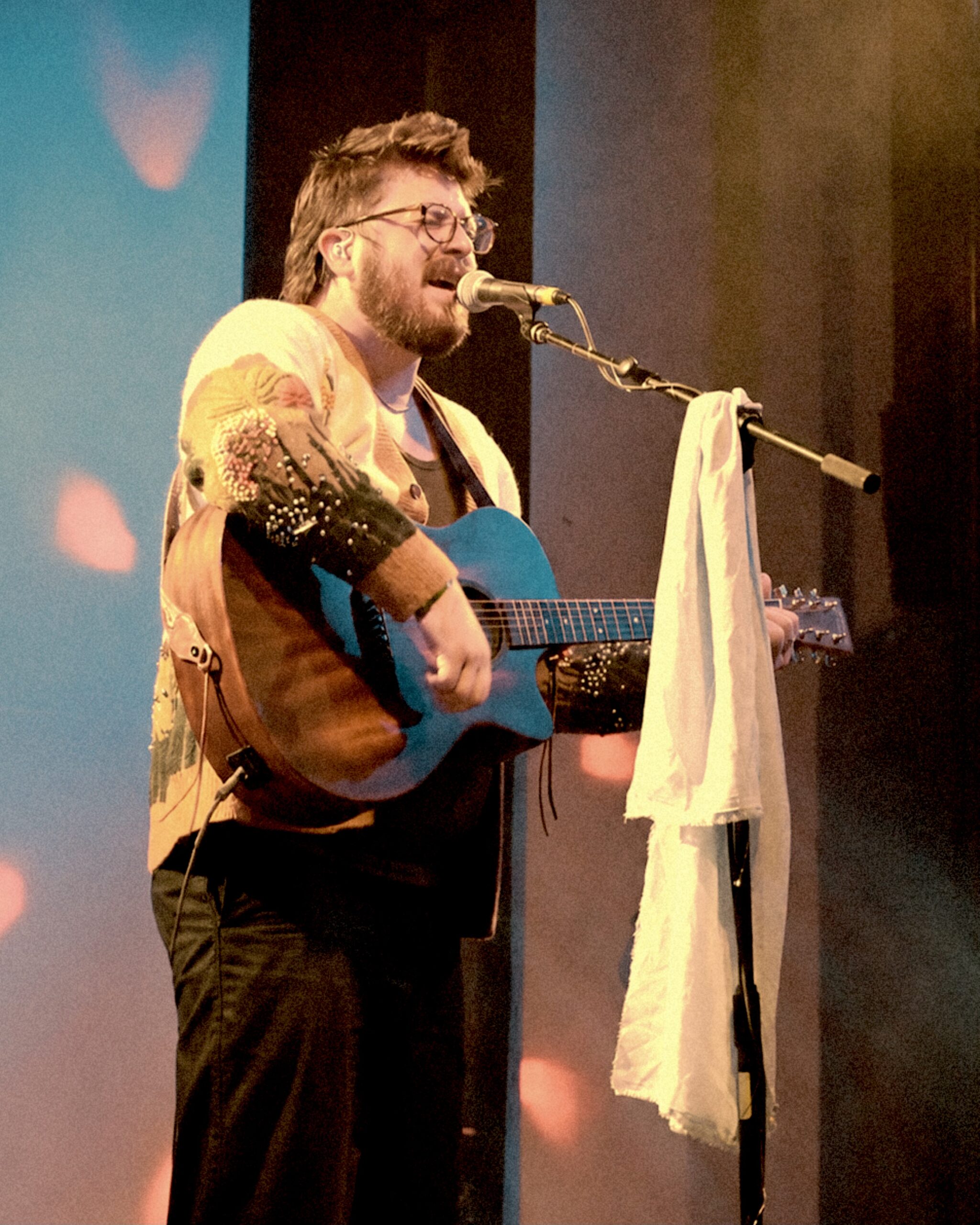
Spencer: A Spencer Sanders show is somewhere between a rock concert, a living-room confession, and a church service for people who don’t really go to church anymore. I love telling the stories behind the songs, so there’s a lot of conversation with the audience.
I’m emotionally incapable of standing silently at a microphone and pretending to be mysterious. I will explain the trauma, make a joke about it, flirt with someone near the front, and then sing a song devastating enough to make us all regret laughing.
Depending on the show, it may be me at the piano in a very intimate room or an eight-piece band creating a beautiful wall of sound behind me. Either way, I want the audience to feel close to what’s happening. The goal is never perfection, it’s recognition.
Bryce: I will be buying tickets to whatever the next show is, I need to experience all of the above, including the flirting!
You told me that you’re currently transitioning your career from Utah to New York City, and selfishly, I’m excited to have such a talented and handsome musician such as yourself moving to my neck of the woods. Can you tell us about what sparked this motivation in wanting to move here and what you’re looking forward to the most?
Spencer: While not my first or final home, Utah made me. Its mountains, contradictions, beauty, religion, and peculiar species of repression are pressed into every song I write. I don’t want to erase that, I want to take it with me, but I’ve reached a point where I need a larger creative ecosystem.
New York offers more collaborators, more stages, more queer community, and more opportunities to be challenged by people who have devoted their lives to making strange and ambitious things. There’s also something appealing about becoming anonymous again.
In Utah, I understand the rules even when I’m breaking them. New York feels less interested in whether I fit the landscape but rather simply asks whether I can keep moving. I’m looking forward to bringing these dusty-boots songs into crowded rooms on the other side of the country. I want to see what happens when sagebrush meets concrete; when music born in mountain towns gets to live somewhere loud, restless, and impossible to fully know.
I’m also looking forward to autumn, late-night conversations, and developing an emotionally codependent relationship with a neighborhood restaurant.
Bryce: You will absolutely find all of that, and I’m excited for you to make this jump. I just know you’ll love and will meet so many new and amazing people that will grow with you. I look forward to taking you to brunch with my partner in my neighborhood!
I think our readers will agree with me when I say you’re an extremely good looking and dapper cub which is something we need more representation of in the music industry. How do you personally feel about representing the bear community in the indie folk-rock music scene and do you have any advice for other big boys reading now who want to pursue a similar path as you?
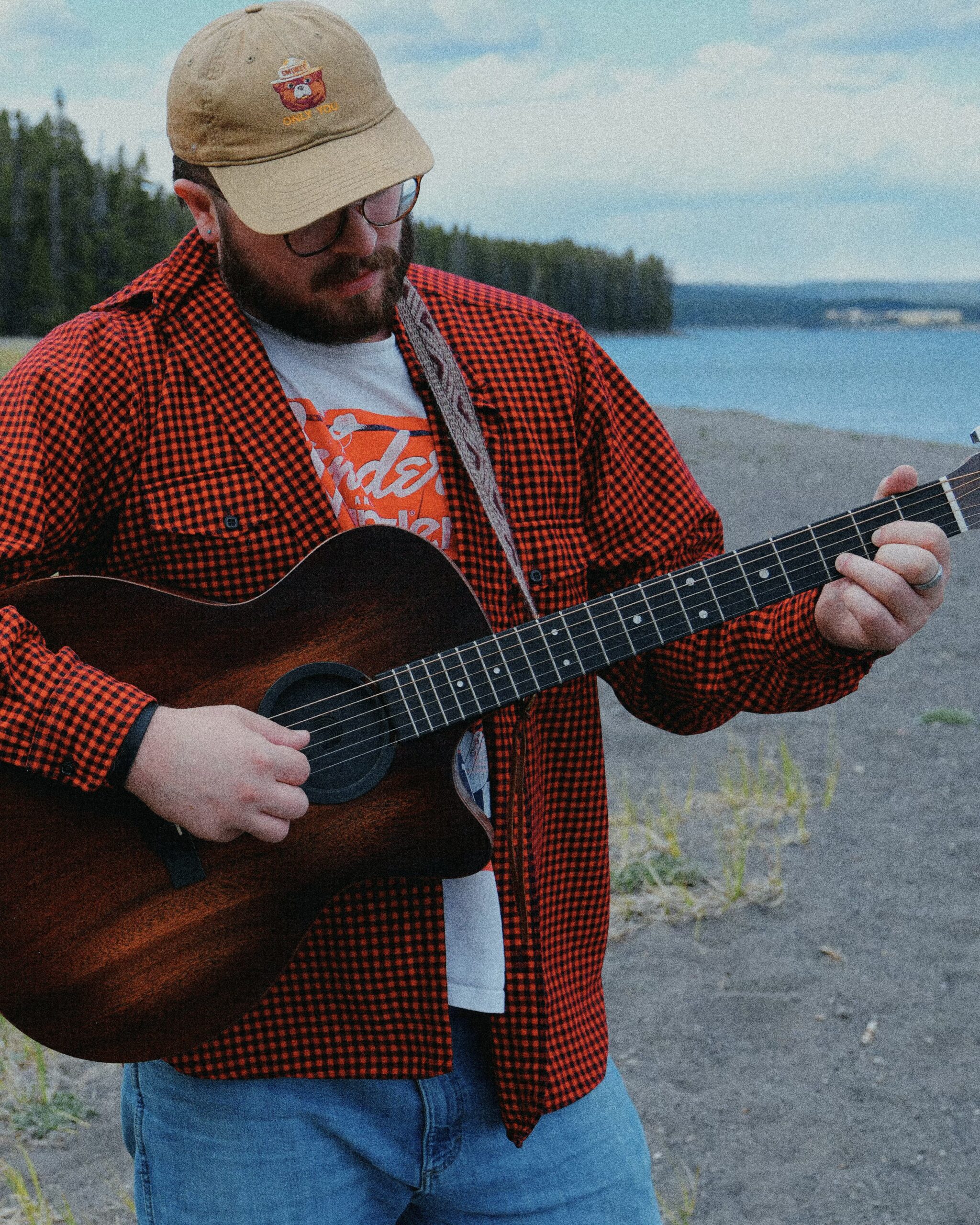
Spencer: First, I deeply appreciate being professionally identified as a handsome cub. Please make that the headline and inform my enemies.
Second, you are what you eat, and I’ve admired bears since I was a self-hating twink, so perhaps this was inevitable. Representation matters because people absorb ideas about who is allowed to be desirable, visible, and successful long before anyone says those ideas aloud.
The music industry often treats bodies like branding exercises. Bigger men are frequently expected to become comic relief, hide themselves, or transform before they’re considered worthy of attention. I’m not interested in waiting until my body becomes more commercially convenient.
I love being a part of the bear community because it celebrates a form of masculinity that can be big, soft, rugged, tender, flamboyant, and deeply desired all at once. I don’t feel obligated to represent every bear, but I’m happy to exist visibly as one, and perhaps remove my shirt when artistically necessary.
My advice to other big boys is: do not postpone your life until you are smaller. Wear the tight clothes. Take the photographs. Walk onto the stage. Let people desire you without interrogating why. Your body is not an apology you owe the camera.
Bryce: Yet again beautifully said by the handsome, dapper, and clever musician. I love the way you said that!
Okay, now it’s time for The Bryce Quartz Essential Question. The one question I ask everyone I interview, and not just because I’m hungry all the time. What are some of your favorite foods, dishes, or restaurants? Maybe I can even give you some recommendations based on your personal taste for when you move here to NYC!
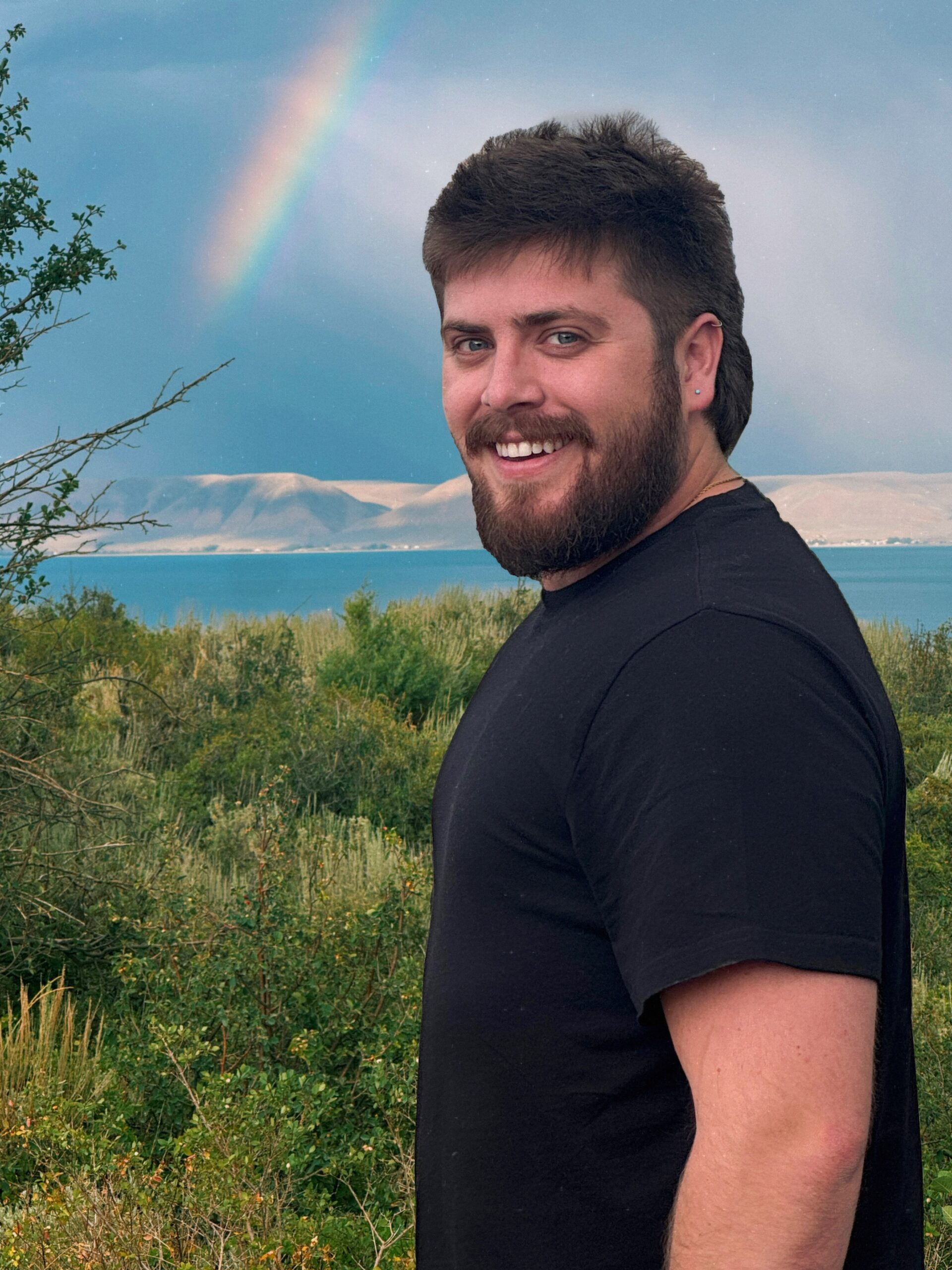
Spencer: I’m gluten intolerant, which is God’s funniest punishment for a man who would happily construct an entire personality around garlic bread. I love hearty and comforting food: steak and cornbread, tacos, Thai curry, a great burger, and an irresponsible amount of potatoes. Crispy potatoes are one of humanity’s strongest arguments against nihilism.
Restaurant-wise, I’m less loyal to a specific level of prestige than I am to atmosphere. Give me a tiny sushi counter, a dimly lit steakhouse, a chaotic diner, or somewhere with excellent cocktails and a gluten-free menu that doesn’t read like a hospital pamphlet. I also love restaurants where you can settle in for several hours and let dinner become the evening.
Good food, low lighting, interesting people nearby, and just enough noise that you can confess something scandalous without the adjacent table hearing every detail. So yes, I will absolutely require New York recommendations. Preferably places where I can eat well, pretend hot people are looking at me, and make a whiskey-fueled fool of myself.
Bryce: You got it, I will be making a list for when you arrive and encourage our readers to also give you some recommendations! You’re also in luck, because from what I’ve heard, NYC has an insane amount of gluten-free options at most restaurants.
Outside of being an outstandingly dashing and talented musician, what are some of your favorite travel destinations and hobbies?
Spencer: While I’m actually pretty well-traveled globally, I’ve been very focused on the United States recently as I want to cherish my country in a way the assholes abusing power never could. I’m trying to be a true patriot and love my country right. I love places with dramatic landscapes and slightly haunted personalities.
Big Sur, the West Desert of Utah, Craters of the Moon in Idaho, deep Appalachia, the Grand Canyon of the Yellowstone… Pretty much anywhere that makes me feel very small without making me feel insignificant. But this country boy can also navigate the big city. San Francisco feels strange, romantic, and beautifully weathered.
Nashville is full of musicians who can take the half-formed thing in your head and make it sound inevitable. New York has an energy that feels like being dared and fuels you with enough false confidence to do it.
Outside of music, I love camping, long drives, skinny-dipping in undeveloped hot springs, and wandering through antique stores or strange little roadside places. I’m happiest when I’m somewhere unfamiliar with people I know deeply. Preferably with a piano or guitar on hand.
I also spend a great deal of time with my dog, Bandit, who is both my most loyal companion and my least constructive creative critic. He has never once pre-saved a single.
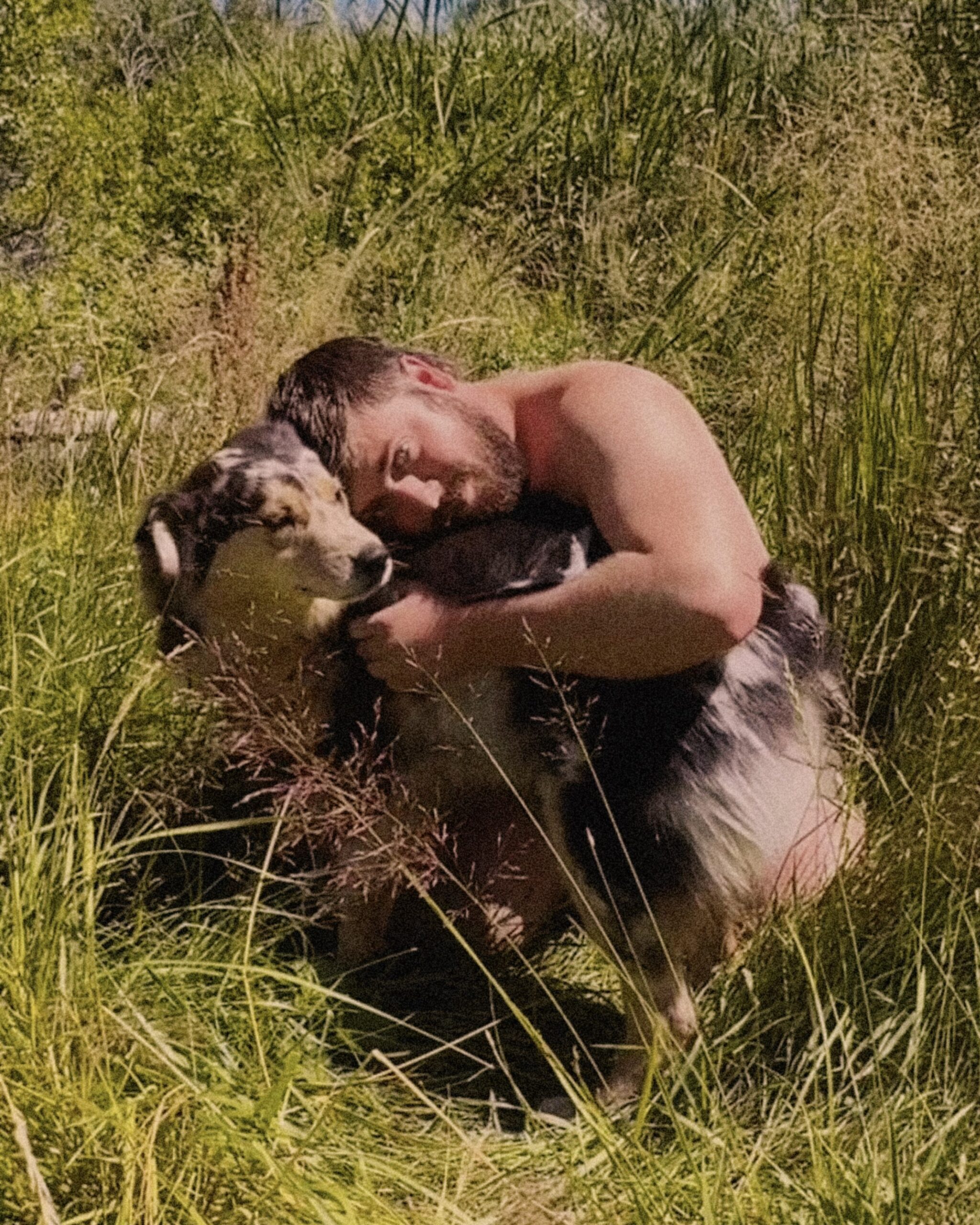
Bryce: One, I’d like to meet Bandit, please and thank you. Two, once I meet him, I will be having a chat with him about not pre-saving your music but with lots of pets and snacks to convince him its in his best interest to do so.
Thank you so much for taking the time to speak with me, Spencer! Is there anything you’d like to leave our readers with today?
Spencer: Thank YOU, Bryce! You are the absolute best. Please listen to Almanac Unabridged from beginning to end at least once. Not because every song will belong to you, but somewhere across those 21 tracks, I suspect you’ll recognize yourself. And PLEASE support queer artists from the places people dismiss as “flyover country.”
There are extraordinary stories being written in mountain towns, rural communities, religious families, and landscapes where people are still fighting for the right to name themselves. These are the front lines and not everyone is able to leave for a major city.
I spent a long time believing I needed to escape my life before it could become meaningful. Making this album taught me something different: sometimes you don’t escape the landscape. You learn its weather, find the people willing to stand beside you, and build a shelter strong enough to sing from.
Also, flirt with the handsome cub at the merch table. He has endured a lot.
Be sure to give Spencer a follow on social media and stream his music on all platforms now!
Website – Instagram – TikTok – YouTube