Braais, Bears and Brotherhood: The Untold Story of South Africa’s Bear Community
From underground queer spaces under apartheid to braais in the bush, South Africa’s bear
community has quietly built something remarkable, and it’s only getting started.
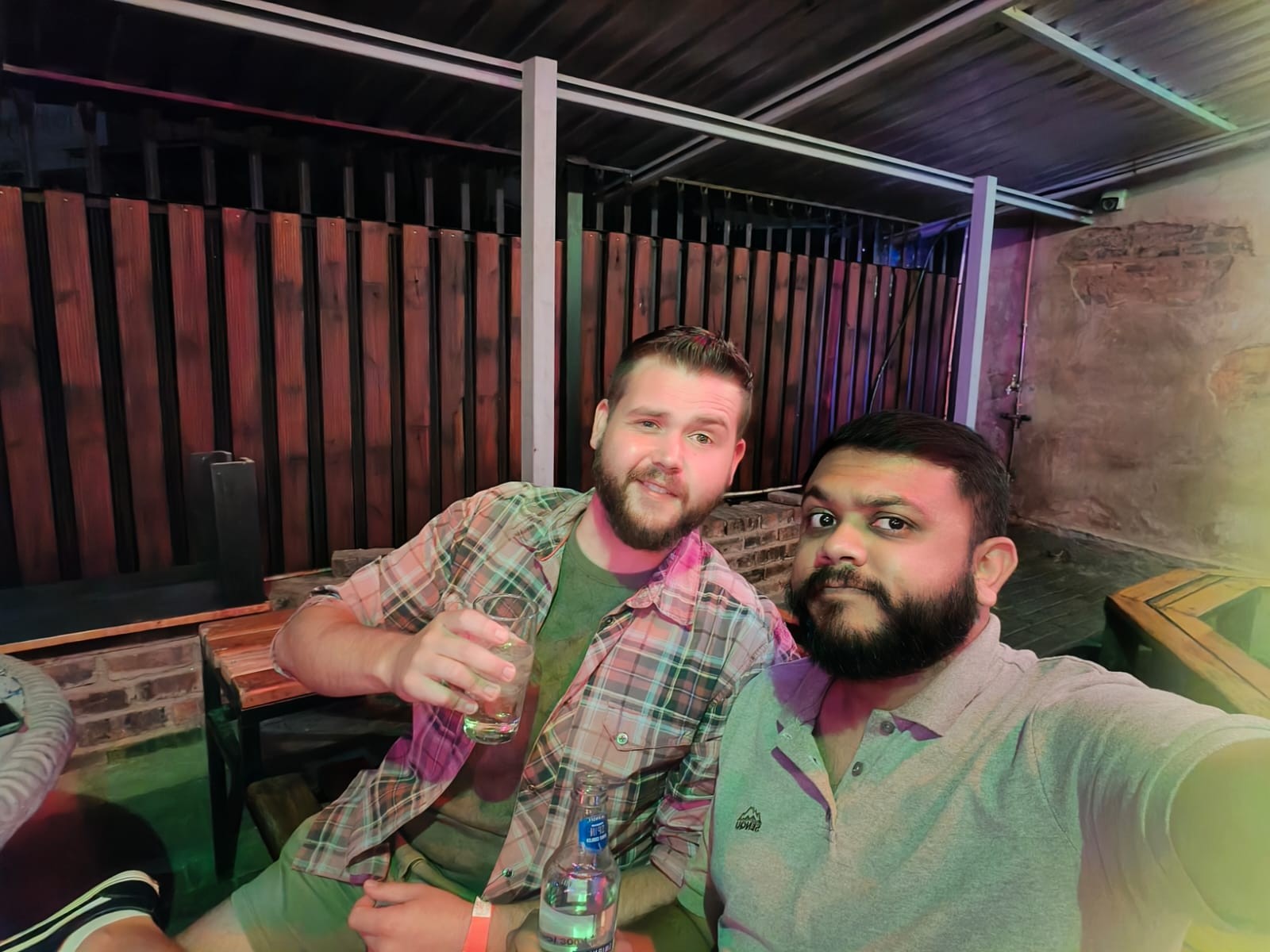
Aheesh Singh never thought of himself as a bear. The slim Indian guy from Johannesburg
didn’t fit the image he had in his head. Big, bearded, rugged, overwhelmingly Afrikaans.
Then he walked into a gathering of the Pretoria Bears and everything changed. “After being
so welcomed and loved, I am now a bear,” he says, “whatever that may mean.”
That quiet revolution, of identity expanding to welcome people it once seemed to exclude, is
very much the story of the South African bear community right now. Born in the post-
apartheid euphoria of the late 1990s and shaped by everything from braai culture to the rise
of dating apps, South Africa’s bears are a community in motion: fractured in some places,
fiercely warm in others, and grappling honestly with questions that most bear communities
around the world are only beginning to ask.
From Die Kneipe to Constitutional Freedom



The story of South African bears cannot be told without first telling the story of South African
queerness. Under apartheid, gay life existed largely in the shadows, hidden in private
homes, in underground clubs, in the few urban pockets where the state turned a blind eye.
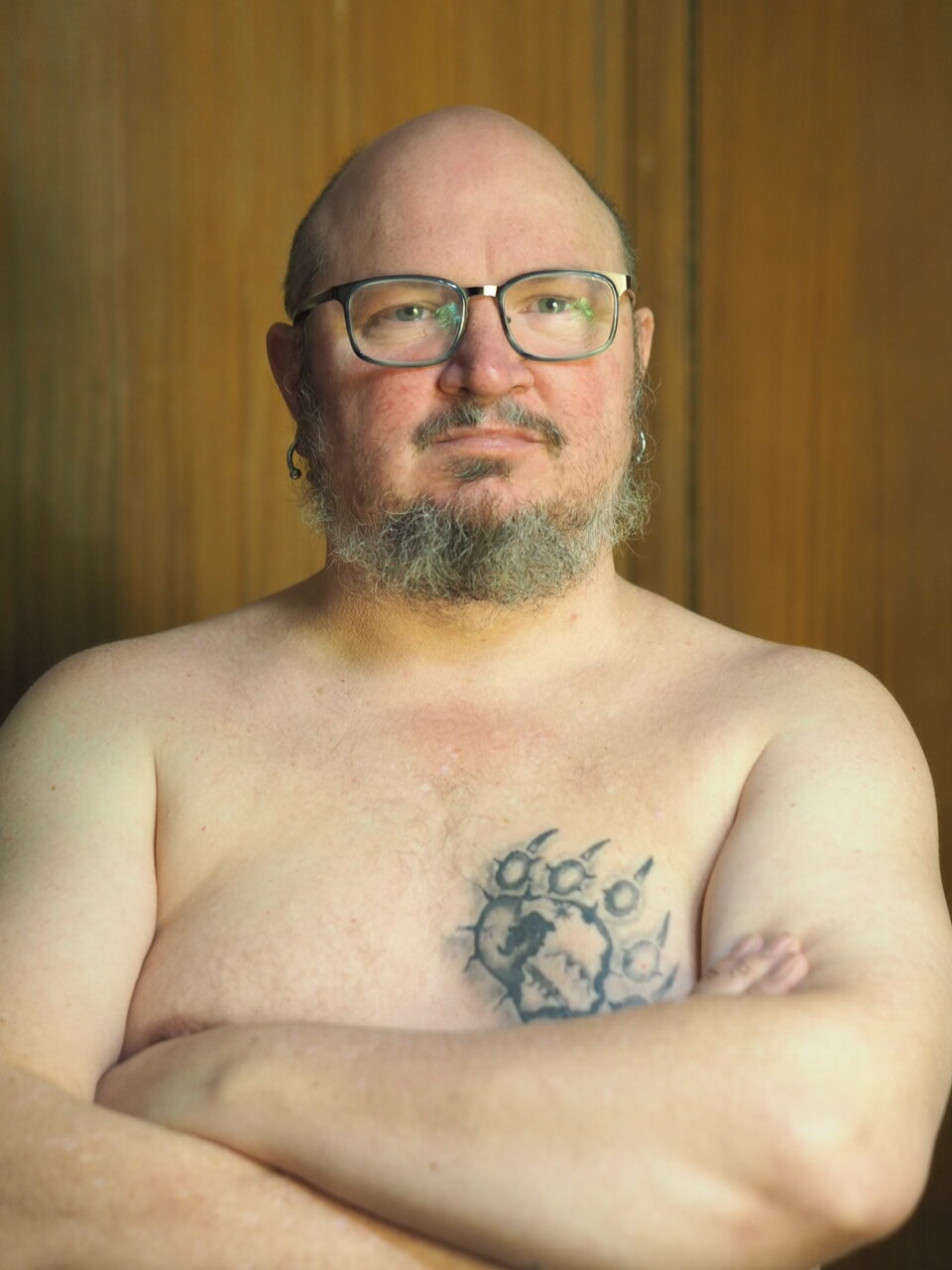
Brian Trudgeon, one of the community’s longer-serving members, recalls that Johannesburg
alone had more than 40 gay-friendly venues in the 1980s and 90s, including a leather bar
called Truckers. The early bear gatherings coalesced in a bar in the suburb called
Greenside, moved to a reggae venue in Melville called Cool Runnings, then found a home at
Die Kneipe German Pub in the area of Kensington.
“Constitutionally we have been protected for a long time,” Brian notes. “Removing
homophobia from the statute books does not change people’s minds though. I experienced
harassment by the police in the parking lot outside Die Kneipe firsthand.”
The 1996 Constitution, the first in the world to explicitly prohibit discrimination based on
sexual orientation, fundamentally changed the landscape. Social clubs formed, Pride
movements grew, and bear identity, arriving through connections with international gay
culture, found fertile ground in a country that had always celebrated a certain rugged, hirsute
masculinity. It resonated deeply.
Christopher Araujo grew up just as the community was taking shape. The stories he
absorbed were second-hand. Older men talking about cruising, about the military, about life
before any organised bear scene existed. “I am unsure about a lot of it, because I was born
in 1994,” he reflects. “From what I understand there really wasn’t a ‘bear community’ per se.”
That he now belongs to one is itself a measure of how far things have come.
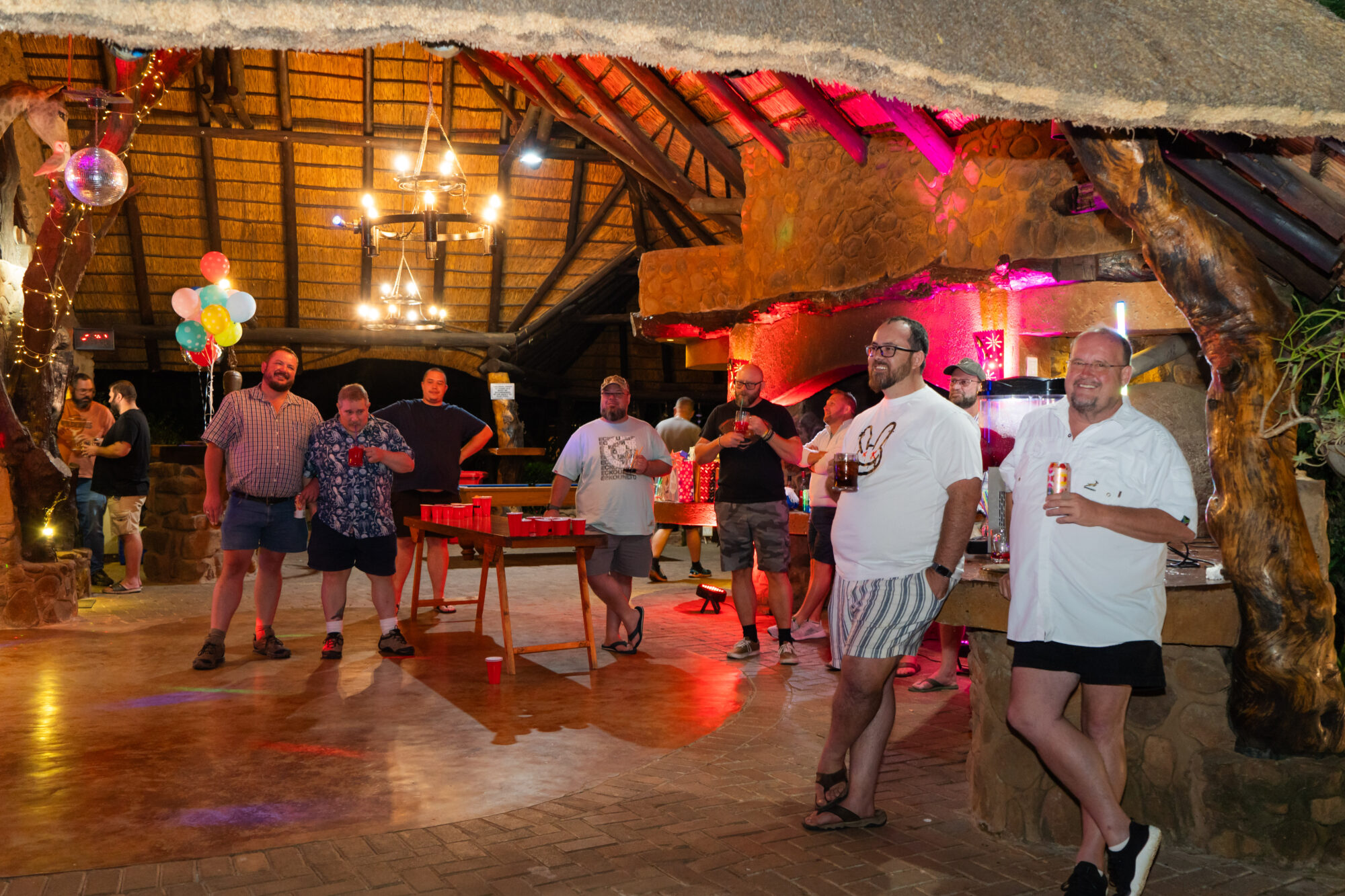
More Braai Than Bear Bar
Ask any South African bear what makes their community different, and the answer comes
quickly: it’s the braai. Where bears in Berlin have Woof, and the Dutch have quarterly Bear
Necessities parties, South Africa’s scene revolves around someone’s lapa (a traditional
South African outdoor entertainment area, often thatched), a fire, and a cooler box of beer.
Christopher puts it plainly: “The community is heavily mixed with Afrikaner culture, so there
is a big emphasis on visiting people’s places for a braai, or going camping in the bush — like
Windpomp, Funny Farm, Voelkop — versus going to a bar or club.”


Johan Smith, who helped start a bear group called Bears and Friends in the Free State,
captures the spirit well: “If we look at the male figure in South Africa in general, it’s more
masculine and rugged. We still love to close-dance and eat a lot of meat. We still have
strong family values and belief in rules and structures.” Where he found international bear
culture leaning toward gym bodies and groomed aesthetics, he sees something looser and
more inclusive at home. “I feel we are more of a carefree group in South Africa.”
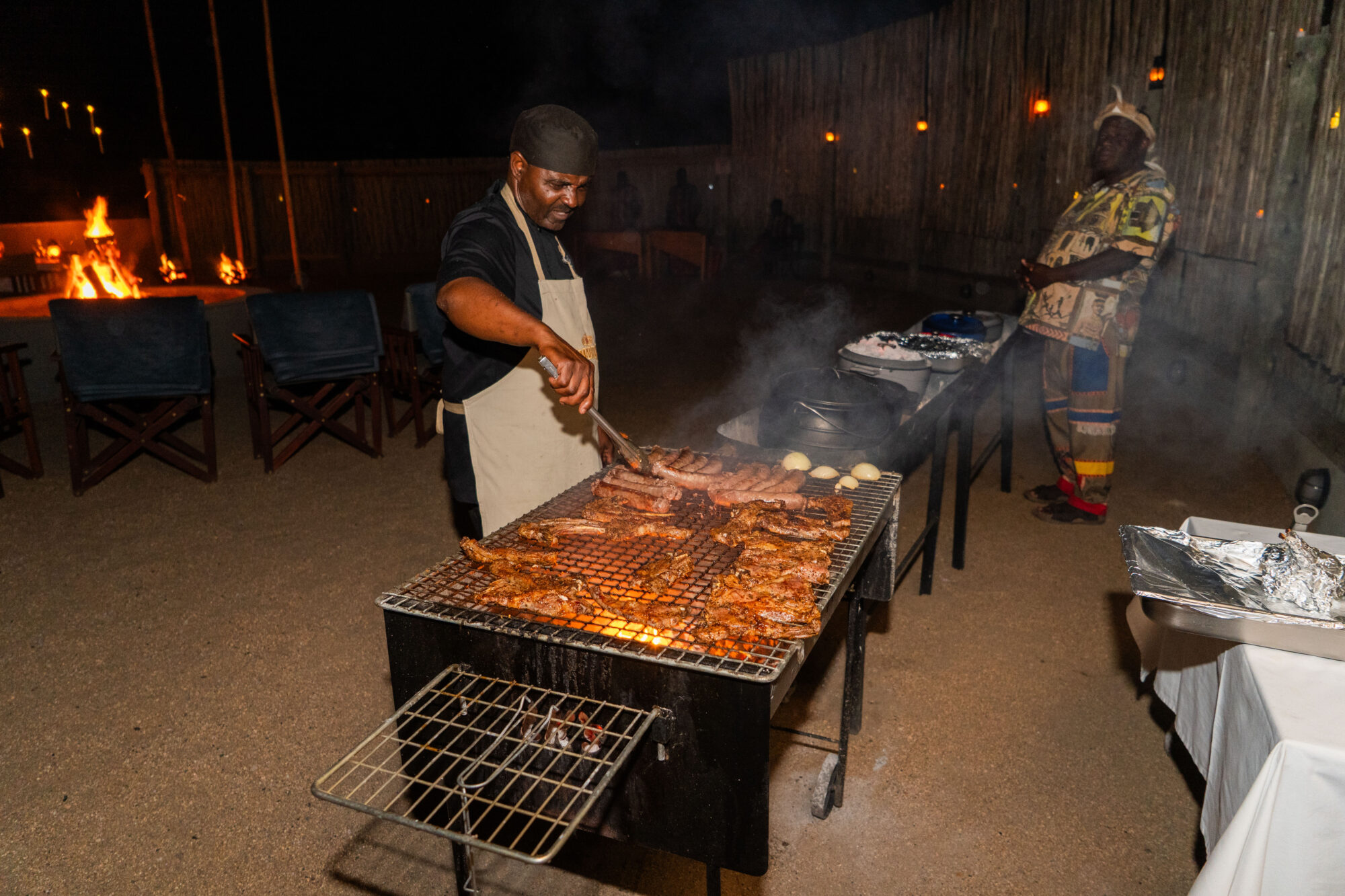
What is a Braai?
A braai is often described as South Africa’s answer to the barbecue, but locals will quickly
tell you it is much more than a meal cooked over fire. It is a social institution. Friends,
family, and neighbours gather around glowing coals, sometimes for an entire afternoon or
evening, sharing food, conversation, laughter, and the occasional debate. Meat, vegetables,
and traditional favourites slowly cook over the flames, while drinks flow freely and stories
are exchanged. The person in charge of the fire (the braai master) enjoys a special status,
receiving both respect and good-natured ribbing. At its heart, a braai is a celebration of
community, hospitality, and togetherness—one of South Africa’s most beloved traditions.
There is also, notably, less fetishisation of the “muscle bear” than in Europe or North
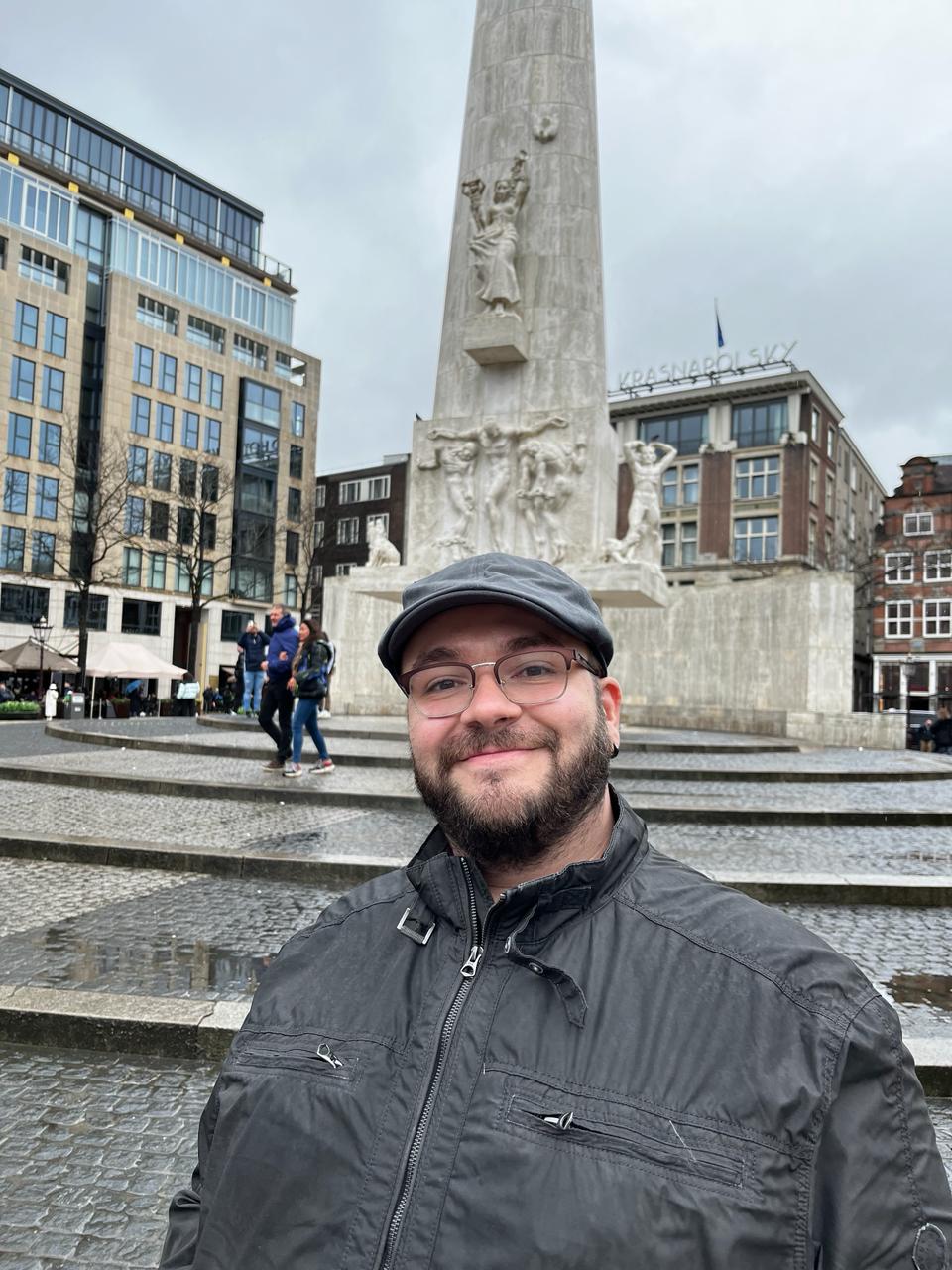
America. Bigger bodies are accepted and even celebrated. Christopher notices this too,
contrasting the local scene with bear culture he observed on his visit to Amsterdam a few
years back. “A lot of guys here are more accepting of bigger bodies,” he says, a generosity
of spirit that feels genuinely affirming, whatever its origins.
The Difficult Conversations
The community’s warmth is real but so are its tensions. Race remains the most pressing
unresolved question. Christopher is frank about it in a way that takes real honesty: “The bear
community in South Africa is still heavily skewed towards white Afrikaans men, and only a
few people of colour. Sometimes on gay apps like Scruff, I will still see people saying they
‘prefer white’, and usually hand wave it away as ‘just a preference.’” He reflects with unusual
candour on his own journey: “It took me way too long to really understand how hurtful it is.”
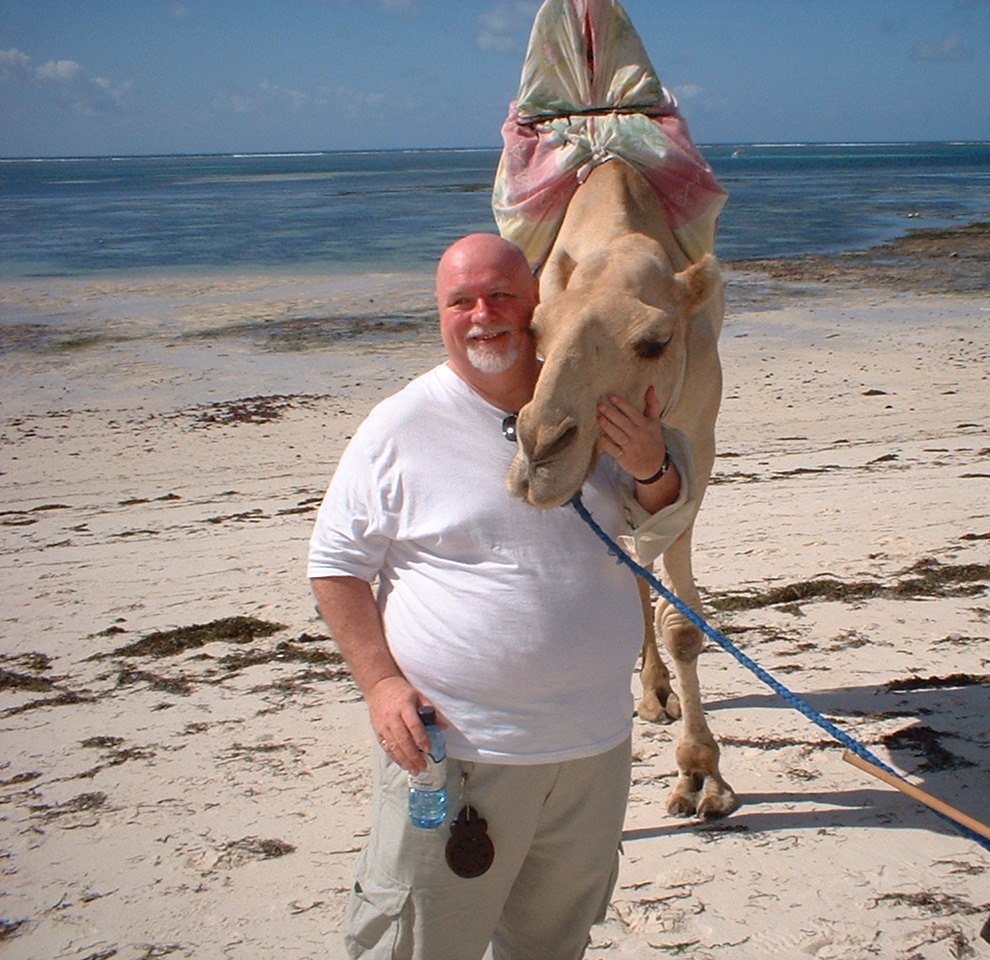
I asked my partner, Neal McKenna, a Canadian who moved to South Africa with me in 2003,
for his candid opinion because he experienced this dynamic firsthand when attempting to
connect with the Johannesburg bears. Initially received coolly, he returned later as a Gay
Pages journalist and found them welcoming, only to be completely ignored on a subsequent
social visit with his husband. “Perhaps it was because my partner is Indian,” he reflects. “I
can’t say for sure but we never went back.”
Brian, who has been involved for years, is measured but honest: “I don’t see Bears as a
racist ‘community’, but that is not to say individual members are not.” He acknowledges that
bear events have always had some racial mix but that the demographics never reflected
South Africa’s actual population.
Christopher echoes this, adding a layer of political concern specific to the community’s
cultural makeup: because the scene skews heavily on Afrikaners, he says, “you will
sometimes (though rare) encounter apartheid apologia or sympathy for far-right right-wing
organisations. “who would immediately throw queer rights under the bus if they had any
institutional power.”
Beyond race, Christopher flags two other challenges that rarely get spoken about openly.
The first is HIV stigma. “I worry that PrEP, while amazing, allows people to shame those who
do contract HIV,” he says. “We should still use condoms.” The second is trans inclusion. He
has found that when confronted with exclusionary behaviour, men in the community often
retreat to the defence of genital preference. “Nobody is arguing otherwise,” he says. “That
doesn’t mean that trans guys should be excluded from our spaces.”
Swipes, Screens and the Death of the Third Space
No conversation about the South African bear community today can avoid the apps. Grindr,
Scruff, Growlr. They are, as Christopher puts it, “a necessary evil”. He uses them, has made
genuine friendships through them, and still views them with deep ambivalence.
“These apps profit from our need for human connection,” he says, “and they don’t profit if
you find your life partner.” The result, he feels, is a platform architecture that funnels people
toward hookups and one-night stands rather than meaningful connection.
That concern is widely shared. A second respondent observes that app-based interaction
has eroded real-life communication skills, and that virtually everyone he meets online is
looking for something casual. “They’re not interested anymore to build a meaningful
friendship or relationship,” he says.
Christopher goes further, pointing to a structural problem beyond the apps themselves:
physical queer spaces are dying. Rising costs of living, insane rents, and the constant
availability of a camera are all contributing to a slow erosion of the bars, clubs, and
community venues that once made gay life tactile and embodied. “You are just pixels on a
screen and not a person,” he says. “It affects how people treat you.”
He occasionally visits gay bars and attends Pride events when he can. He also makes an
effort to connect with people one-on-one over coffee. But he knows these habits place him in
a minority.
“Part of me wonders if there could exist a world where you meet someone who you aren’t
initially attracted to, but you discover they’re funny or very interesting, and you develop an
attraction.” It reads like nostalgia for a world he never quite knew, a longing, perhaps, for
what community felt like before it became a profile.
A Community Finding Its Feet
For all its complications, optimism runs through the community. Aheesh sees the bear
movement as genuinely growing, spreading via social media to bears in every province,
attracting people from unexpected backgrounds, even earning the enthusiastic support of
drag queens.
“The community is evolving within itself to include many different types of people,” he says.
Johan identifies a broader cultural shift: “There is a shift happening in South Africa where the
‘sexy’ viewpoint is moving from the gym gay to the more ‘typical’ body shape. The ‘bear and
dad lifestyle’ is the desired one at the moment. The community is looking for stability.”
Christopher, for his part, worries about the future but refuses to give up on it. He wants more
organisation, “something like Bay Harbour Bears Harbour City Bears in Australia”, or a
dedicated bear bar, or a regular monthly event. He thinks BearFest is the closest the
community has come to cohering as a whole, and laments the decline of groups like
Jacaranda City Bears. But when he looks at younger LGBTQ+ South Africans, he finds
himself unexpectedly heartened. “The youth have surprised me with how smart and
politically connected they are,” he says.
The annual BearFest remains the community’s flagship event, drawing attendees from
across the country and beyond. And while the fracturing of the scene into geographic sub-
groups — JHB Bears, Pretoria Bears, East Rand Bears, Cape Town Bears, Durban Bears —
has sometimes read as fragmentation, it has also, in its way, seeded the movement across
the country.
Perhaps Johan puts it best, with the quiet eloquence of a man who has built community from
scratch in the often-hostile Free State: “It’s where we see and interact with like-minded
people. Where we learn about our friends and chosen families, struggles and hardship,
achievements and build true memories and meaningful relationships. Where we learn who is
the person and personality behind the profile picture.”
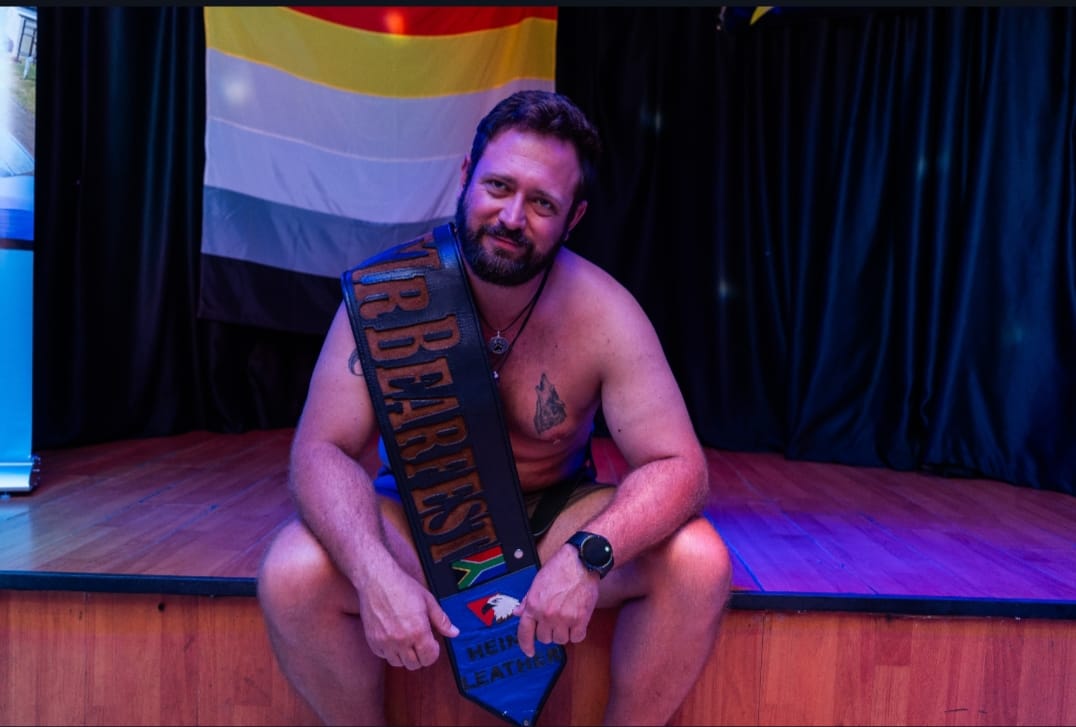
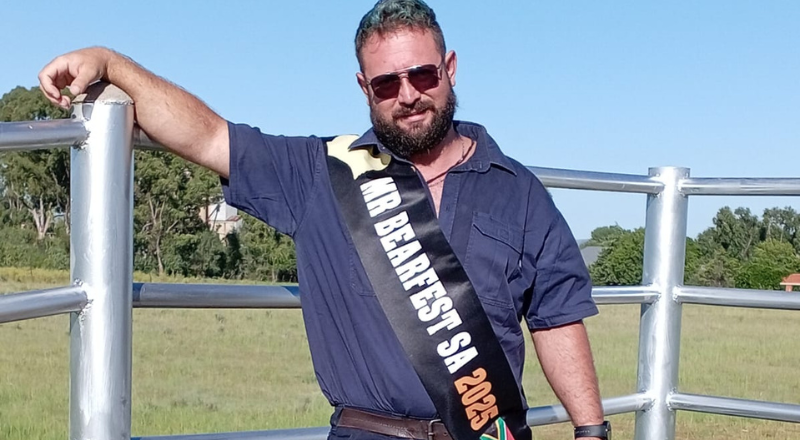
Crowned in Community: Johan Smith Named Mr Bearfest South Africa 2025
More than 200 members of South Africa’s bear community gathered in the bushveld near
Hammanskraal in December for Bearfest South Africa 2025, a celebration of friendship,
diversity, and belonging that has become one of the country’s most significant LGBTQI+
community events.
The festival brought together participants from across South Africa for a weekend of social
events, entertainment, and community-building. The highlight of the gathering was the
crowning of Johan Smith of Smithfield in the Free State as Mr Bearfest South Africa 2025.
The title is more than ceremonial. Mr Bearfest serves as an ambassador for the bear
community, representing values of inclusion, visibility, and pride throughout the year.
Accepting the honour, Smit delivered a message that resonated deeply with festival-goers.
“As Mr Bear International South Africa, I am proud to celebrate our diversity, our strength,
and our shared future.”
His words reflected the spirit of a community that continues to create spaces where people
of all body types, backgrounds, ages, and life experiences can find acceptance and
connection.
Smit also emphasised the importance of self-acceptance and chosen family, themes that
have long been central to LGBTQI+ communities around the world.
“Be proud of who you are. Be proud of where you come from. Be proud of the family you
have found along the way.”
The crowning took place against the backdrop of growing visibility and confidence within
South Africa’s bear community. What began as a niche gathering has evolved into a national
event that attracts participants from multiple provinces and increasingly serves as a
platform for celebrating diversity and challenging conventional standards of beauty within
gay communities.
For many attendees, Bearfest is about far more than titles or competitions. It is a space
where friendship, solidarity, and community flourish.
Smit captured that sentiment in his closing remarks:
“Together, we are stronger. Together, we are family. Together, we can make the world a
better place. Let’s all stand together under our rainbow flag.”


