
Where the Tar Ends: The Bears of the Platteland
On South Africa’s platteland, gay men were told they could be gay, or they could belong to the land. Three bears explain why they stopped choosing.
BY NAVIN VASUDEV
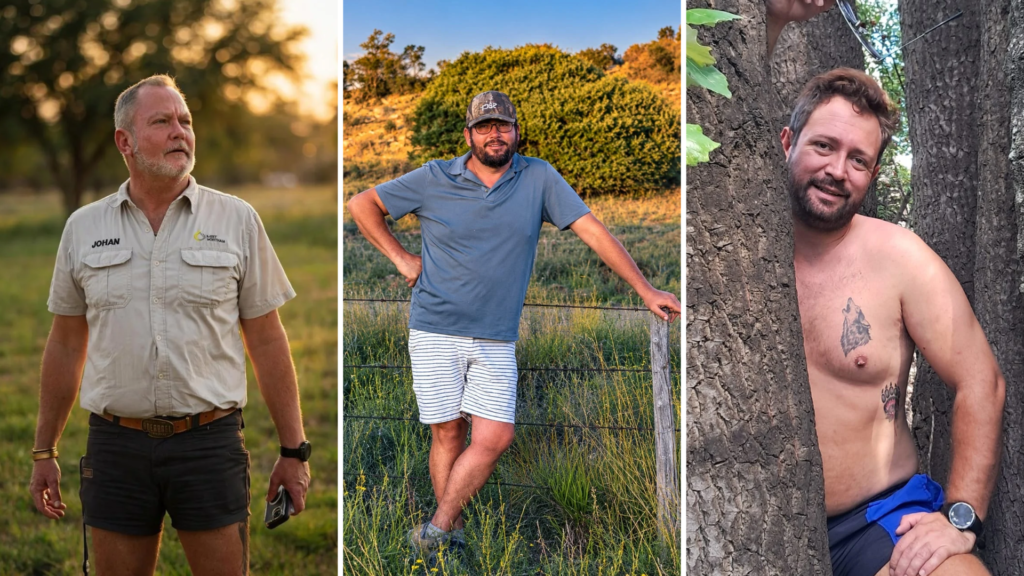
In brief, this piece follows three bears in small towns on South Africa’s platteland: Cobus Botha and his partner Johan Smith, who farm sheep in Smithfield in the Free State, and Johan Fourie in Northam, a Limpopo mining town without a single traffic light.
Through their stories, the piece explores a question each of them has quietly lived with for years: can you be gay and still belong to the land you come from? It touches on isolation, secrecy, faith and family, and also on the humour, warmth and brotherhood they’ve found along the way.



I really enjoyed writing this one. The three men were generous and open with me, and it was a privilege to hear their stories. I hope you like it too.
-Navin

The first time Cobus Botha searched his phone for a man like himself, the nearest one was nearly three hundred kilometres away.
That is how it works on the platteland. The grid of faces that fills a screen in Johannesburg in seconds stays mostly empty out here: a few blank squares, a torso, a bakkie parked in front of a windmill. On the platteland you don’t measure distance in kilometres. You measure it in petrol money, and in how long you can keep a secret.
“Everyone wants to keep everything a secret in the platteland,” Cobus says.


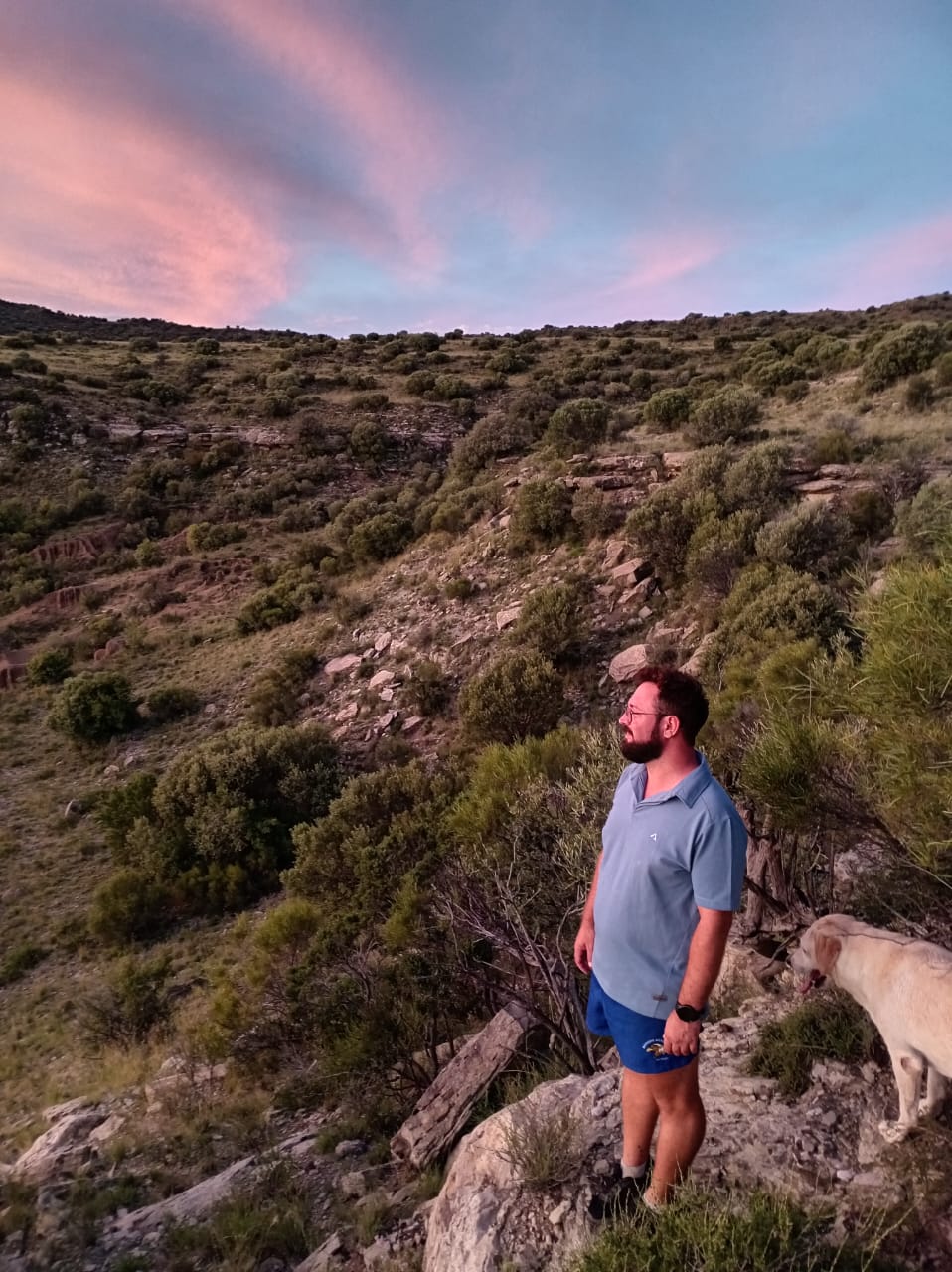
He kept his own until he was thirty-nine. In Fouriesburg, the small Eastern Free State town where he grew up, nobody bullied him, because there was nothing to see. He simply never let anyone in.
“You’re never the person that you’re meant to be. There’s always something holding you back.”
The man at the other end of that distance was Johan Smith, who grew up on a farm his family worked before the nearest town even had a name. He married, because that is what you did. He has never told his father, who turns eighty-one this year, and he says he never will.
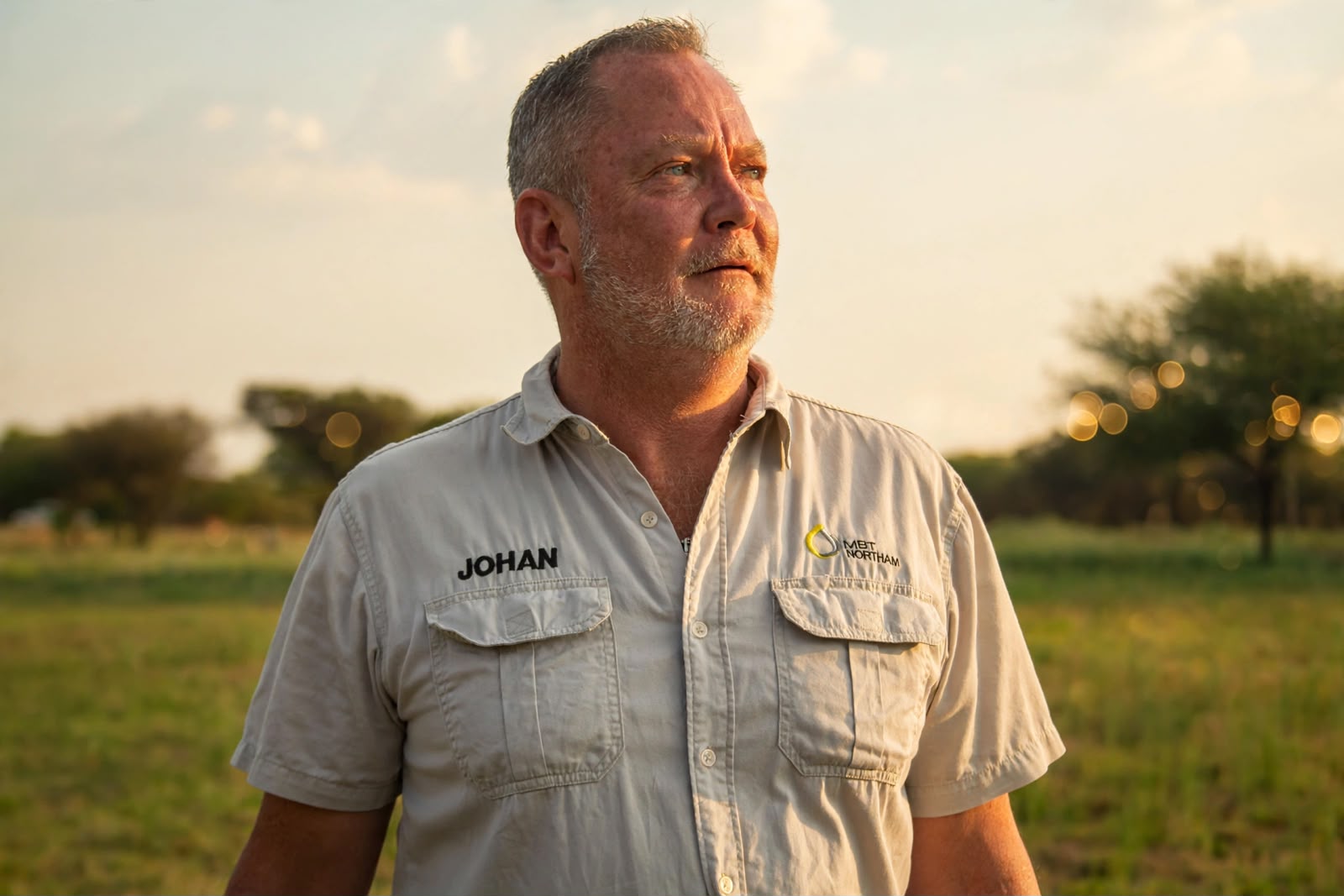
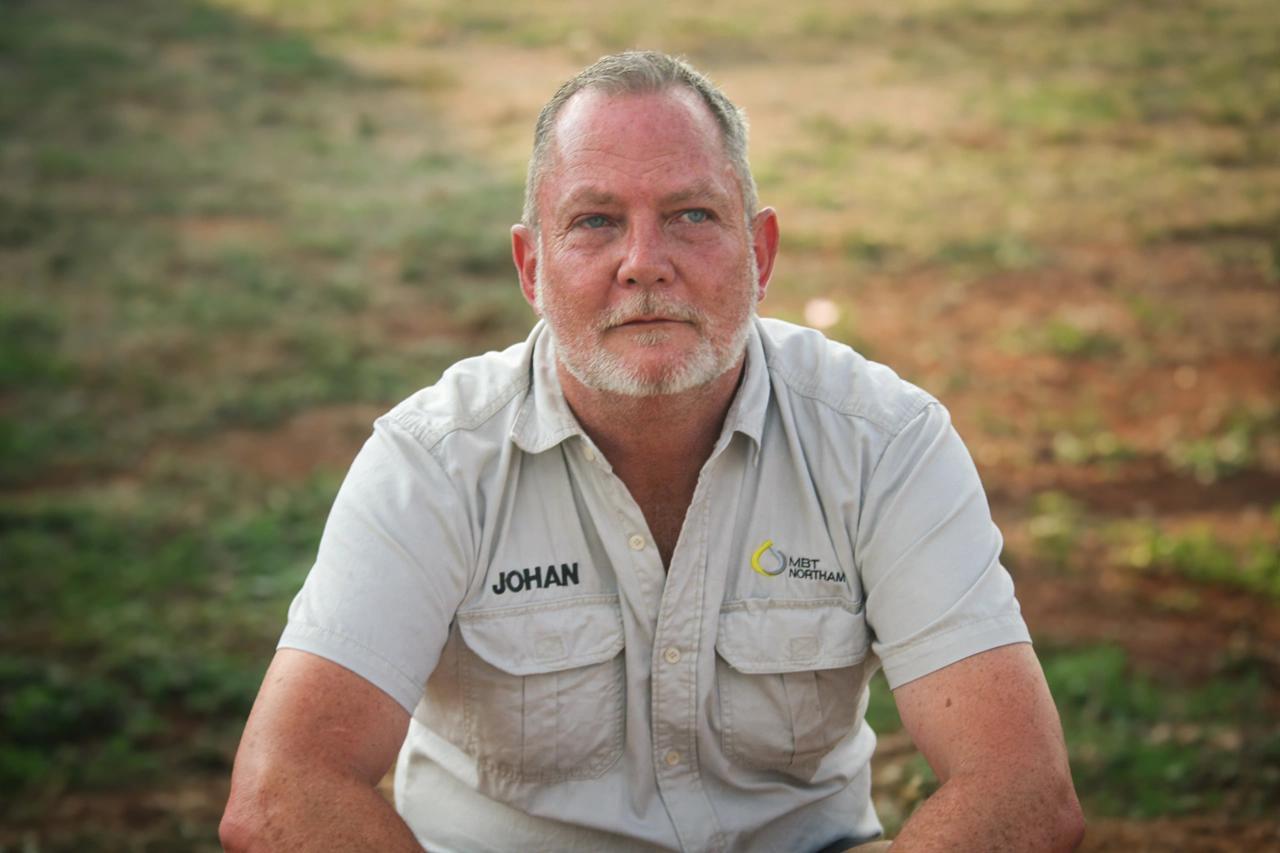
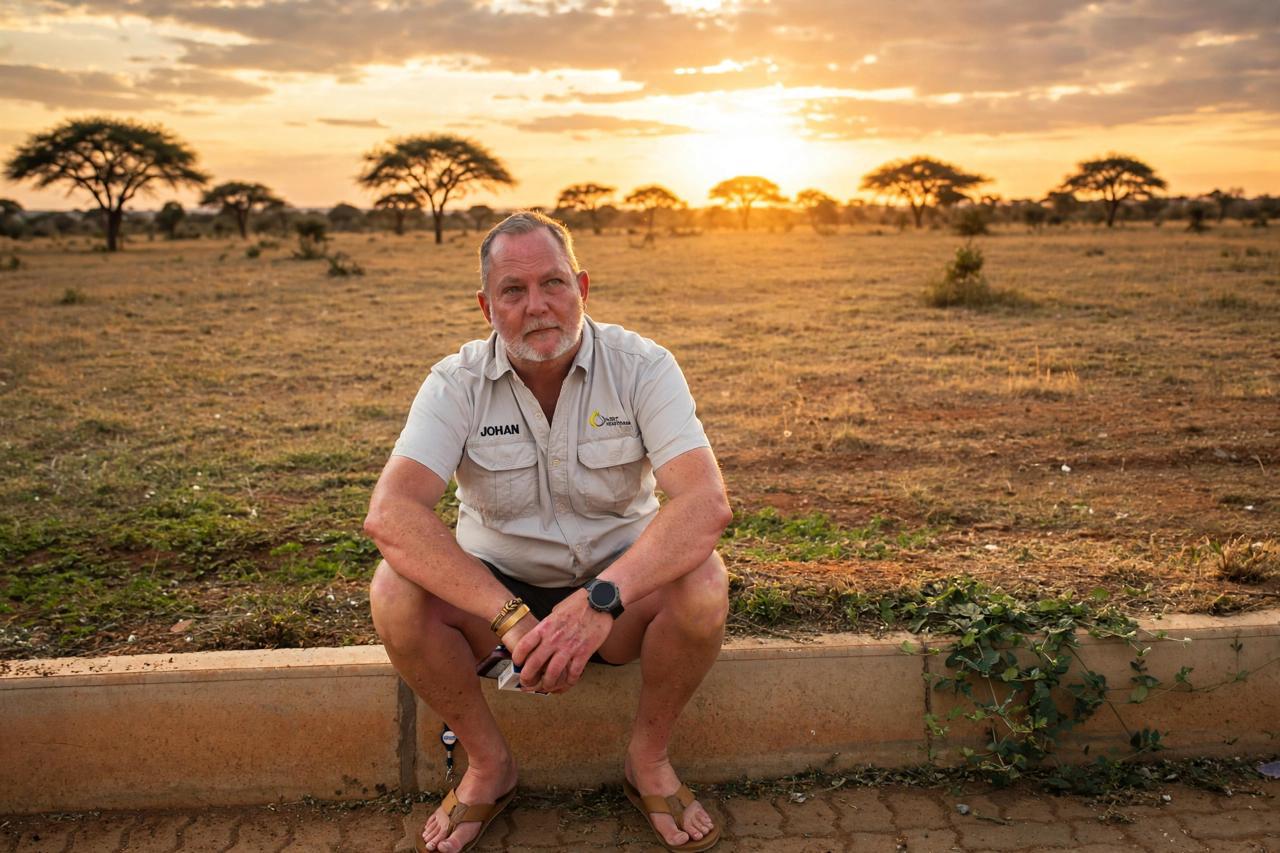
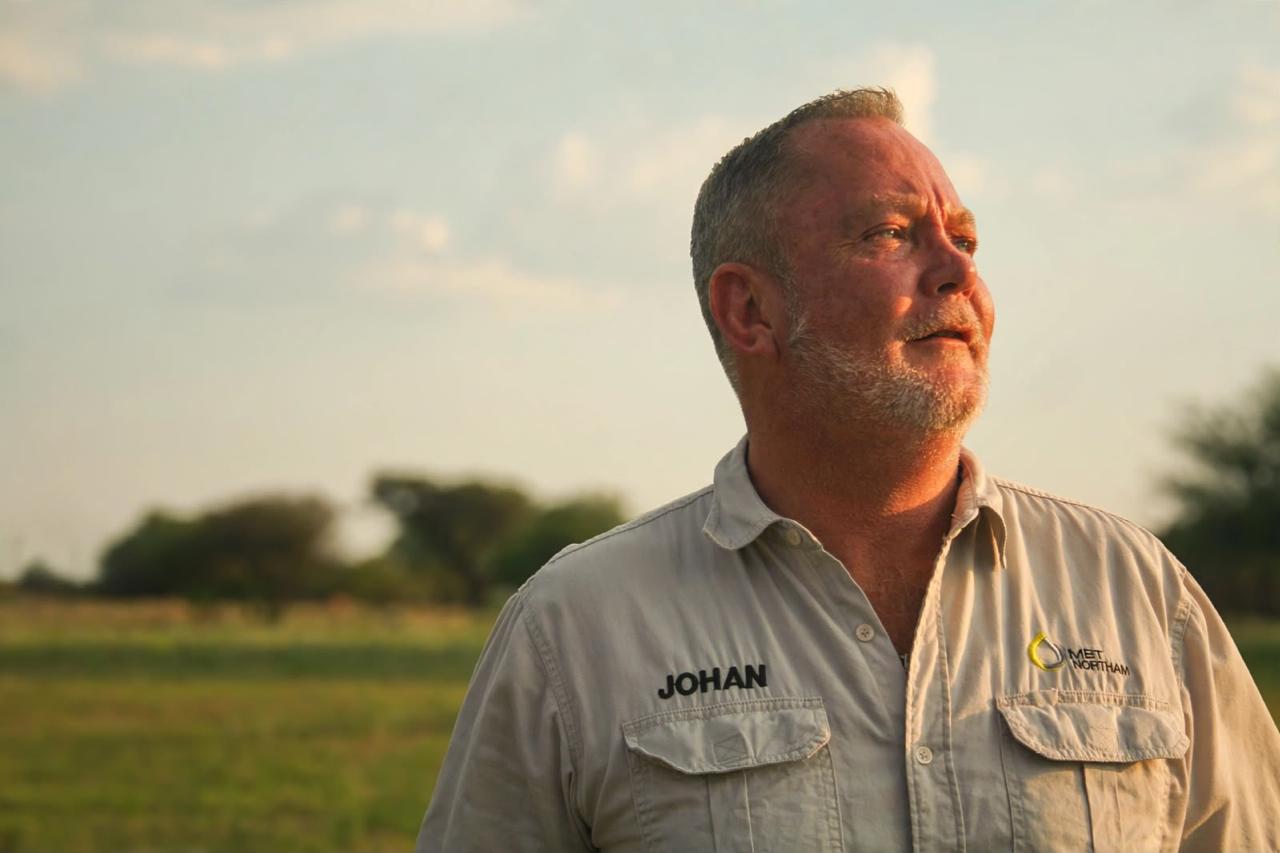
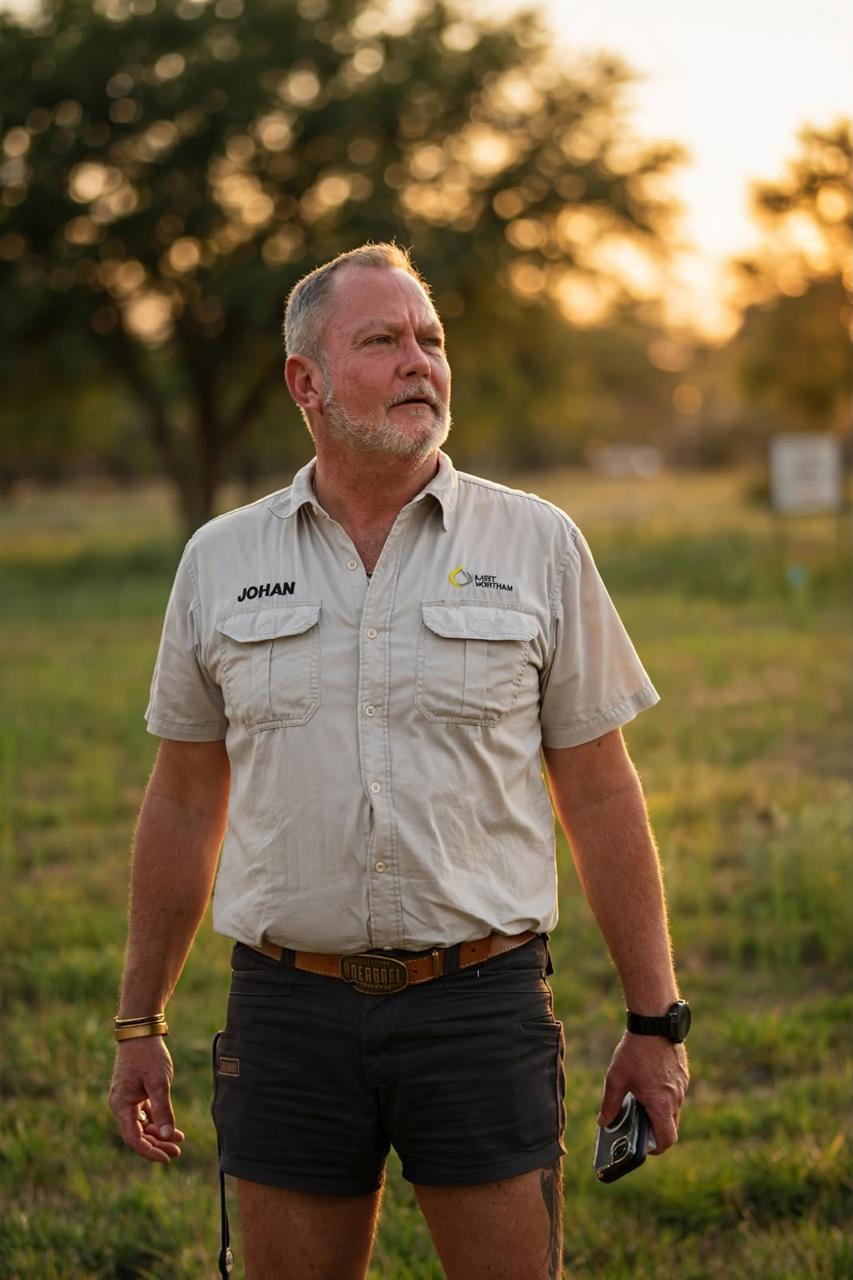
Far to the north, in a Limpopo mining town without a single traffic light, Johan Fourie greets everyone by hand and lifts his hat when he does. He is fifty, one of only two men in Northam who will say out loud that they are gay, and he has no intention of whispering it.
“At my age,” he says, “there pretty much isn’t anything to hide anymore. Please feel free to print anything I say.”
I spoke to three men in three small towns. None of them used these words, but each had spent years quietly answering the same question: can I be gay and still belong here?
I’ve lived in this country since 2003, and almost every gay story I’ve read here was set in Johannesburg or Cape Town. So when my editor in New York said yes to a story about bears where the tar ends, I knew exactly who to call first.
These are three white Afrikaner men’s stories. The platteland holds many others, Black and coloured, isiXhosa and Sesotho and Setswana, and they deserve their own telling.
Two minutes and you’re through the town.
Smithfield sits in the southern Free State, a town of perhaps three thousand people. Cobus moved there almost two years ago, from Ficksburg on the Lesotho border.
I called him Corbus for most of our conversation. “It’s not a problem,” he said, and he was very gracious about it.
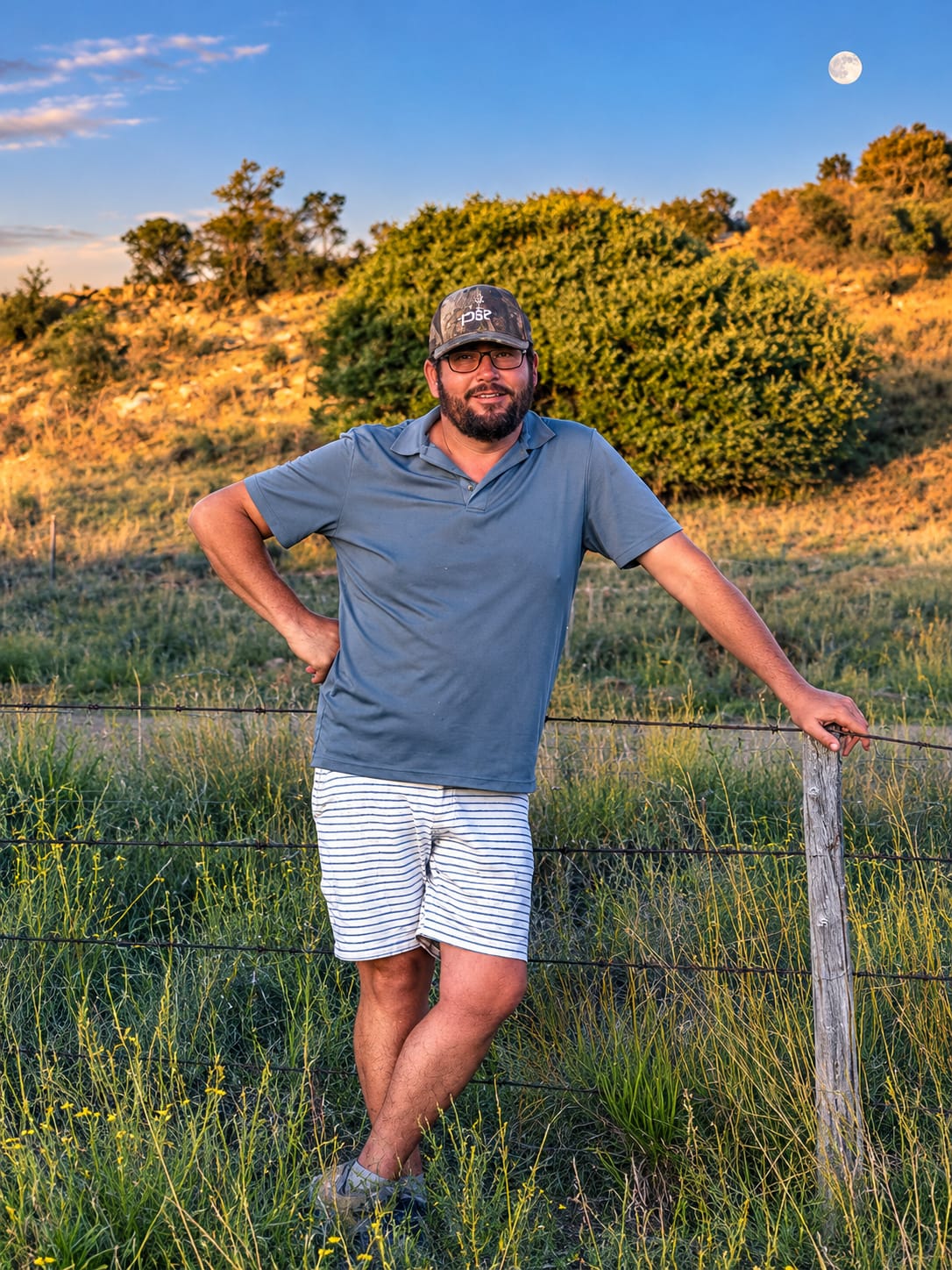
“I think it’s the smallest town I’ve lived in in my whole life,” he says. “It’s like two minutes and you’re through the town.”
Is it the kind of place where everybody knows everybody?
“Yes,” he says, “and everybody’s business as well.”
He is honest about the town in the way only a newcomer can be. Asked what he loves about it; he takes a moment. “I don’t think there’s anything I’m in love with at this stage,” he says, and then softens. “But we’re getting there. It’s actually a very inviting community. It’s actually becoming a very nice town to live in.”
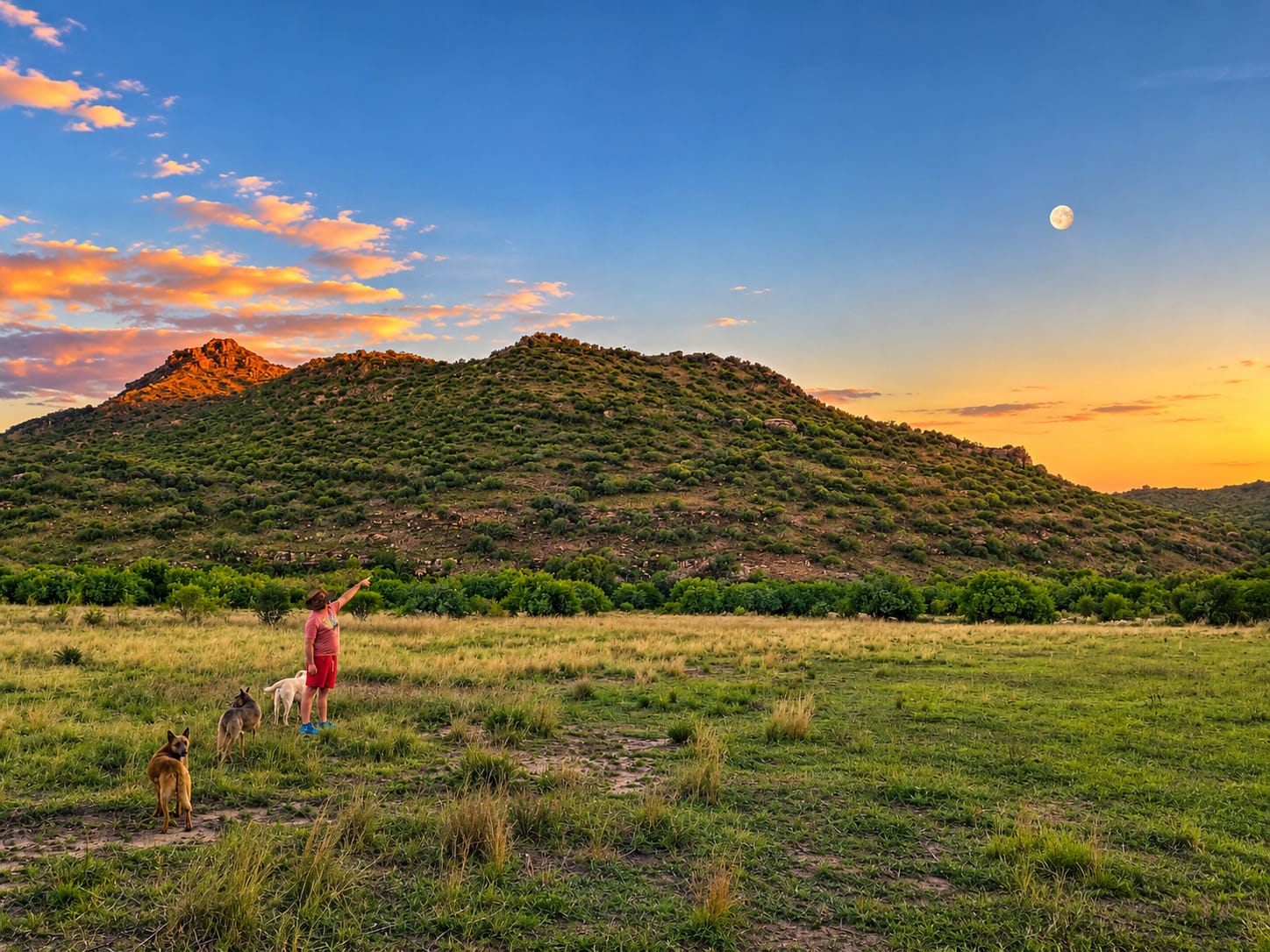
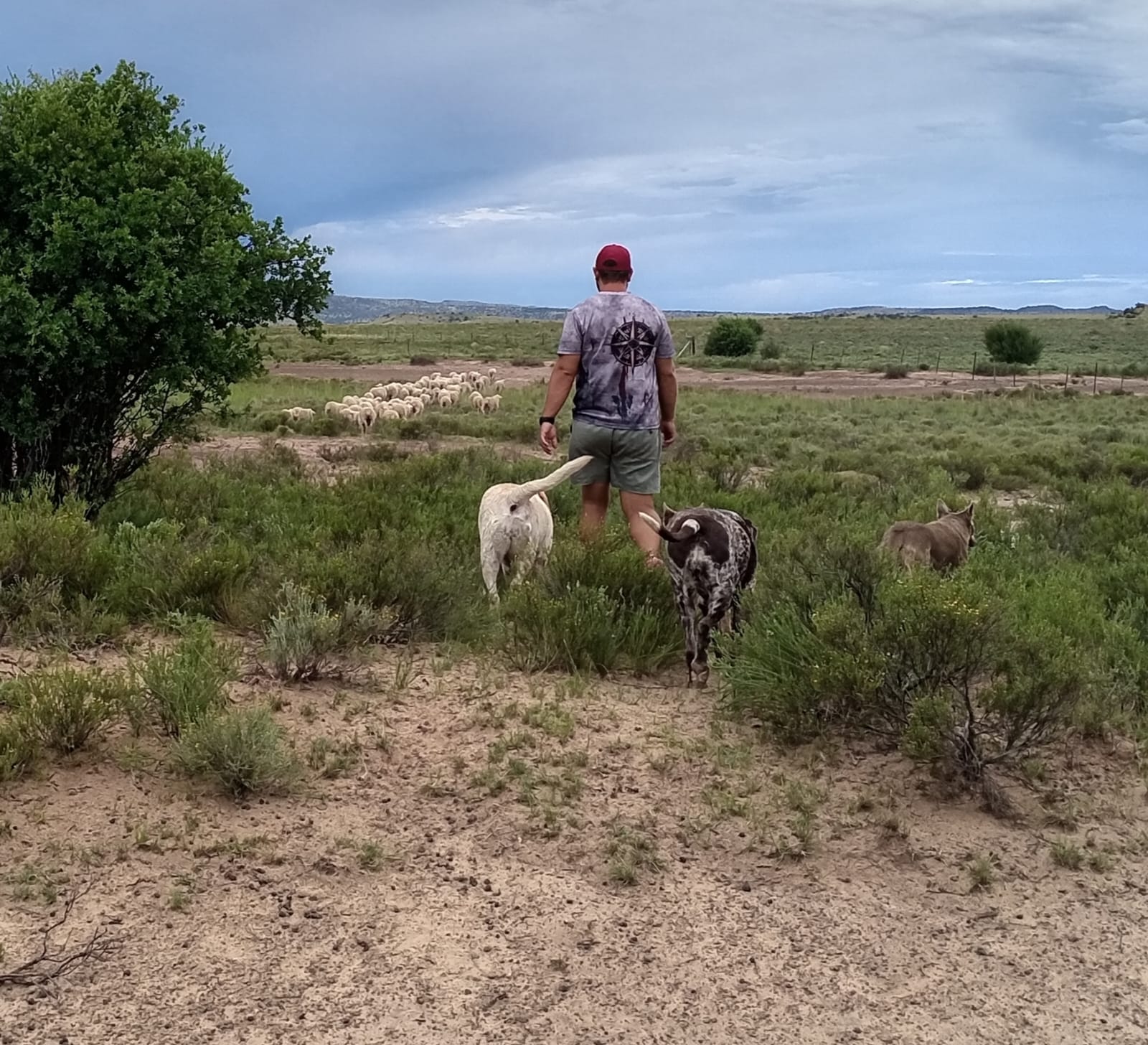
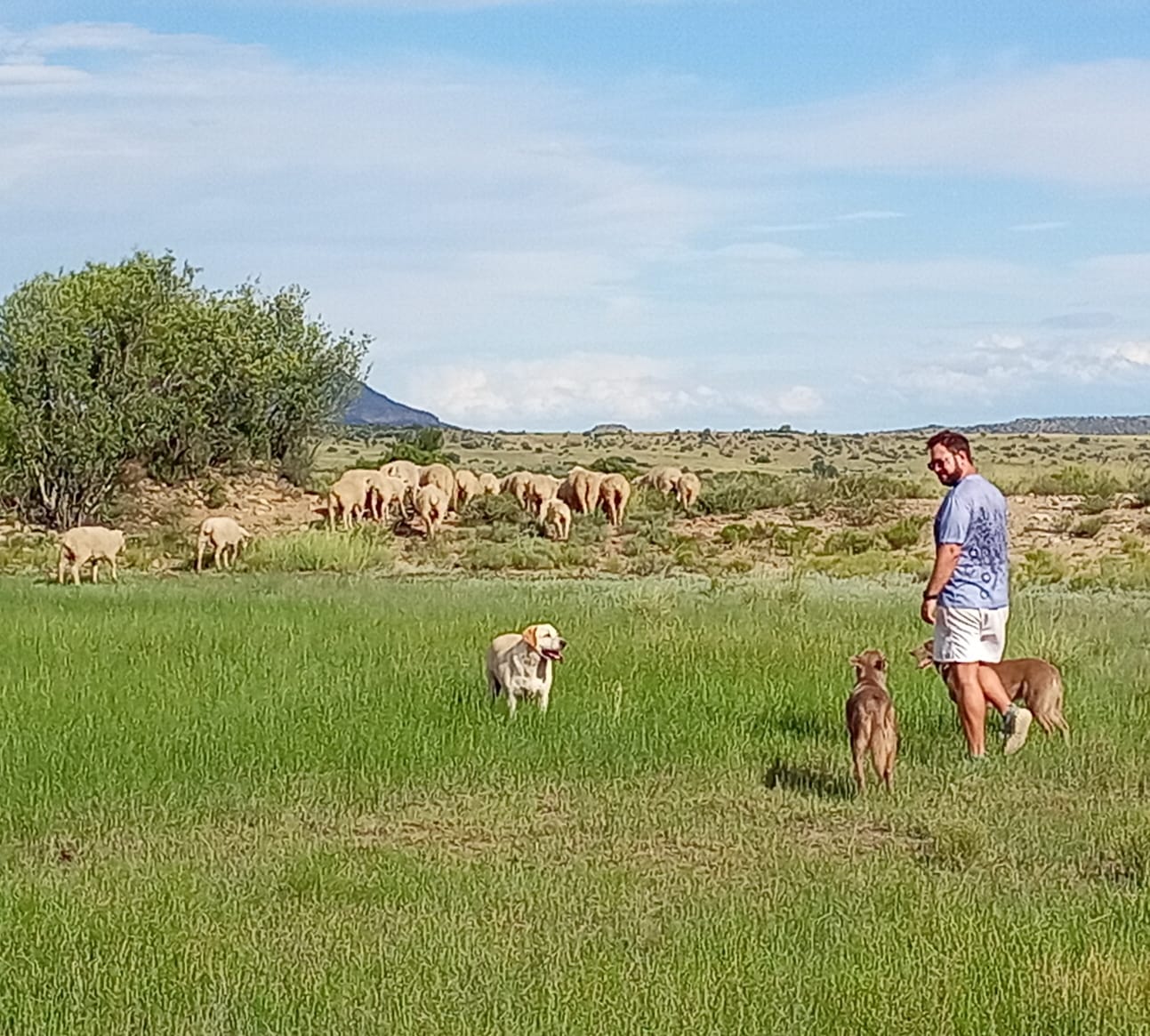
His mornings have a shape now. At seven, Cobus takes out the sheep. Then it is coffee and breakfast. The rest of the day depends on what day of the week it is, Johan explains: “There is different works for the days of the week, except if there is something important. It’s from gardening to working in the fields.” They farm sheep, fruit and vegetables.
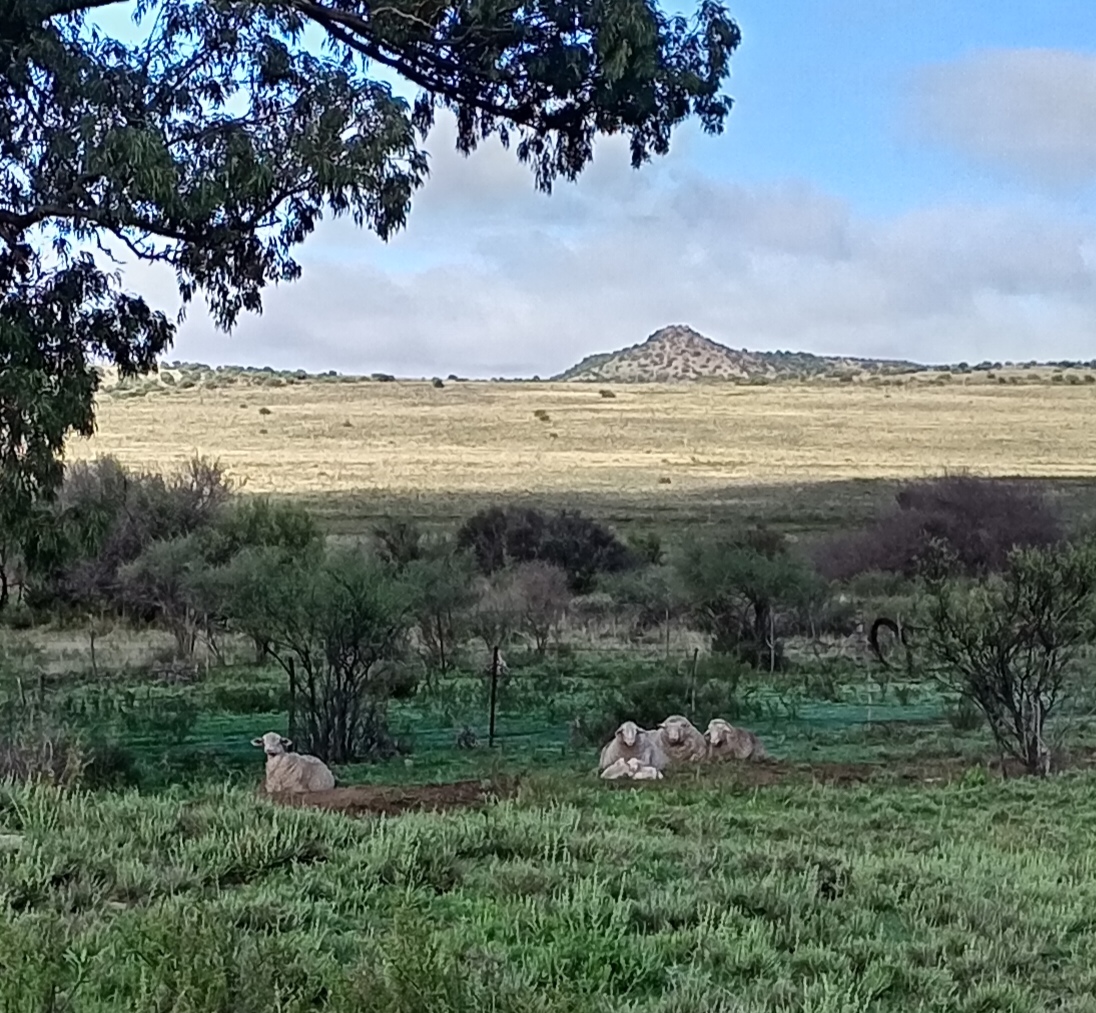
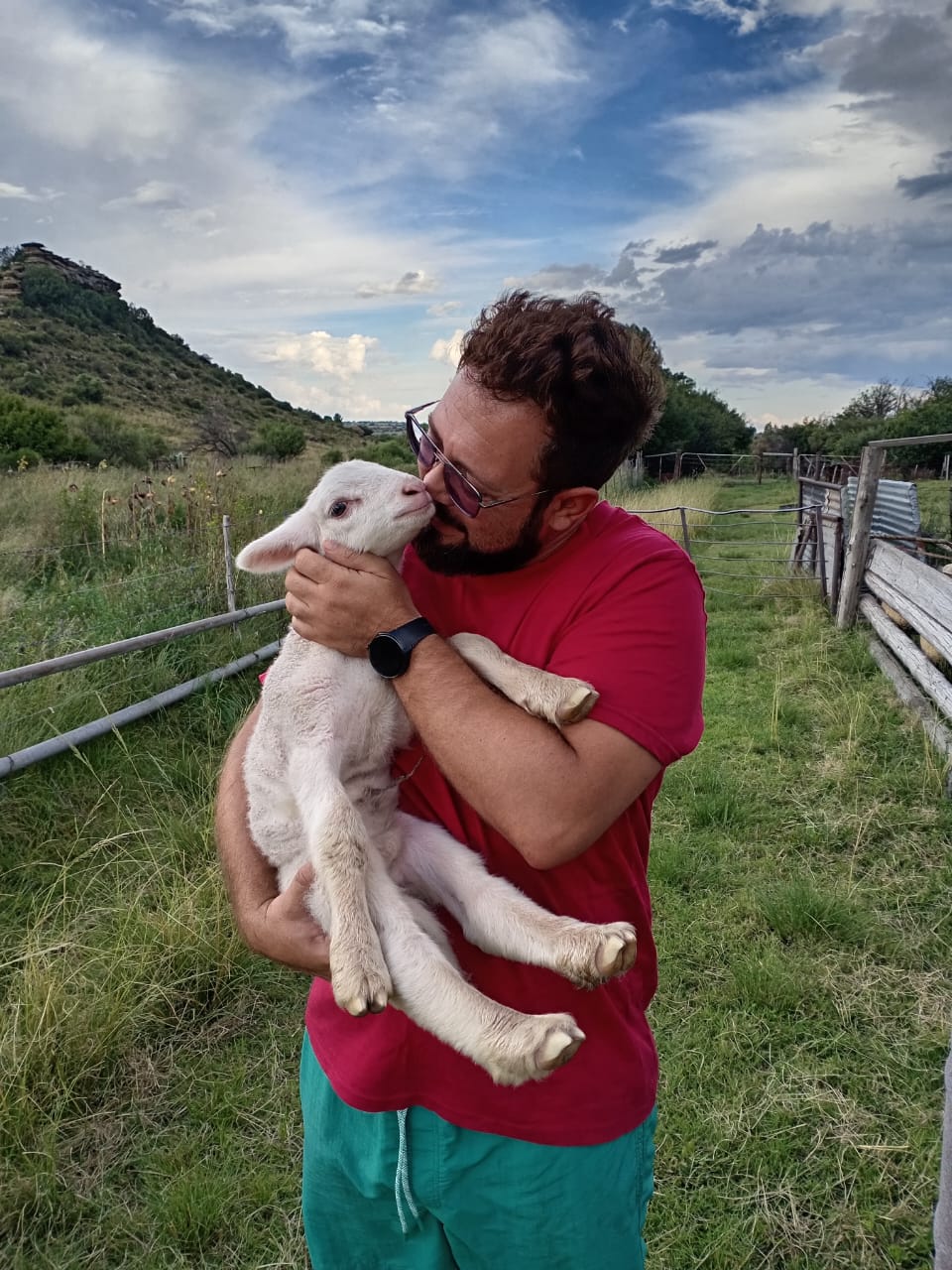
For Johan, the land is not a choice he made. It is the place he comes from. “I grew up on the farm,” he says. “We’ve been in this town, the family’s been here, like before the town was even named.”
He tried the cities. He spent a few years in Pretoria and Bloemfontein, working in hospitality. It did not take.
“I’ll never change. I’m not a city person,” he says. “The nice thing is, when I was staying in the cities, I was always in the quiet parts, or in the rural parts as well, on the farms.”
What he describes is a particular kind of solitude. “The closest person isn’t walking distance, but it feels like you have to drive hours to get there,” he says. “That’s the privacy we have here, which is not always a good thing, because you can get isolated, and you get used to it. So when you go to a function, the crowds can be too much at some point. We all joke with one another, saying our social batteries are running low. We need to get away from people.”
Isolation has a price, and on the platteland, you can calculate it. When the couple were invited to a Bearfest fundraiser in Gauteng, South Africa’s festival for gay bears and their admirers, they had to say no. “You can’t have two trips to Gauteng with December again,” Johan says. They had already added it up: twenty thousand rand (around 1200 USD) on petrol this year alone.
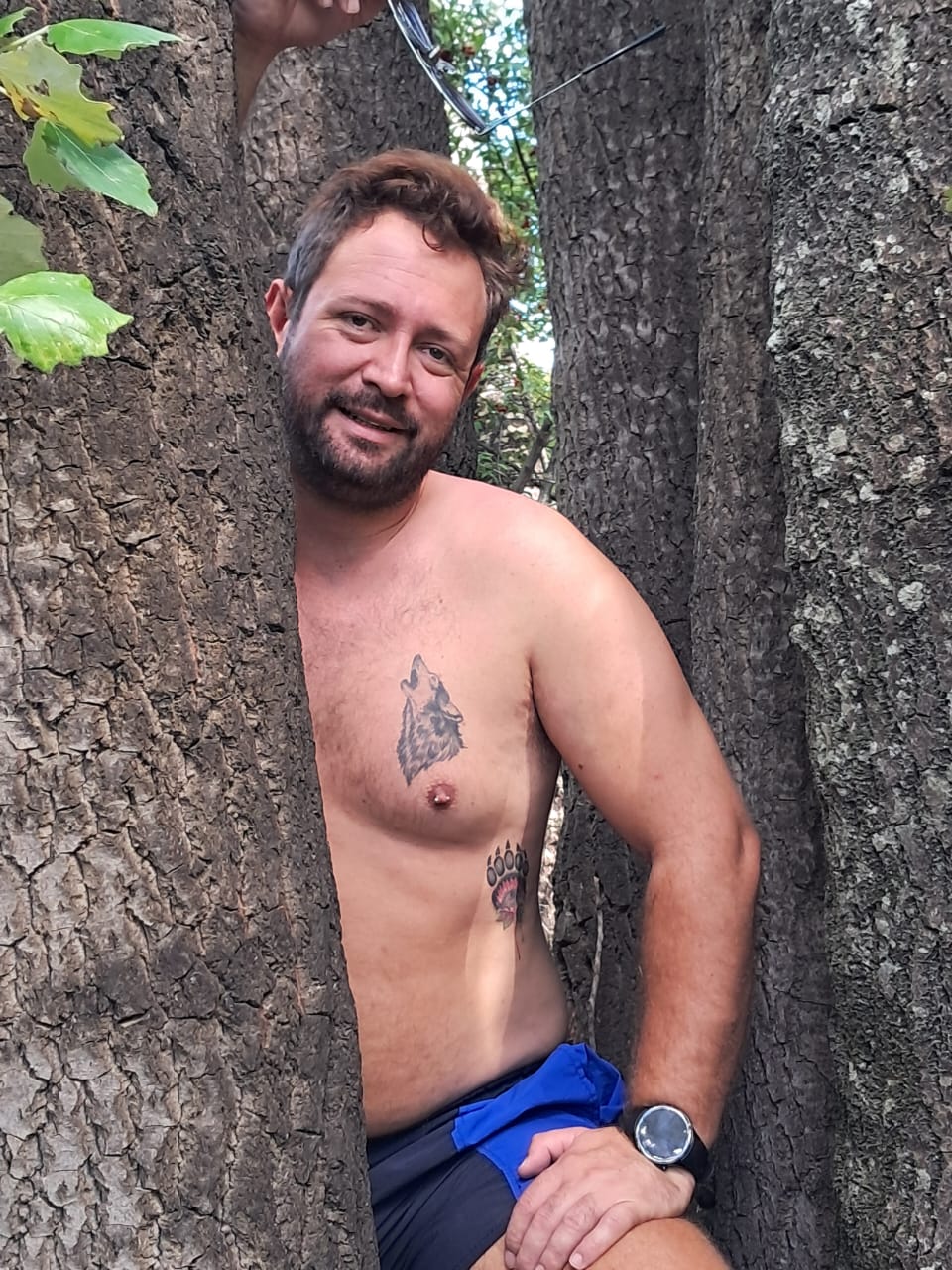
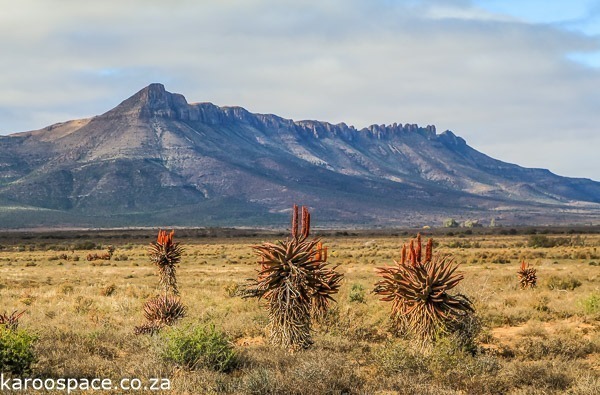
Far to the north, Johan Fourie lives in a different landscape but a similar quiet. Northam, in Limpopo, exists mainly for the mines around it.
“We do not have any traffic lights in the town, and the highest any building reaches is a mere double storey,” he writes. On one side of town is a shopping complex: a grocery store, a KFC, a Roman’s Pizza, a few clothing shops. On the older side are small shops, the police station, the court building, “and of course a number of liquor shops.”
“Really not much to see or get excited about,” he admits. “When people pass through, I often get asked why I choose to stay.”
His answer is the bushveld. “Sunsets and sunrises are some of the most unique and beautiful things I have experienced in my fifty years of living.” And it is the people.
“Here you greet everybody by hand, and you lift your hat when you do so. Elders are shown respect, and children still play in the dirt outside. When you go to the local pub, of which there is only one, you can be sure you are going home tipsy, because everybody gets a turn to buy for everybody.”
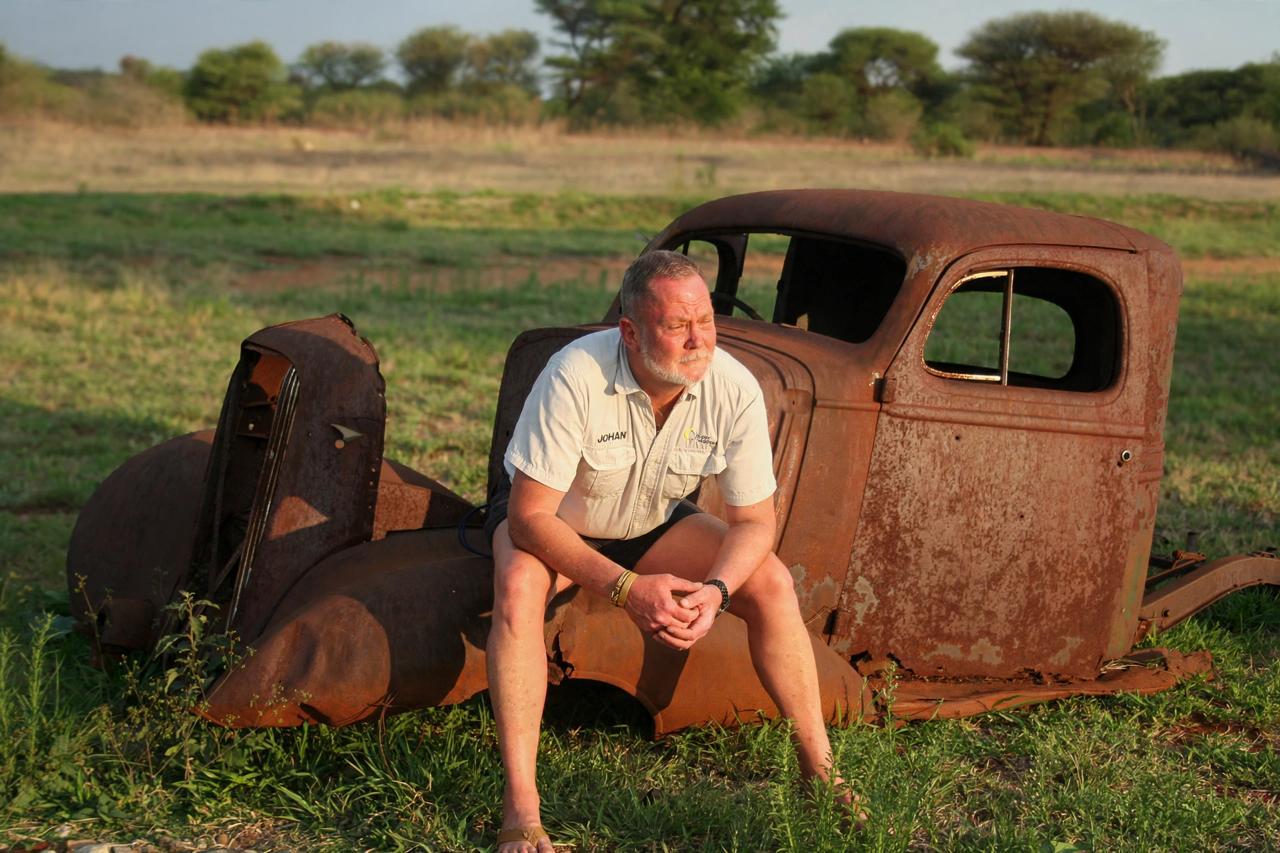
He remembers the day he came back. The removal truck arrived at two in the afternoon. The house was only vacated at seven that evening. For five hours, everything he owned sat on the grass outside while he waited.
“It didn’t take me long to realise that I had forgotten how peaceful, quiet and how clean the air was.”
“It only hit me then that I had forgotten how off the beaten track Northam was,” he says, “when I noticed the one bar of signal on my cell phone.”
| SIDEBAR Welcome to the Platteland Platteland (PLAH-teh-lunt) is Afrikaans for “flat land”. South Africans use it for the rural heartland: the farms, small towns and open country far from the big cities. It isn’t a region on any map. It’s the part of the country where the tar runs out, the next town is an hour away, and everybody knows everybody’s business. BY THE NUMBERS 3,000 roughly the population of Smithfield, where Cobus and Johan live. I live in Pretoria, and I thought that was quiet! 300 km the distance between Cobus and Johan when they first met on Grindr R20,000 (around 1200 USD) what the couple spent on petrol this year just to stay connected. I did the maths for my own trips to Johannesburg and decided not to complain again. 0 traffic lights in Northam 1 pub in Northam, where the Tuesday livestock auction is held 2 men in Northam who openly say they are gay 351 members of Johan’s WhatsApp bear group, from Kruger to Cape Town and Namibia A FEW LOCAL WORDS Bakkie – a pickup truck, the platteland’s essential vehicle Bushveld – the hot, wooded savanna of the north, including Limpopo Free State – the farming province in the country’s heart, home to Smithfield and Fouriesburg Gauteng – the province of Johannesburg and Pretoria, the “big city” in this story Dutch Reformed Church – the traditional church of Afrikaans communities, often central to small-town life Rand (R) – South Africa’s currency. |
Always knowing
I asked each of them the same question I’ve been asked many times myself: when did you know?
For Johan Fourie it was nine or ten. “I started questioning why I felt uncomfortable around girls and had no ambition to get a girlfriend,” he says.
“I was also different to the other boys, in that I was not interested in the sports they played or the hobbies they would have.”
He grew up in a conservative Afrikaans home and a strict Dutch Reformed church, where there was no language for what he felt.
“The meaning of the word gay, translated, meant happiness,” he says. “The actual word homosexual did not exist in our household. Sexuality was never up for discussion.”
“As I developed and matured into a young man, my questions became more and more, with less and less answers, explanations, or anybody to ask about it.”
For Cobus it came in fifth or sixth grade, at twelve or thirteen. “I think I knew at a very early stage that I was different,” he says. “It felt quite strange. It felt like there was something wrong with you, being different than the other kids.”
The internet helped. It “did play a big role in wanting to know more,” he says. But knowing more did not mean telling anyone. In a small community, he says, “you never let anybody know you were gay. So you had a very private life.”
Was he bullied?
“Not really, because I don’t think I let anybody in to let them know I was gay,” he says. “There wasn’t any bullying. I just never had any girlfriends when I was in school. So yes, we avoided that part.”
It sounds like a lucky escape. Cobus doesn’t see it that way. “I think it was quite difficult,” he says. “Not being yourself. Not loving who you want to love.”
Johan’s school had sixteen pupils in his class. In a group that small, there was nowhere to hide. “The judgements are really, really, really high,” he says. “Especially if you’re in the academic high group, the top five or something. All eyes are on you. But I think people around me knew before I did.”
His family belonged to the Jehovah’s Witnesses. “There it’s a big judgement regarding that,” he says. “So self-acceptance is the big thing, when it’s labelled as wrong, or as sin.”
And this, he says, is where the city and the platteland part ways.
“In the cities it’s easier, because you don’t even know who your neighbour is. But here in the small towns, where everyone knows everyone and everyone is family of everyone, it’s a bigger problem. So you hide it from other people and from yourself, and you start living a double life.”
The damage, as he sees it, is different too. “It causes problems, especially mental problems,” he says. “In the cities you get depression because people think you’re not good enough. Here you get depression due to self-judgement, and not living your true self.”
Then, almost in passing, Johan told me something that stopped me. He didn’t pause.
“My father is eighty-one this year. I’ve never come out to him. I think they might expect it, but I’ll never confirm it to them, due to the beliefs and all that.”
The farm, the family, the name
I grew up in a family and a culture where duty to the family came first, so I understood what Johan meant straight away.
“Especially if you’re part of a historical family,” Johan says. “There are certain expectations. You need to reproduce, carry on the name, everything and all that. And it’s expected. They don’t even take your viewpoint into consideration. They just decide: this is how it’s going to happen.”
“Especially here in the Free State and the smaller places, a lot of children don’t even decide for themselves; the parents decide. Once you finish school, you have to go and do this. So that freedom is a lot less here than it is in the cities.”
Johan did what was expected. He married.
“So you try to live the life that was created for, or expected of, you,” he says. “Which I feel is a sad thing, because it’s quite normal in the rural parts, on the farms.”
He sees the same life being lived by other men, every day, on his phone. “If you go onto the dating apps, you’ll get the silent or the faceless profiles. You get body pictures and stuff like that,” he says. “When you start to chat with someone, you can get to the point where you actually say, ‘But I know this person. He’s married.’ And that’s the double life they live.”
“Especially when they say they’re going to the cities,” he adds. “A city becomes a getaway.”
Johan Fourie has watched the same pattern from Northam’s one pub. The mines bring a steady stream of contractors through town, and the contractors bring their own arrangements. “They find it a lot easier to stray when they are away from home,” he says, “so there is always the possibility of a one-night stand or hookup.”
Cobus thinks there are many more men in his part of the world who will never say a word. “I think a lot,” he says. “I think there’s a lot of people for whom it’s difficult to come out in smaller communities.”
For some, he says, it is about money as much as morality. “If you’re in a work situation or a business, they’re afraid to come out and be judged. Even their businesses might take a knock because they’re gay.”
The law says otherwise, of course. South Africa’s constitution protects them. Cobus knows exactly how much that counts for in a town where everybody knows everybody’s business.
“That’s something nobody can protect you from.”
Three hundred kilometres on Grindr
I came of age in Delhi in the early 1980s, long before the internet. Being gay was illegal in India then, and for a long time I never imagined I could live a life like anybody else’s, with a man beside me. I asked Cobus how men find each other out here now.
“I think the most used app in South Africa is Grindr,” he says. “That’s one of the ways I meet men.”
Another man I spoke to once checked the app and found the nearest profile 145 kilometres away. Cobus laughs at that. “Me and Johan actually met like that,” he says. “He was, I think, about 250 or 300 kilometres away. It’s quite difficult in the platteland to meet somebody.”
Even when you do find someone, you often can’t see him. Profiles are faceless; pictures are of torsos, trucks, sunsets. “Usually, I have to ask for face pics,” Cobus says.
Johan Fourie’s town has a simpler census. “As far as gay men are concerned, we are only two that openly admit to it,” he says. “The town however is infested with lesbian women. Go figure.”
He has his suspicions about a few of the locals. “But in a small town like this, you rather just leave it alone.”
Asked whether he’s lonely, he doesn’t pretend. “It does get lonely at the best of times, and one longs for human touch and interaction,” he says. “But I stay positive, and if it is destined to be, the right one will be sent my way.”
“In the interim I just keep my eyes open and shower the contractors with friendliness and good conversation. LOL.”
Coming out at thirty-nine
Three years ago, Cobus Botha decided he was done pretending.
“I decided it’s time to come out, be who I am, not pretend anymore,” he says. “I got to that stage that I didn’t care what people think.”
Nothing in particular prompted it. “I think I just made the decision on my own. I just decided it’s time to live my life as I want to live.”
What surprised him most was how little anything blew up. “My family are actually quite supportive,” he says. “And friends, those who know, are quite supportive as well. I must say, I really did have one of the better coming-out stories.”
Was he surprised?
“I don’t really think it surprised me,” he says. “If I came out earlier, my parents would still be fine with it, as they are now. It doesn’t bother them at all.”
So why wait until thirty-nine?
“I actually think it was one big part of the reason why I came out so late,” he says. “It’s the small communities. What people will think and say.”
He could have stayed quiet. He knows that. Could he have lived his whole life in that community without ever coming out?
“I think so, yes,” he says. “I think so.” Then he adds the line that sits at the heart of this story.
“You’re never the person that you’re meant to be. There’s always something holding you back. Holding you back.”
And coming out, he has learned, is not a single event. “It’s never only just once that you’re coming out,” he says. “You have to do it over and over again.”
Johan Fourie’s moment came much younger, and much louder. In his final year of school, he entered what he calls his rebellious phase. “I openly started admitting to people that I was different in my sexual preferences,” he says. “I took up smoking and started experimenting with alcohol.”
He went to a gay club “when it was still illegal, back in the day,” and saw two men kiss for the first time.
“The way that it had excited me, I knew that this was me. At that moment I experienced some sort of a relief that cannot be explained in words.”
How did it feel? “There were so many emotions involved,” he says. “I was confused, yet I knew. I was angry, but extremely happy at the same time.”
Faith
In almost every rural story I’ve heard, faith comes up sooner or later, whether it’s the Dutch Reformed Church or something else. These three were no different.
For Cobus, the message he grew up with was simple. “You were told that it was wrong,” he says. Over time, he came to see faith as something that is “not supposed to be that big a part of your life.”
His view now is blunt. “I think the world is making faith such a big thing that on more fronts it is creating more problems in the world.”
Johan went further, and he went there first. A curious man by nature, he started reading. “I did a lot of studying into religion,” he says. “So I changed my whole religious perspective before I changed my own mind about my sexuality.”
“You can ask the question why, or how, too many times,” he says. “I don’t think I am a Christian anymore.”
He traces the change partly to his marriage and the rules he lived under.
“So I started asking questions about everything. And the moment you start questioning everything, you start getting answers, if you are asking the right questions. And then it was a snowball. The one thing led to the other.”
Johan Fourie, raised Dutch Reformed in a house where the word homosexual did not exist, has arrived somewhere else entirely.
His advice to a young man on a farm today ends with this: “Find faith and stand strong therein.”
Cobus and Johan
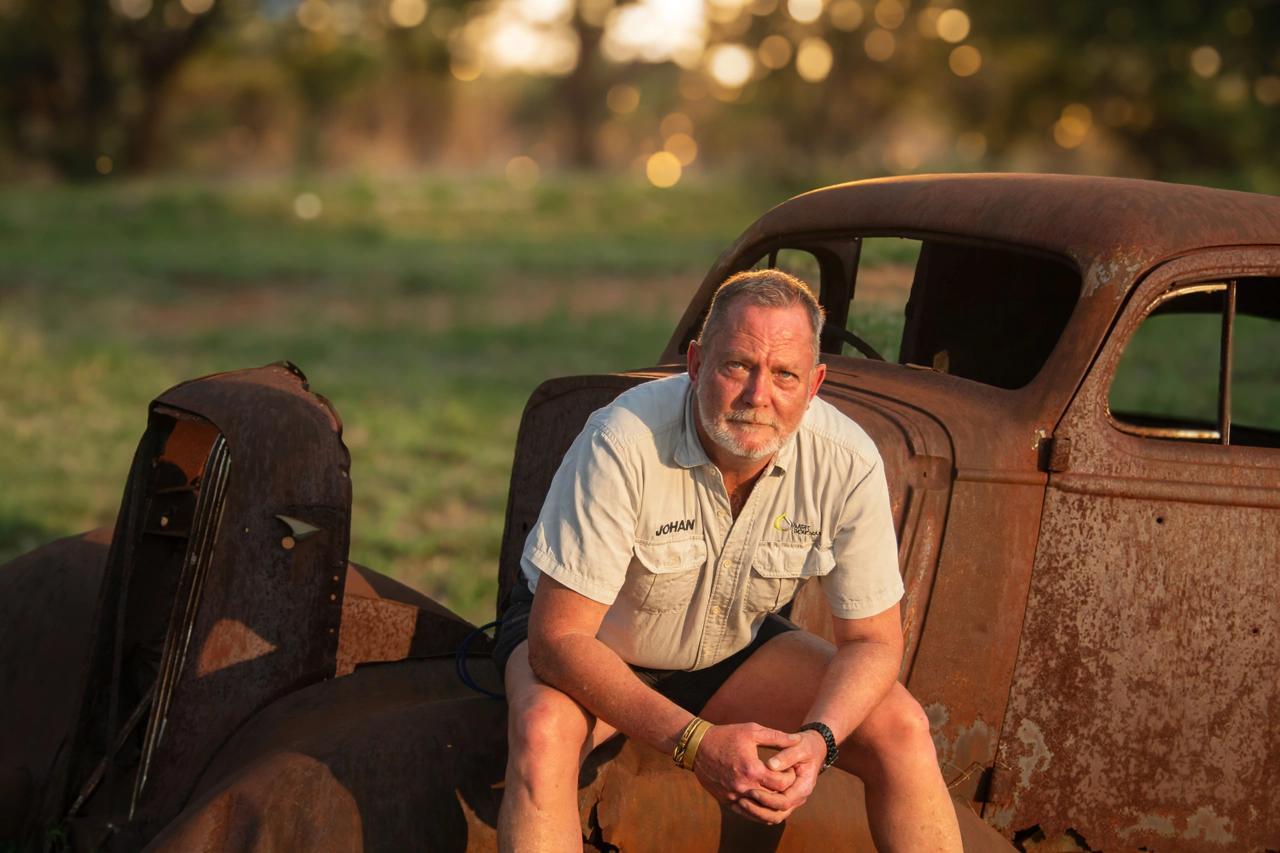
Cobus had lived alone for thirty-nine years when he moved in with Johan. Anyone who has ever moved in with a partner will smile at what Cobus said next.
“I think it’s very much different, getting used to another person being in your space all the time,” he says. “Especially after thirty-nine years not living with somebody. So yes, that’s quite difficult.”
Have they faced trouble as a couple?
“I don’t really think we’ve faced any obstacles,” he says. “It’s people’s opinion. We just try to ignore it.”
Johan says much the same. “Not really. You sometimes get that smart comment, but that you can just ignore.” What has happened is quieter. Some people who used to be part of their lives have withdrawn. “They go silent,” he says. “But with that, you learn who’s the real people in your life, and the rest you ignore.”
I asked if they had ever felt physically unsafe. Johan didn’t hesitate.
“Have you seen me and heard me? Who will dare to do something?”
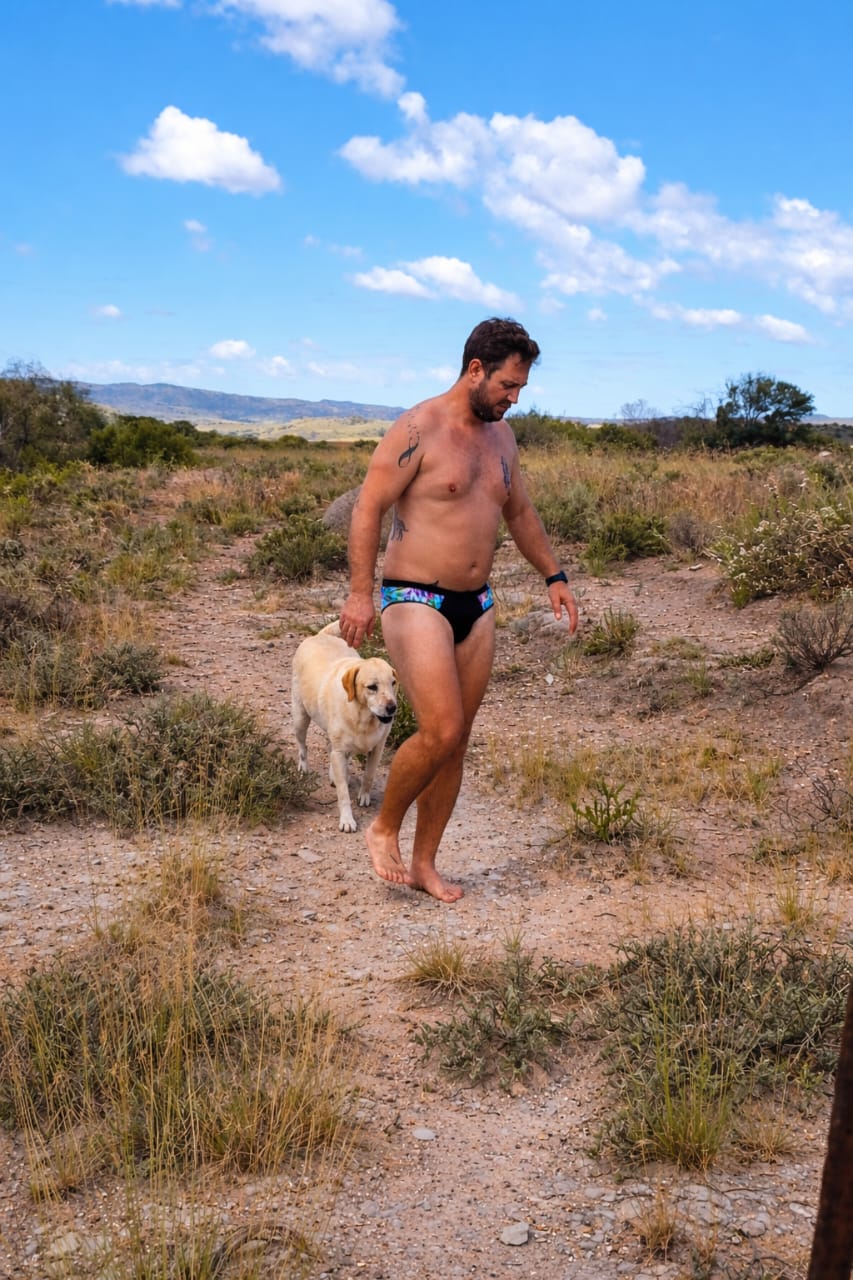
On a quiet evening, once the work is done, they relax and watch TV. Last year Cobus went to Bearfest, for the first time, with Johan. It was the first time he thought of himself as a bear.
“Yes, I do,” he says, when I ask whether he does now. When did the word start to mean something? “I think much later,” he says. “I think the first time I saw myself as a bear was last year, when I went to Bearfest for the first time.”
This year he went to Pride for the first time too. “It was actually very nice,” he says. “It was a nice day.” It was also very hot, but then so is Smithfield. “I think we are used to the heat.”
A place to go
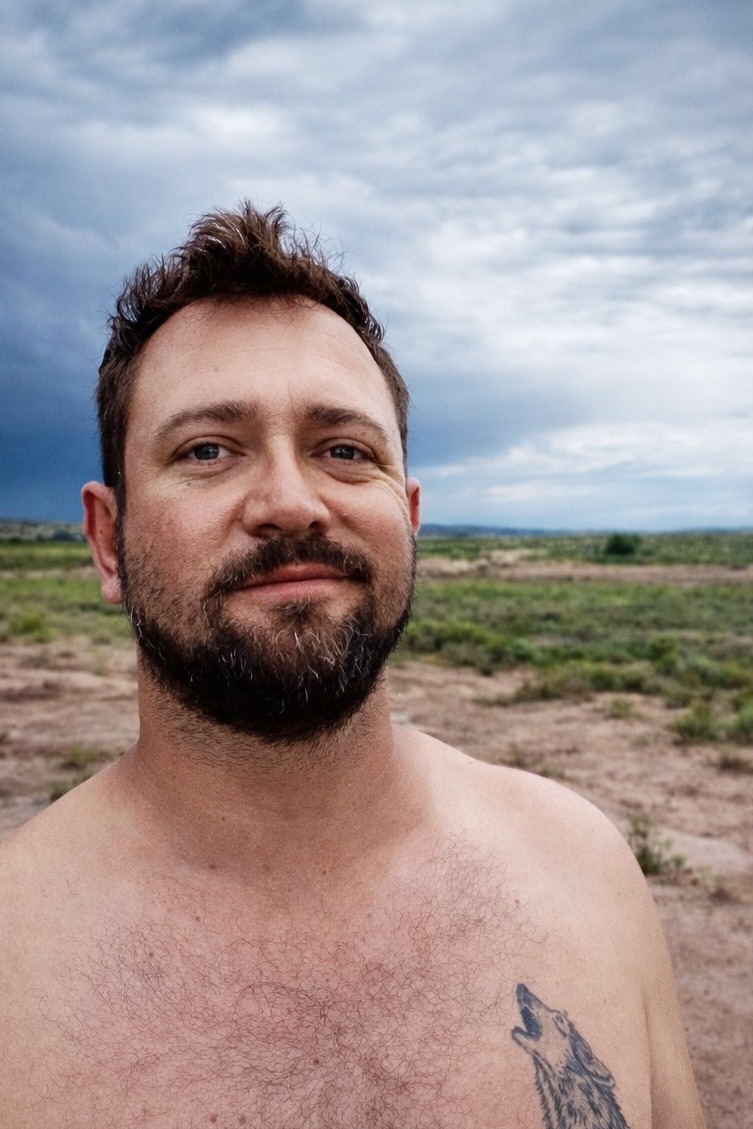
Johan never planned to become anyone’s mentor. “I didn’t expect it at all,” he says. “I’ve always been in hospitality, so creating events and helping people come together was always part of my life. I also studied education, so I was always telling other people what to do and how to do it. And that didn’t change.”
The young men find him anyway. “I’m actually talking to a lot of them at the moment, as a mentorship,” he says. “Even today there was one who contacted me and said, ‘I’ve got problems.'”
“They get lonely. That’s the main thing.”
He started a WhatsApp group for bears. It now has 351 members, stretching from the Kruger National Park to Cape Town, into Namibia, and out to men working seasonal jobs overseas. Johan reckons about half are from the platteland. “We receive messages basically on a daily basis,” he says. “Yes, we do have the troublemakers, but it’s easy. I just remove them.”
The group answers a need that, out here, has no address. I asked whether there was a place locally that everyone just knows is safe: a guesthouse, a bar, a back room.
“Unfortunately, not. Not that gay is the problem. The lack of a place to go to is.”
In the cities, Johan says, gay spaces tend to come with expectations. “Everything is sexually oriented, so they expect you to go there for that. And a lot of people are scared of the label.”
So he and Cobus are building something. On the farm, as their finances allow, they are putting in a campsite.
“We want to create that safe space getaway,” Johan says. “So that when you need a break, or someone to talk to, there is an option.”
Things are changing, he believes, slowly. “The judgement of the church is losing its grip on the mentality in South Africa,” he says. “So I think it’s becoming easier. Social media as well, and cell phones, are helping people get to the point where they say, ‘We don’t care anymore. I’ll be myself.'”
“Yes, it might be seen as wrong to think of yourself first,” he adds. “But I think it’s like that saying: you don’t have to give an excuse to say no. We need to start thinking of ourselves more in a positive way.”
Part of what needs to change, he says, is simply time. “I think it’s a generational thing that needs to die out.”
To the boy on the farm
I asked two of them the same question. Picture a young gay man living on a farm today. What would you say to him?
When I asked Johan what he’d tell a young man on a farm, he didn’t really give me a sentence. He told me about the WhatsApp group, the lonely messages that arrive almost daily, and the campsite. I think that is his answer.
Johan Fourie answered me in writing, and you can hear fifty years in it.
“Find inner peace within yourself, and realise that you don’t have to prove yourself to anyone for their approval.”
It is the same peace he describes in his own life now. “I owe nothing to no one,” he says, “and I also do not have to prove myself to anyone. It was a bit of an adjustment for many of the locals to make peace with the idea that someone can openly admit that they are gay and be comfortable with it. But time and community has brought us together.”
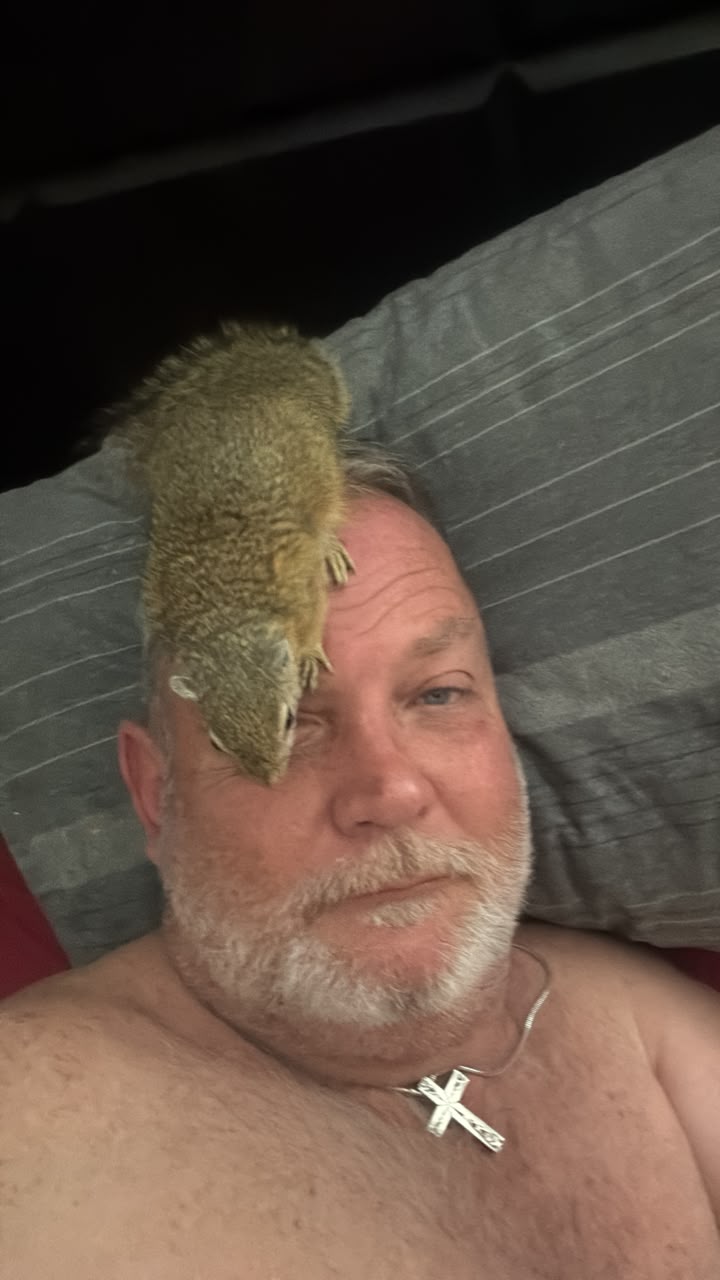
The loneliness has not disappeared. It surfaces, he says, on his late mother’s and brother’s birthdays, or on the anniversaries of their deaths.
Sometimes it is “when I’m just alone at home and some scene on television sparks some feeling of loss.”
Every Tuesday, the livestock auction is held at Northam’s only pub. Johan Fourie does not need much of a reason to go.
“Tuesdays in Northam are always good days,” he says. “You can be guaranteed there will be faces around to have a drink with.”
When I closed my laptop, I kept thinking about those Tuesdays. Maybe that’s what belonging looks like out here. Not a parade. Just a face across the bar.
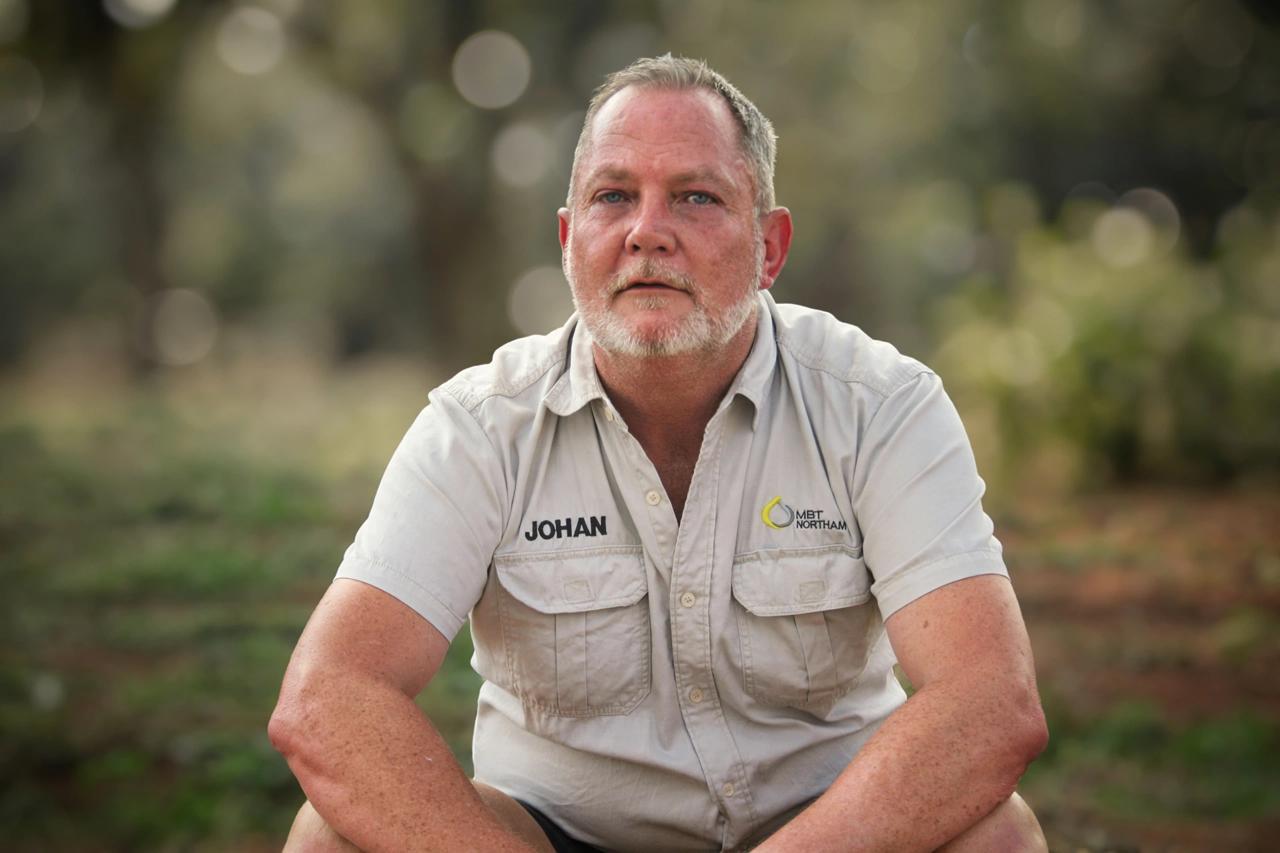
| SIDEBAR A Field Guide to the Platteland Bear With apologies to every nature documentary, I watched growing up THE SEVEN O’CLOCK SHEPHERD (OVIS COBUS) Found in the southern Free State. Rises early, takes out the sheep at seven, then coffee and breakfast. Came out at thirty-nine; the family took it in their stride. Discovered at his first Bearfest that he is, in fact, a bear. THE HOSPITALITY BEAR (URSUS HOSPITALIS) Native to old family farms. Runs a 351-strong WhatsApp herd, removes troublemakers without ceremony, and is building a campsite for strays. Has never been seen in a city for longer than necessary. THE BUSHVELD HAT-LIFTER (URSUS BUSHVELDENSIS) Habitat: mining towns with no traffic lights. Greets by hand, lifts his hat, buys his round. Can be spotted at the Tuesday livestock auction, showering contractors with friendliness and good conversation.he country’s heart, home to Smithfield and Fouriesburg |
EXTRA: The Official Dish of the Platteland Bear
Bobotie is spiced mince under a golden blanket of egg: tough and brown underneath, soft and creamy on top. Much like the men in this story. It feeds six to eight, which out here means two bears and the neighbour who happened to drive past. Serve with yellow rice, a spoonful of chutney, and absolutely no questions about who’s staying the night.


