The Playbook of Joshua: An interview with the Joshua Schubart by Phil Clements
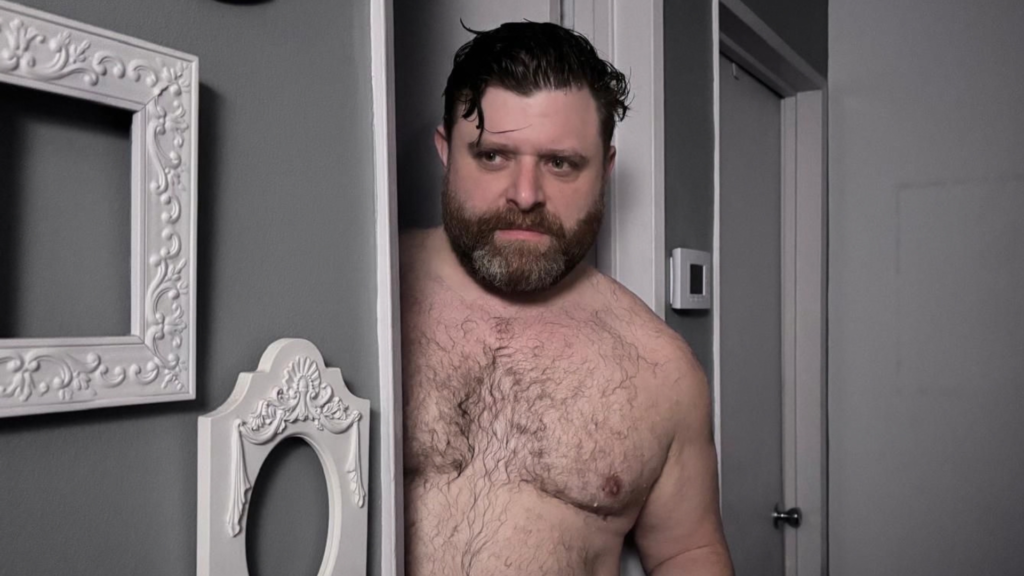
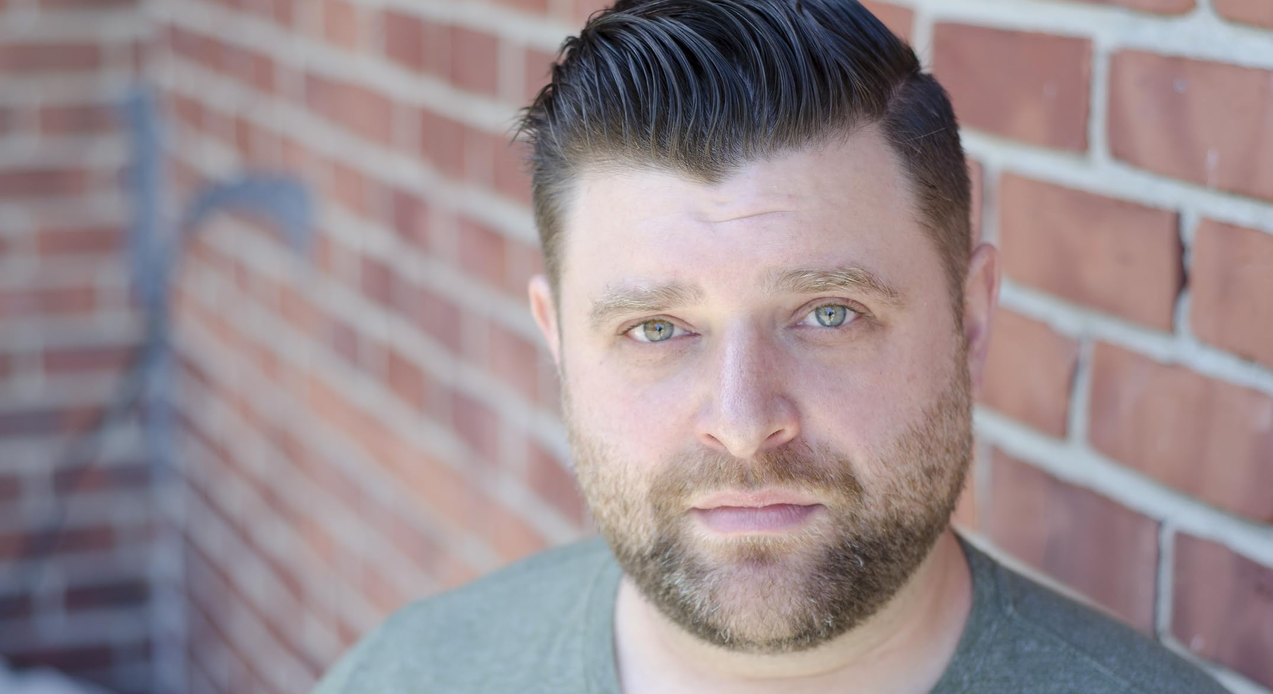
He’s big. He’s bearded. He’s built like Bluto and his booming, sonorous voice is warm butter on toast, and if you don’t love him already, then you will by the end of this interview. Phil Clements chats with Joshua Schubart, check it out below!
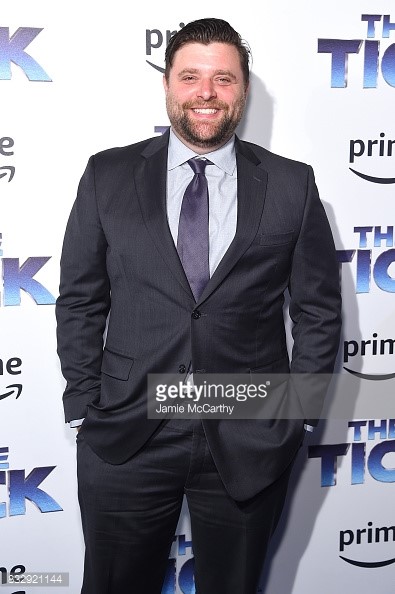
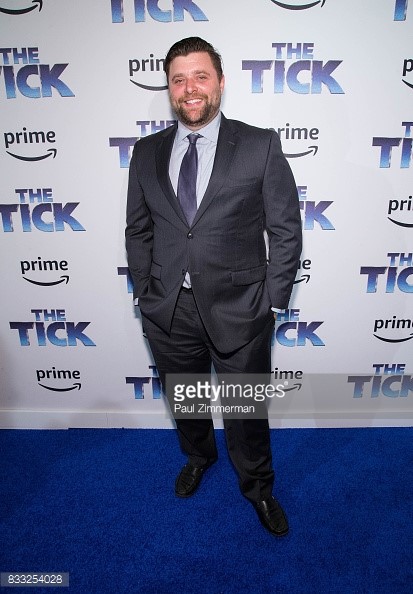
Fans of hilarious superhero hijinks will remember Joshua Schubart from 2016’s The Tick (available on Netflix), in which he appeared as hunky henchman, Frank, alongside such luminaries as Peter Serafinowicz, Alan Tudyk and Whoopi Goldberg.
Few perhaps realise Joshua is a stuntman and skilled stage combatant who treads the boards at the Metropolitan Opera, as well as being the balmy and beguiling voice artist on numerous Amazon Audible books.
As a staunch LGBTQIA+ Ally, this straight bearish actor credits members of our community with helping him back onto his feet, when he was at his lowest point – homeless and searching for food.
It’s Sunday morning, and I’m wondering if god has answered my prayers, because I’m here chatting to the staggeringly handsome Joshua Schubart… and he’s real.


He’s all gym vest, splendidly ruffled hair and heart-warming smile. I really ought to be super nervous, but Joshua is endearingly easy to talk to.
About his upcoming boudoir calendar, of course.

Also, about the experiences that shaped him and why he credits acting with quite literally saving his life.
Oh, I should warn you, this interview is one hell of a ride. So strap in.
Trigger Warning: Discussions of sexual assault, violence

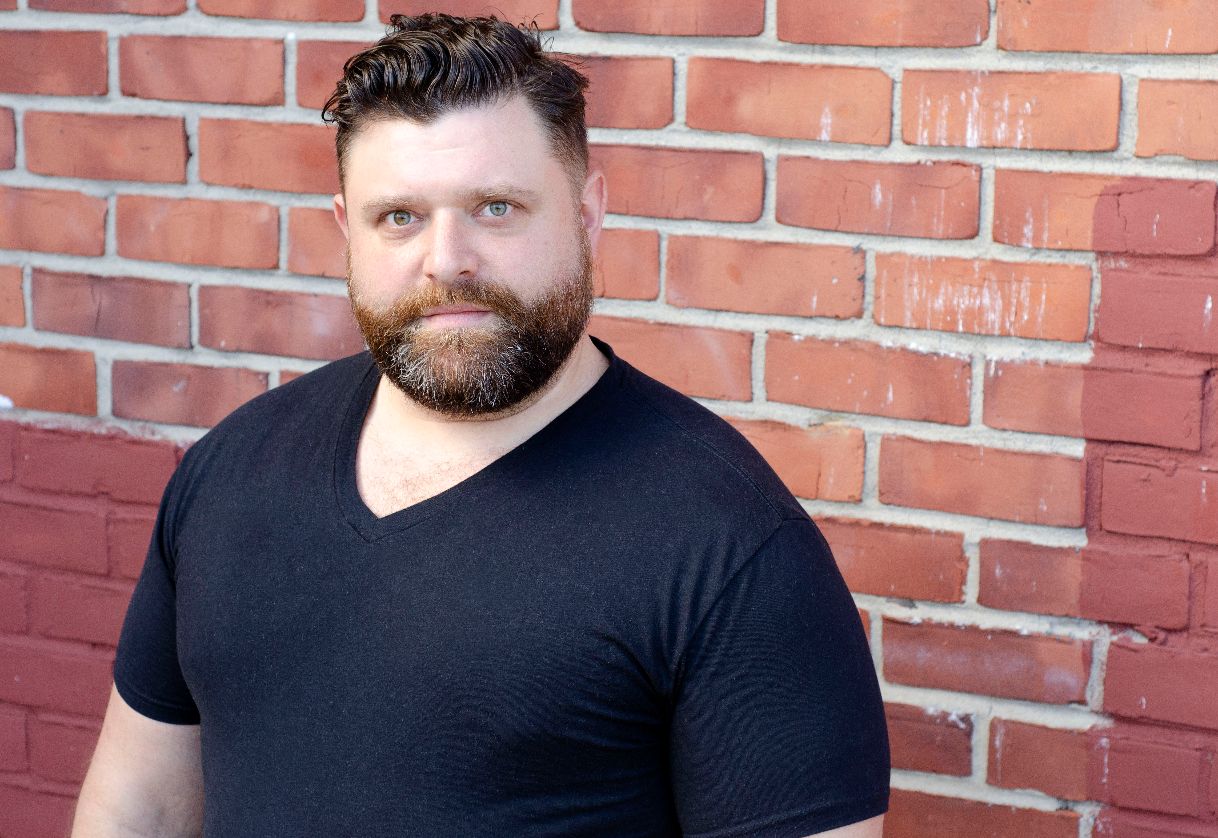
Phil Clements: In your latest venture, you’ve successfully crowdfunded a charmingly playful boudoir calendar which embraces the beauty of the big bodied man.
Where did that idea come from?
Joshua Schubart: I like the idea of making ethical art. And to me that means bringing ideas to your current base and asking them if this is something they would like to see.
I had an idea for a film and a short and, as a light-hearted joke at the end, I said I could make a boudoir calendar. And the answer was overwhelmingly: Make that fucking calendar.
I was like “Oh. Okaaaay…” And I had to sit with it for a few days. I was like oh fuck.
I had a lot of fear, but I’ve also always done whatever I’m afraid of. I’ve tried to run into fear. And I did not want to do this – at all.
Phil: What changed your mind?
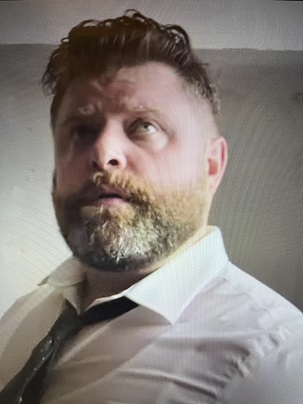
Joshua: I realised I could do it on my own terms. The people who are asking for it will get something that they don’t know they’re asking for.
People will have expectations with this calendar, and while it is going to be very sexy for a lot of people, because I’m not wearing any clothes, I specifically made it an expression of fun and positivity.
Phil: Can you give us an example of how you’ve elevated the images in your calendar?
(Now I know the example he’s about to give will have your hearts aflutter.)
Joshua: I wanted to do an homage to Burt Reynolds on the bearskin rug, because when that happened, it shook the foundations of what masculinity was.
Seeing a man that exposed, in that time period, being that vulnerable, was mind-boggling. And it was one of the hardest things I’ve ever had to do. I wasn’t acting – it was me. We’d do a shot, and then these conversations would erupt out of what everyone had just observed.
So we decided to shoot a documentary. We were able to subvert this thing and make it more interesting and more meaningful. And the documentary crew got to capture all of this stuff in real time. And I am so scared for it to come out, man.
The internet is so brutal. Of course, we had to talk about my origins and how we got here.
Phil: Can you tell us about those origins?
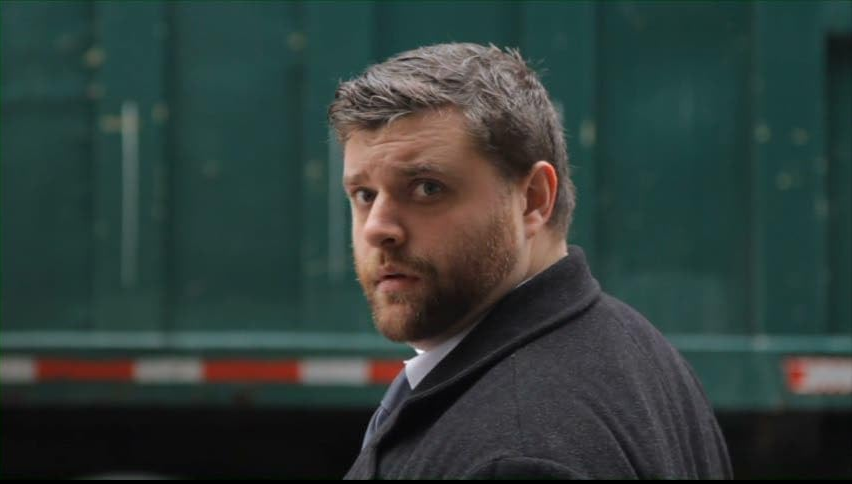
Joshua: My biological father left when I was four. My biological mother loved me very much, but she just wasn’t able to be a mother. She was extremely bi-polar and very much an addict trying to self-medicate. She was also a sex worker, to pay for her addictions, to try to get away from her bi-polar disorder
I would live bouncing back and forth from different people to my mother. And it was always worse. She would be fine for a while. She’d be on some new meds. She’d get a job. She’d stabilise. And then she would very rapidly decline. She would take herself off of her medication, which is extremely common.
I was being raped and assaulted by various people. I had developed this very debilitating stutter. It emerged when I was five or six years old, because the first assault I experienced was at a very young age – like 4 or 5.
I was trying to navigate the world without being able to communicate fully. And when you have a stutter, people also don’t let you communicate. Not that they’re trying to be mean. They’re truly trying to be helpful, but they’re preventing you from completing a thought, which is extremely harmful, because it teaches you that you should just not speak. And that you aren’t worth being heard.
When I was about 11 or 12, I chose to become homeless, because I couldn’t live in that environment anymore. I rapidly became this animalistic version of myself. When it was warm, I would live in a slide in the park, and when it was cold I would live in this clocktower above a convenience store. I was quickly sinking into my own drug use and making all the wrong decisions.
And no-one knew that I wasn’t housed either. I was still going to school. I knew in my head that education was my way to get the fuck out of there. I would bathe myself in the school sinks.
At a young age, I was competing for food in this new world, with people who were much bigger and much older than me. Fighting for resources. I remember there was this dumpster behind this strip mall, and there was this pizza place, and at the end of the night they would throw all of their old pizza in there. And you had fifteen minutes or so before they came out with buckets and poured water in the dumpster to prevent the unhoused folks from eating it.
So it was this frenzy of five or six of us, fighting over this pizza in a dumpster, multiple nights per week. You would still eat the pizza even if they had thrown water over it, but you wanted to get it before they fucking fucked it up.
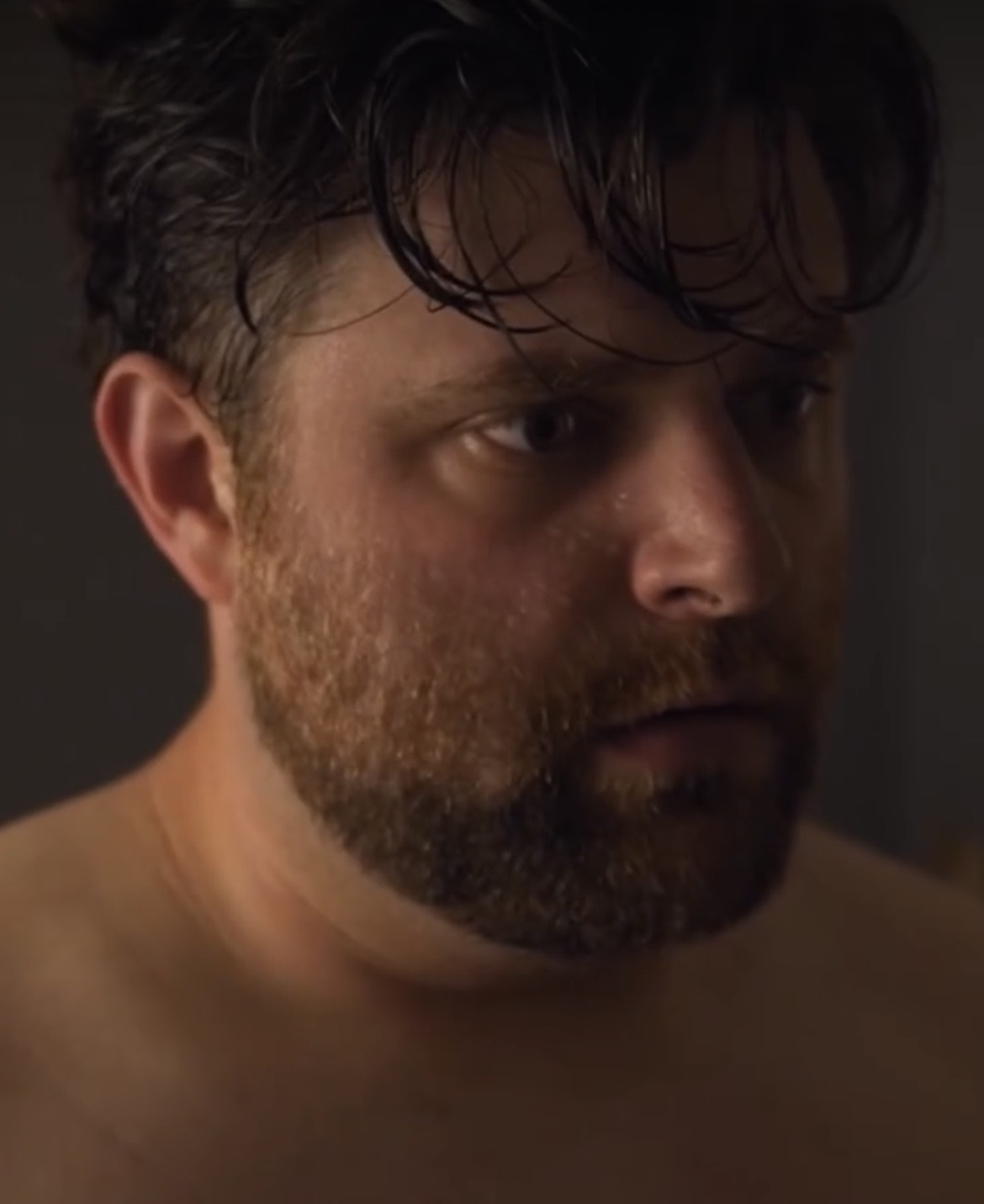
Phil: Understandably, some anger has crept in. But the Joshua I’m talking to today is full of hope. So where did that glimmer of light come from?
Joshua: Gay people saved my life during this period. I was on the fringes of society, and it was the LGBTQIA+ community, the alternative scene, the punks, the goths – it was the outcasts who would throw me a couple of dollars or give me a sandwich. They would talk to me about what was going on. They became my friends when I felt like I didn’t have anything in the whole world.
And one of my friends, who is a lesbian and a great human being, she had just gotten into university and I was living in her room on campus sporadically.
Eventually, I was fostered by my biological aunt and uncle – kinship foster care.
I was at a train station, I had no money and I couldn’t get anywhere. And I called their phone number. It was the only number that I had memorised in my head.
My uncle picked up the phone. He picked me up and drove me back to the apartment where I was supposed to be living. And I was sat in his car, just staring at the apartment, and he said: “Do you want to come live with us?” And I said yes.
They saved my life. And then they took my two sisters in too.
(Joshua is crying and, ooh boy, I’m on the verge myself. Deep breaths.He continues…)
Joshua: I come in and I’m this, like, fucking psychopath who’s so used to not having any food, not having a place to live, trying to readjust. And then I got real access to food for the first time in a very long while.
My dad (my uncle, but he’s my dad) would catch me in the middle of the night just eating 300 slice blocks of American cheese from Costco. I didn’t know when I was going to get food again. And it took me a while to realise that I was safe.
Anyway, they thought it would be a good idea for me to go to Catholic school.
(Joshua chuckles. Maybe at the idea that Catholic guilt and dogmatic doctrine was really where his young head might be at.That sweet smile is back in the room with us.)
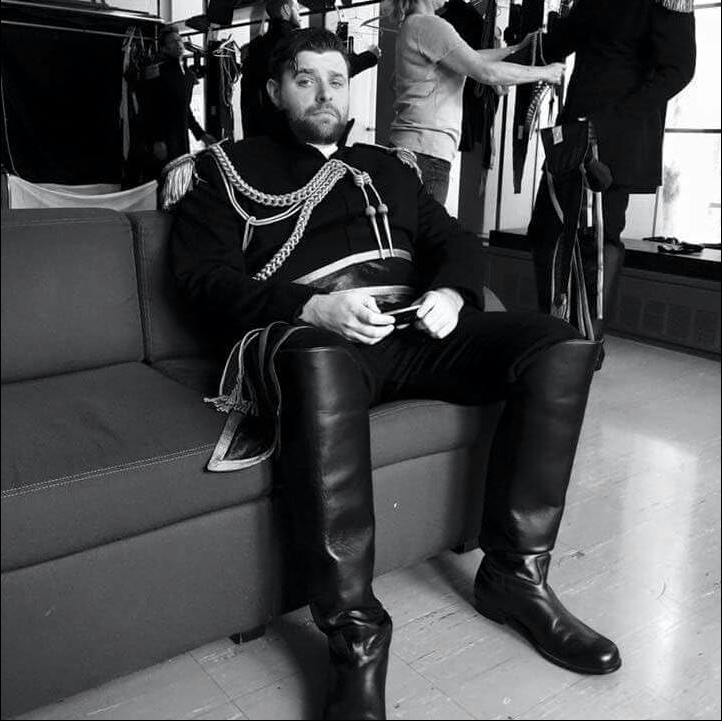
Joshua: I was advised to go join the football team, because I was huge. And I hated it. I’d just come from this insanely violent world, where I was in constant peril. Life or death all the time. So football? No.
I’m not interested in smashing into people and hurting anyone.
I know that could’ve gone the other way, but I’m happy that it didn’t.
Phil: It was here that you found your calling – although not in a prayer book. So what did Catholic school have to offer?
Joshua: There was an announcement for the school play over the PA system. And I don’t know why, but I wanted to see what that was. It was a few days of auditions, and I skipped football practice, and just stood in the doorway of the theatre and watched it all happening.
And on the last day, I just went up and did it. And I could speak in complete sentences for the first time. And that was it. I knew this was the thing for me.
(Joshua cries again. But this isn’t a pity party. These feel like tears of unalloyed relief. Like being rescued from a hundred years of horrors. These tears are thankful.)
Joshua: I could speak…I could express myself and be heard. And I hadn’t been able to do that before. It was like I’d been struck by lightning. I changed my whole life in, like, a few days. I stopped doing drugs. I stopped seeing people that I wasn’t supposed to. I just focused on this thing that made me feel good. I had never…felt good. And I do now. And so I never stopped walking that path.
(He catches his breath. Then he apologises for crying. But no-one needs to apologise for a beautiful moment. It’s an honour to be trusted with this.)
Phil: And walk that path you did. Stage and screen roles followed, including a role as a recurring character in The Tick.
But why did this particular performance have a special significance?
Joshua: I was on that show and, god, that kept me up when I was in the streets. I would go to the comic book shops and I would read what I could in there, before they threw me out because I wasn’t buying anything. And I found The Tick in there.
And then I could watch the cartoon – and everyone in The Tick is so weird, right? But they all love each other. The LOVE is so strong. Even the villains love each other. They’re all in it together – this band of misfit toys made it through together, because they held each other up.
And then I got to be in the new one. I got to work with the creator of the show and all these actors that I’d been looking up to. And then the show came out…
(There are tears. Big, beautiful tears that are wept for the privilege of being able to give something back.)
Joshua: …and the messages I would get from people who were affected by it, just like I was. Fuck, man. It was so full circle. It just reaffirmed that I was exactly where I was supposed to be. I’m doing the work for people like me. And that’s why you make art.
Phil: From fictional heroes to real life heroes – if fans are looking to you, who did you look to?
Joshua: Chris Farley, John Candy and John Goodman.
Chris Farley showed me that I could be big and athletic and move well and be myself and be loud. John Goodman was always strong with a very deep well of emotional life. Something you very rarely saw. And John Candy was funny as hell, but also extremely grounded. None of them were violent. They all tried to work it out intellectually – most of the time.
There’s almost zero representation for large people that isn’t an awful caricature.
Larger men very rarely get to be joyful. We’re told that we have to be serious, and maybe careful because people are scared of you, they perceive you as violent. Walk lightly and don’t make anybody uncomfortable. So we spend a lot of our time trying to shrink ourselves, to not take up as much space as we do. And that sucks.
I’m bigger than most people in my industry. So I decided to lean into that.
On my Instagram account, I talk a lot about body positivity. And I do truly believe what I’m saying. But I’ve talked about this before – a lot of what I post is really for me to watch. I post an idealised version of myself talking about the things that I need to hear, to empower me.
Phil: Now it breaks my heart a little bit to hear that someone so self-evidently beautiful doubts it. What an impossibly cruel twist for someone so robust and emotionally engaged.
But have you turned even this into a positive?
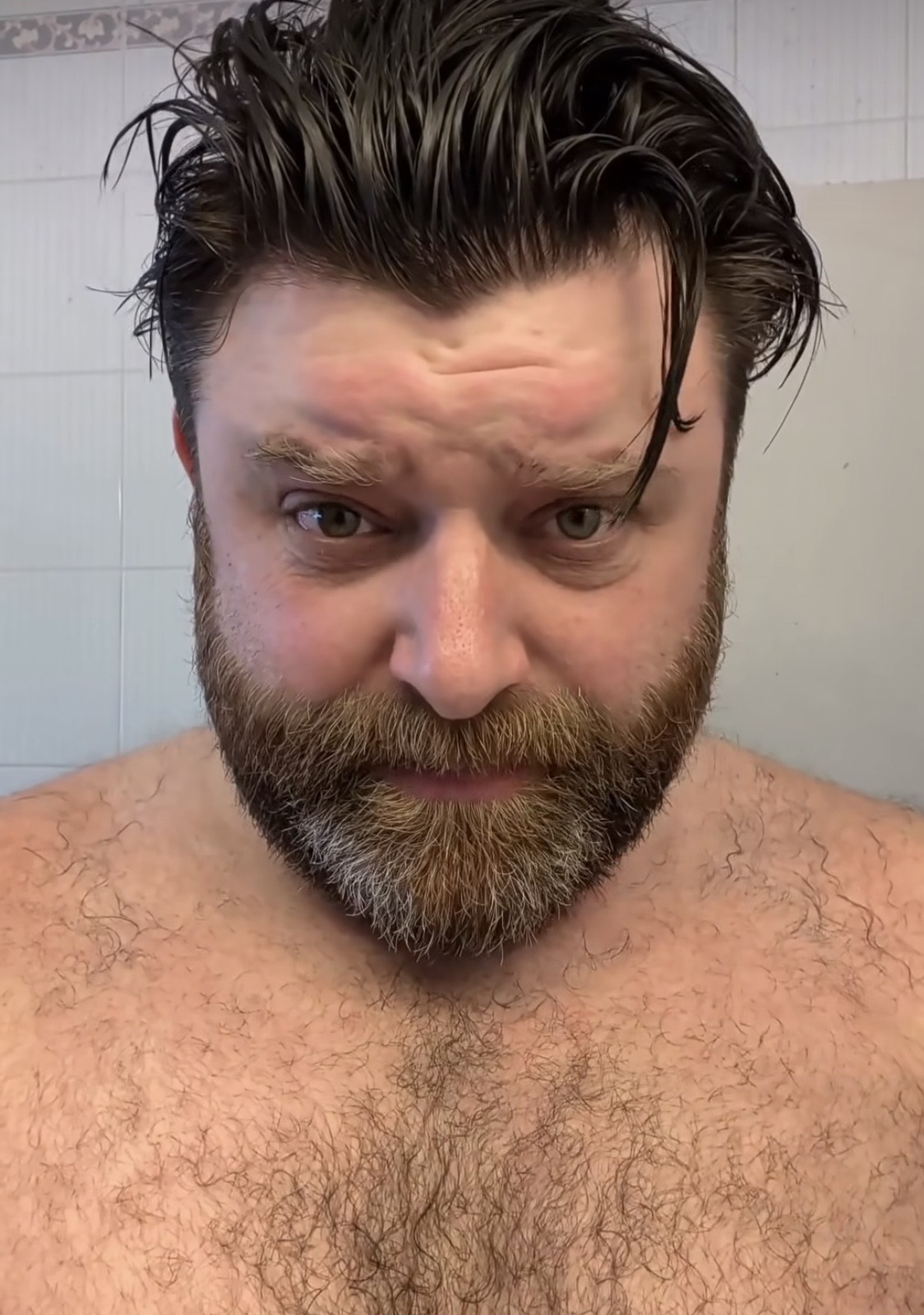
Joshua: Other people latching onto it and loving it – that helped me understand that what I was saying was helping me and other people. I live with body dysmorphia. I have an anxiety disorder. I’m all full of problems from my past. It’s a war that rages inside me all the time.
When I do talk about it online, either people are very supportive and they’re like: “Yo bro, I feel that way too,” or they’re like: “What the fuck are you talking about? What’s wrong with you?”
I’m so confident, and I walk through life with my head held high, shoulders back, but we all contain multitudes. We’re not one thing. And it’s easier for the bad to win, than the good to win. So you have to fight upstream, and be like “Fuck you, the bad feelings!”
I did cognitive behavioural therapy and I believe that it set me up for all of my successes in life, because it teaches you how to slowly build towards a goal over and over, gradually getting up this ladder. And it’s the same for everything – your career, your exercise, your mental health.
Your brain has no idea about what it needs to do, unless you trick it into doing that. You can change that by accident, or by how you speak to yourself. The ten thousand hours thing is exactly that. Mastery is repetitive. You teach your brain this thing until you’re one of the best people to do it.
Phil: So many Bears struggle with self-image and the impulse to retreat back into their caves. Were you ever tempted to retreat?
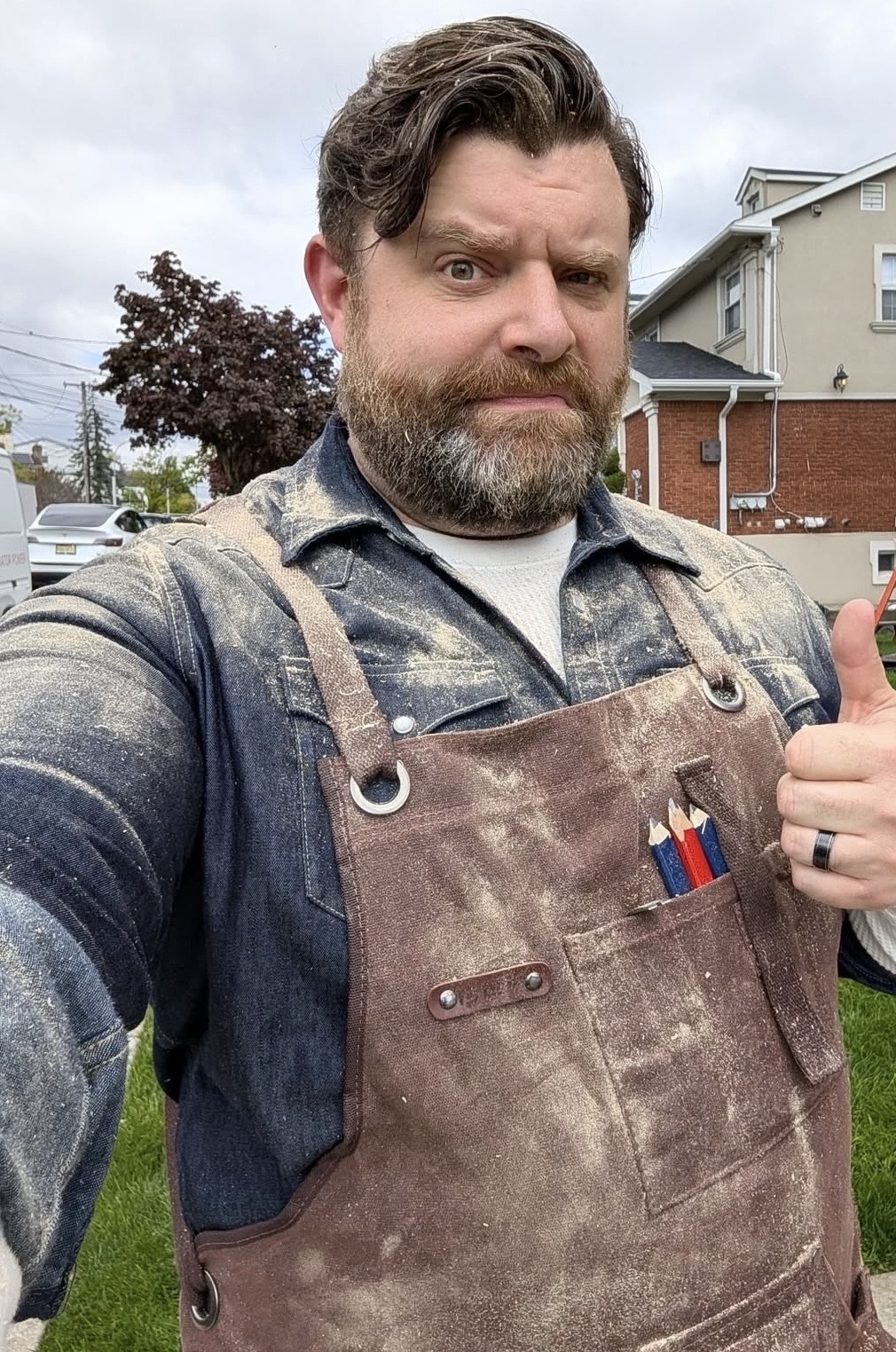
Joshua: Back in the day, I would never dance. I would say: “I don’t dance.” And tonnes of guys say that.
And one day I was like: “I fucking don’t give a shit! I’m just going to go move my body around and see how that feels.” And it felt great! Free and alive. The point of dance is joy.
And now here I am, working on a rapier fight with two other guys. For my body type, I’m not supposed to fight with a rapier, because you’re supposed to be lean and tall. I’m not supposed to be able to move that way, but I do.
I don’t do that doesn’t really make any sense. Like, why? Ask the question.
And if the answer is because I don’t think that I should, then who’s telling you that? Fuck those people.
Phil: Your battle for body positivity has a history. Were you reluctant to be that guy at first?
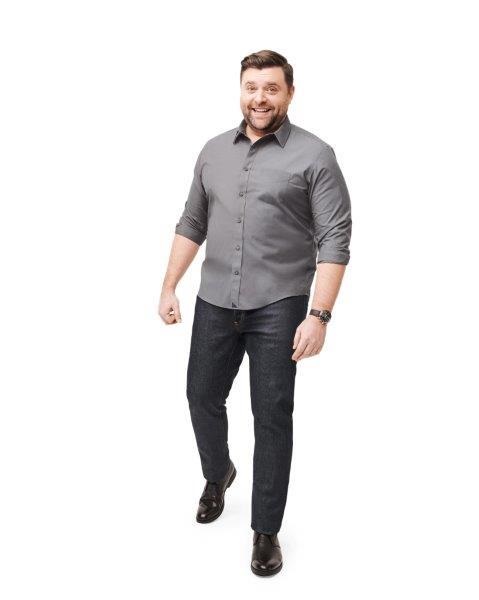
Joshua: I didn’t really realise it, but I was at the forefront of Brawn Modelling. I was one of the first. My first modelling gig was in GQ magazine, which is insane. And I remember that my manager emailed me and she was like: “Hey, GQ’s reaching out. They’re looking for larger guys. Are you interested?”
And immediately, in my head, I went: “No! I am not interested in being a model. I’m an actor. I do Shakespeare!”
But then I answered a few moments later: “Yes, of course I’d love the opportunity.”
After all, it was GQ, one of the biggest men’s magazines in the world.
It was a campaign about how people of different body types should wear their suits. No-one had ever taught me that. There’s still almost nowhere that I can buy clothes off the rack. I’m so broad, and I have a narrower middle, and my thighs are huge – I’m not a cookie cutter body type.
So they explained if you’re going to buy a suit, this is how you tailor it, these are the colours you should wear, this is how you should accessorise – and then they put me in a magazine.
Then I kept getting these modelling roles. One of the biggest campaigns that I’ve ever had was for this brand called UNTUCKit, a buttoned-down shirt company. I was their big guy for about five years. And I got calls from the executives saying: “Listen, there are guys walking into our stores, holding your ad, and saying I want to look like this guy. He looks like me”.
(Suddenly, Joshua is a shepherd, looking after his flock.)
Joshua: I’m gonna cry or whatever.
I never had that. And so many of us never had that. I could be that for young me, who didn’t have it. And for these guys who were coming in, saying: “He looks so happy.”
I remembered that when I was working on this [boudoir calendar] project. I don’t make art just for me. I make it for young me and the people that are like me. And I know I’m a white man, and we are extremely represented – but a specific type of man is represented in the entertainment industry.
I’m an outlier and I’m very aware that the industry is aware of that too. I’m very fortunate that people in casting understand my value and level of talent, so I’m called in frequently for things that are outside of my type, which is great. The past ten years, I’ve been getting called in for Dude That Punches You In The Neck and Man That Has Rich Emotional Life And Things Of Pithy Wisdom To Say.
Phil: How does it feel to have such a big Bear following?
Joshua: I’ve amassed a very large gay following over the past number of years, who are wildly supportive and caring and great people to interact with. Some people show up for one reason – whether they think I’m hot or whatever – but the people that stay do so because they discover something else. Which is what you hope for. It’s more layered now, which makes me feel really good.
A friend of mine, also an actor, asked if I knew that a bunch of my acting clips were in all these Bear message boards and groups. He said I was becoming a Bear icon. And I was like Whaaat?
I’m just in my Marvel groups talking about Spider-Man. So that was very eye-opening. But not in a scary way. I’m already on TV and in GQ, but how specific the exposure became – I was like whoa.
Phil: Does it concern you when people come to you with particularly over-sexualised comments?
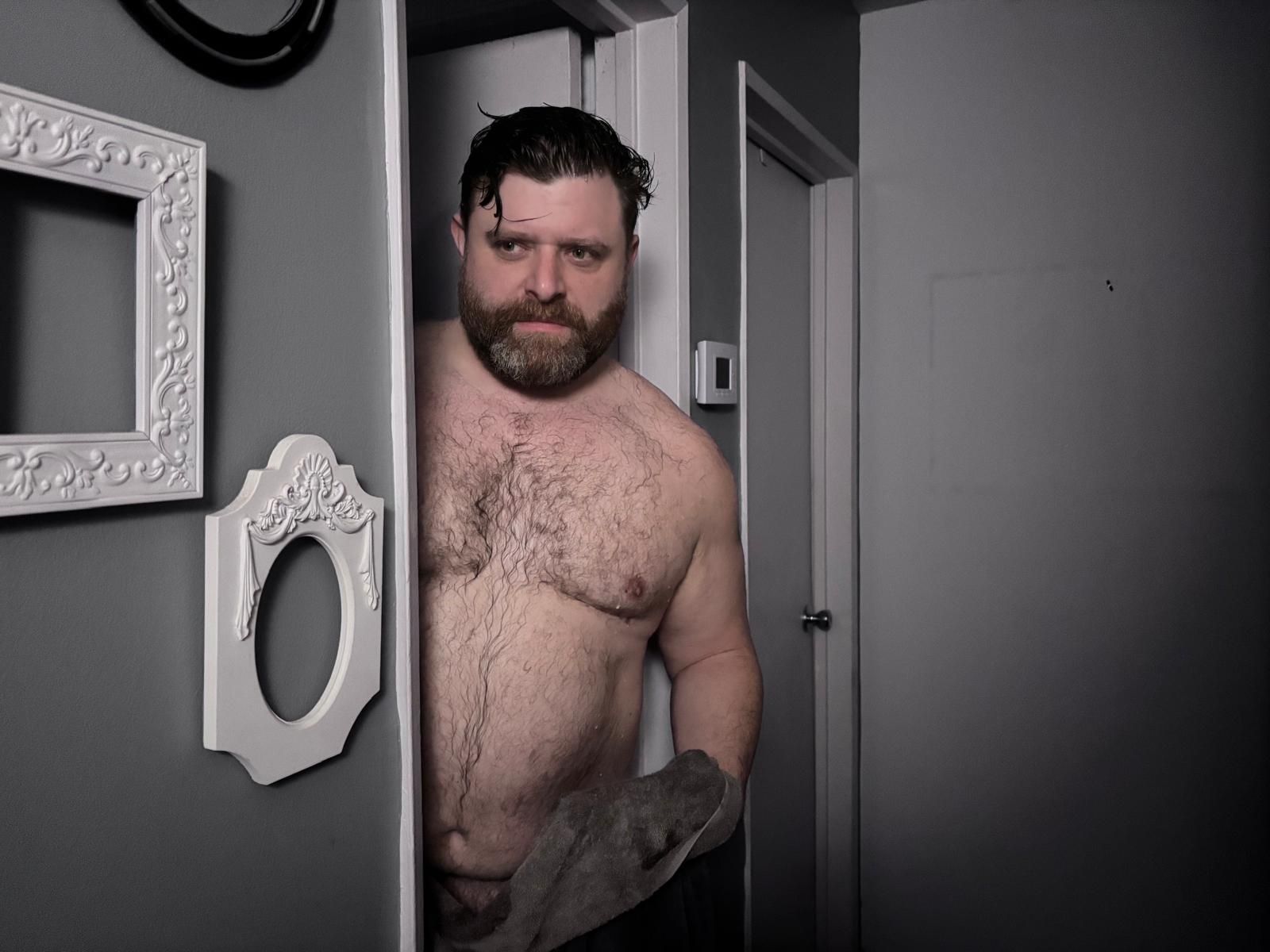
Joshua: It was very hard in the beginning. I’m not going to sugarcoat that.
But one of my very close friends is an older Bear. Our relationship has evolved into this incredible friendship. We hang out all the time. He altered my perspective about a lot of things in a very positive way and made me a much better person. Whether he knows that or not. Which he does, because I told him. I love him very much. He’s chosen family.
He told me that gay guys, and maybe especially guys in the Bear community, lead with sexuality. They’re trying make a connection, even when they maybe don’t even care about the sex.
He just cautioned me to know what the ceiling for acceptability is. And if people hit that and you say: “I don’t want to do that, but we can talk about something else,” and they say yes, then it flips the whole conversation around. And you’ll find that you get really cool connections and a better community of people.
Much to my shock – and perhaps it shouldn’t have been – it worked. Immediately. The percentage of people I’ve had to block is actually very small. It’s like opening the door and having a conversation, and accepting a compliment for what it is, without it having to mean anything else.
And there’s nothing wrong with attraction. We are human. That’s part of our make-up.
Phil: I’ve heard that you stand very firmly by that sentiment. Is it true that you refused to take down the Pride flag flying outside your house, even when you were receiving anonymous hatemail?
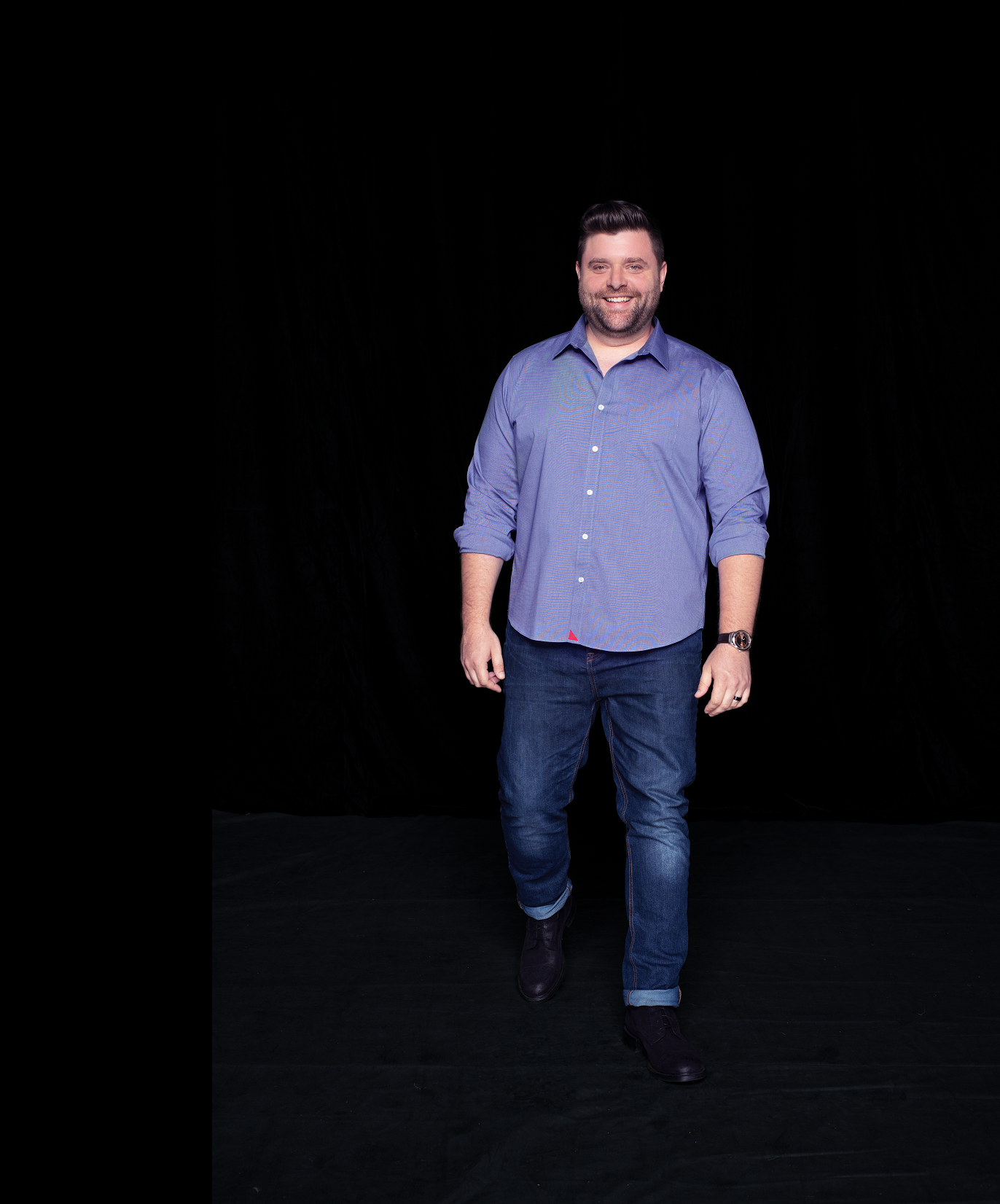
Joshua: Where I live it’s fairly conservative. Lockdown was when everyone started paying attention to my house. For weeks, I was getting Trump hats and handwritten letters. I figured if they’re mailing us anonymously, it means they’re not going to do a goddamn thing. And we don’t want the bullies to fucking win.
So we left it up, the shit stopped getting mailed to us, but then people from my town that have kids in the community were coming up to me and saying thank you for flying that flag.
Phil: It’s been quite the rollercoaster of a journey. Do you have any advice for the readers of Bear World Magazine?
Joshua: You can plan, you can think, you can prepare, you can obsess – but if you’re not having fun, what the fuck is the point? Whether it’s for an interview, or an audition or just trying something new.
And if no-one knows who you are when they meet you, they have no idea how to solve any problems with you. Who are you actually? That’s who people want to interact with. Even if it’s the best parts of yourself that you’re bringing forward –it’s still you. Not a made up guy.
And don’t be scared of being afraid. But whatever scares you, go towards it. Because that’s where you’ll find the best parts of yourself.
You don’t realise who’s going to want to hear from you, or who you touch in the world and I never expected to be this type of person for this specific community.
I’m very happy to be here.
And with that, Joshua has to make his exit.
He needs to go and build a bed for his daughter. Now he gets to be a superhero for someone else.
If you want to share in the joy of Joshua Schubart, you can find him here…
Instagram: @josh_schubart
https://www.imdb.com/name/nm4858371/



Great story! Such depth in this conversation. I love Joshua’s message. I wish nothing but the best for this amazing person.