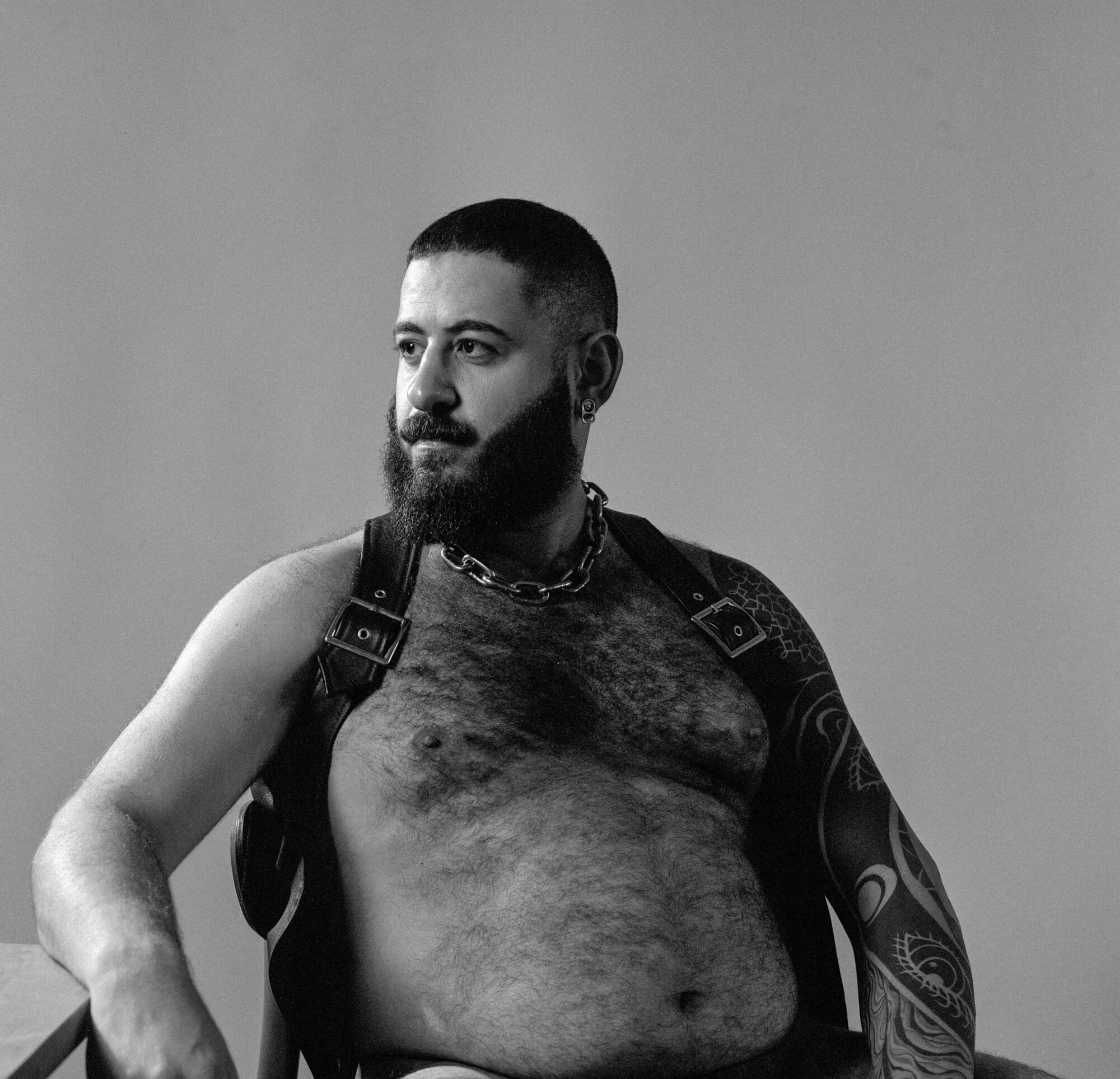
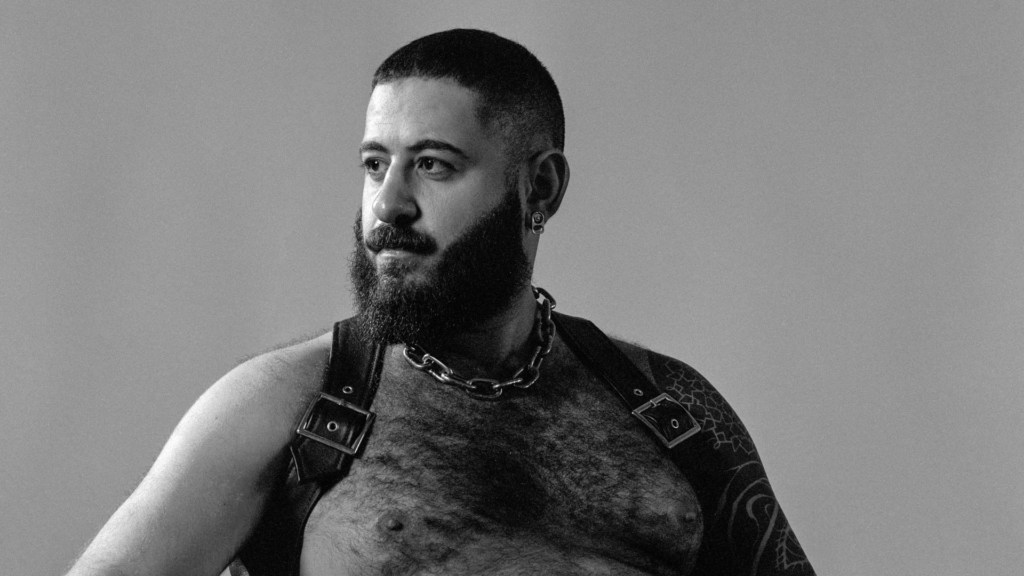
A chat with DJ Subeaux about house music, nightlife, and cultural representation!
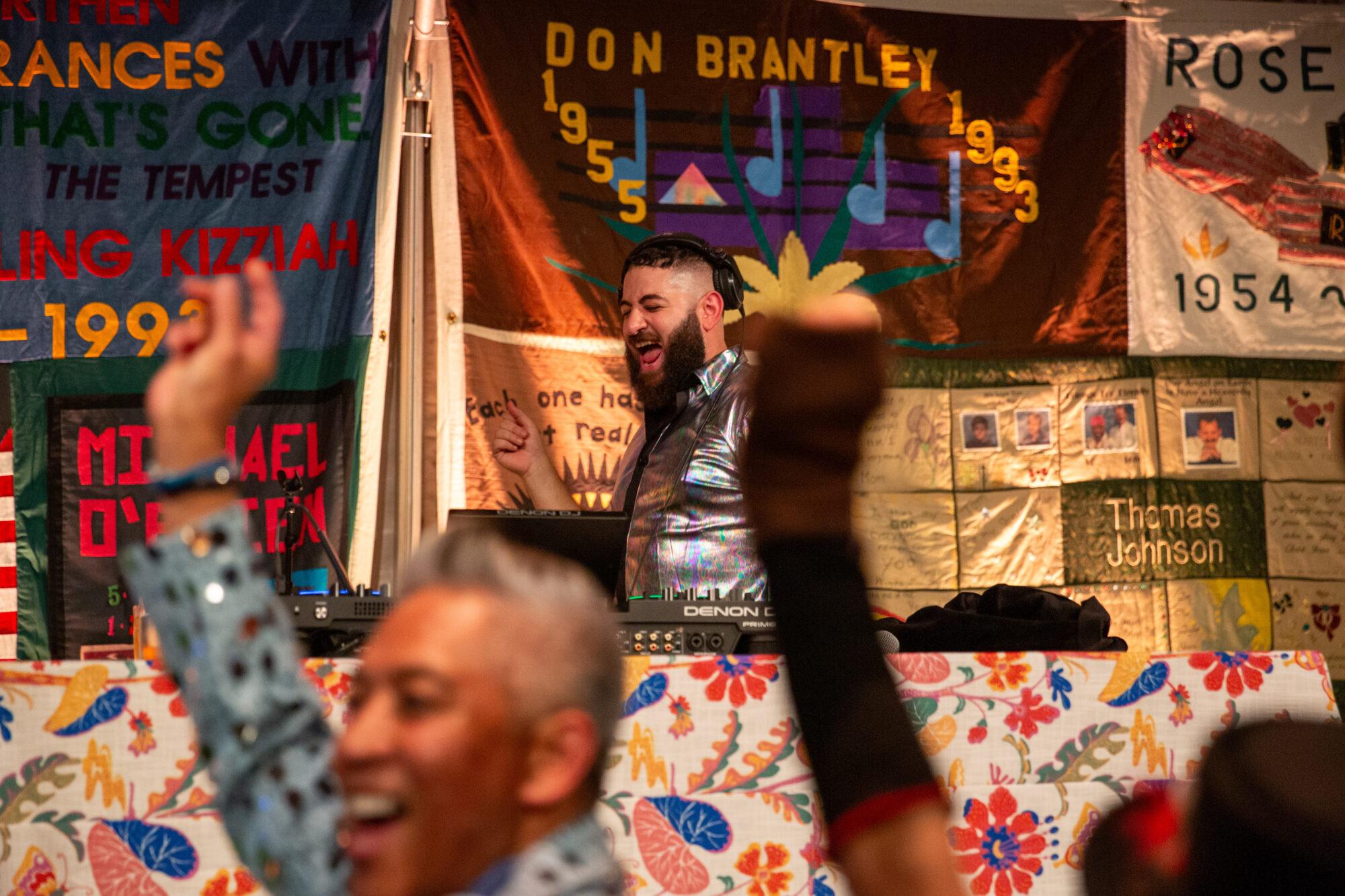
Meet DJ Subeaux, the San Francisco based Palestinian DJ that hosts local events in his community, go go dances, and so much more!
When I first discovered DJ Subeaux, I knew that I wanted to reach out to him for an interview. Not only is he adorable, talented, and educated, but he’s an extremely skilled DJ that organizes events for the community that are so vital to the culture.
I also fell in love with his overall aesthetic and aura. There’s just something magnetic about him that had me wanting to witness him DJing in the booth or just be around his infectious smile.
After reaching out, we talked a bit before I wrote up the questions for the interview and I knew immediately how important his story was to share with the world.


His experiences are something everyone can learn from, so I hope you’ll soak in every word from the interview below where we discuss how he became a DJ, the origins of house music, and so much more!
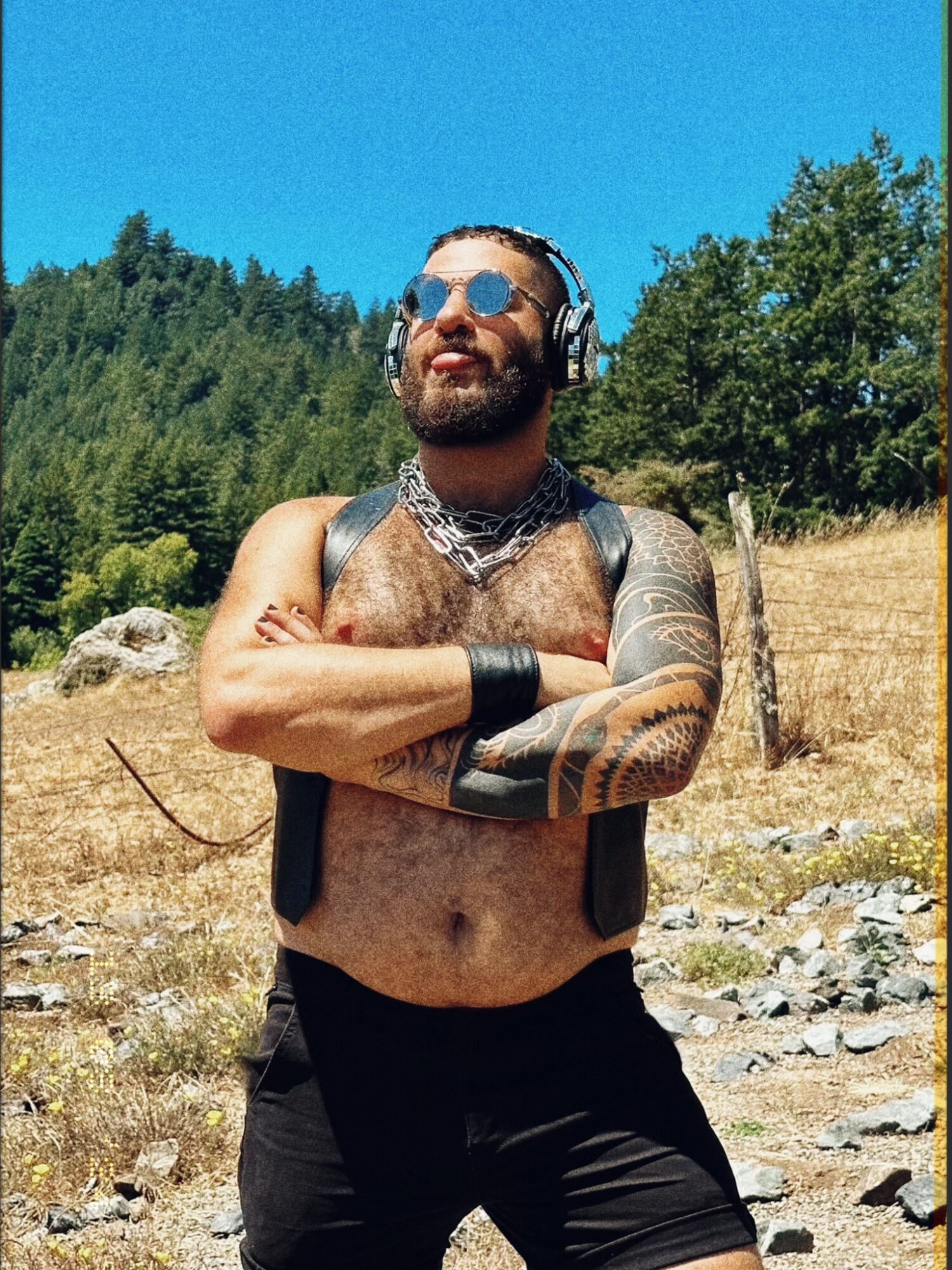
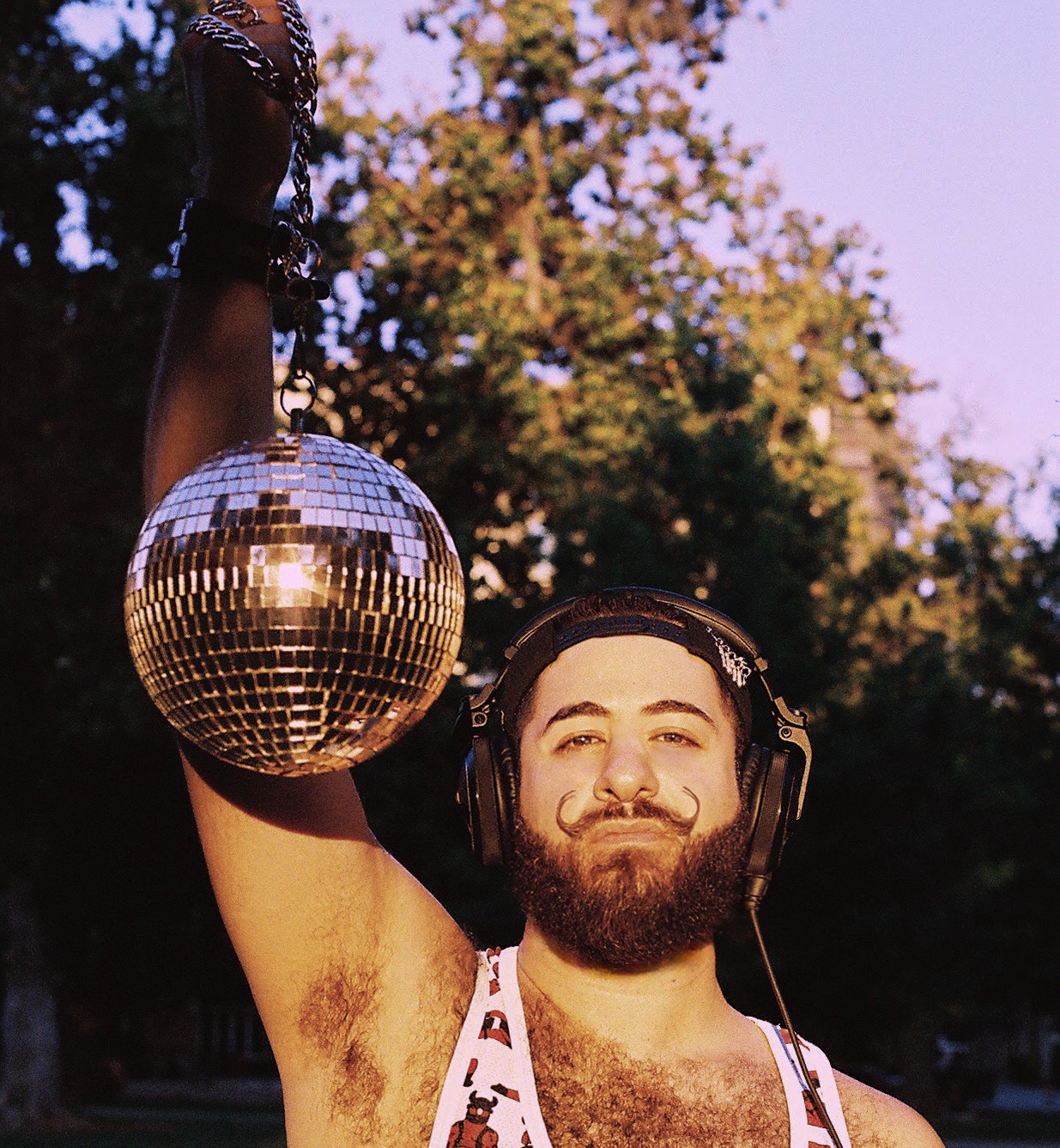
Bryce Quartz: Hey there, Subeaux! Thank you so much for taking the time to speak with me today. How have you been doing lately?
Subeaux: Honestly? I’ve been better, but I’ve also been worse, so I’ll take it. I’m navigating a breakup and some health stuff simultaneously, which is a lot, but I can finally see the light at the end of the tunnel for both and it is not an oncoming train, which feels like a win at this point.
The silver lining is that I do some of my best creative work when I’m in the thick of it. Apparently I need a little chaos to unlock something. My therapist and I have very different feelings about that.
But things are looking up and I have a lot to be excited about. I have a new event I created with a fellow DJ in Sacramento on Friday June 5th that we’ve affectionately dubbed The WÜRST pride party, which tells you everything you need to know about the vibe.
The following Friday I’ll be in Chicago spinning for Flex Party at Jackhammer. And I am very happy to announce that I will be DJing and shaking my belly at the return of Megawoof to San Francisco on July 3rd, which I have been looking forward to for a long time.

So the calendar is full, the music is ready, and I am healing on the dance floor one city at a time.
Bryce: I love to hear it! I need to make it out to see you DJ as soon as possible, I know you’re killer behind the booth.
You’ve DJ’d at all kinds of parties and events over the years, and produced some pretty amazing remixes and sets that are available on SoundCloud. It’s clear that you know exactly what you’re doing!
How long have you been a DJ and what got you into it to begin with?
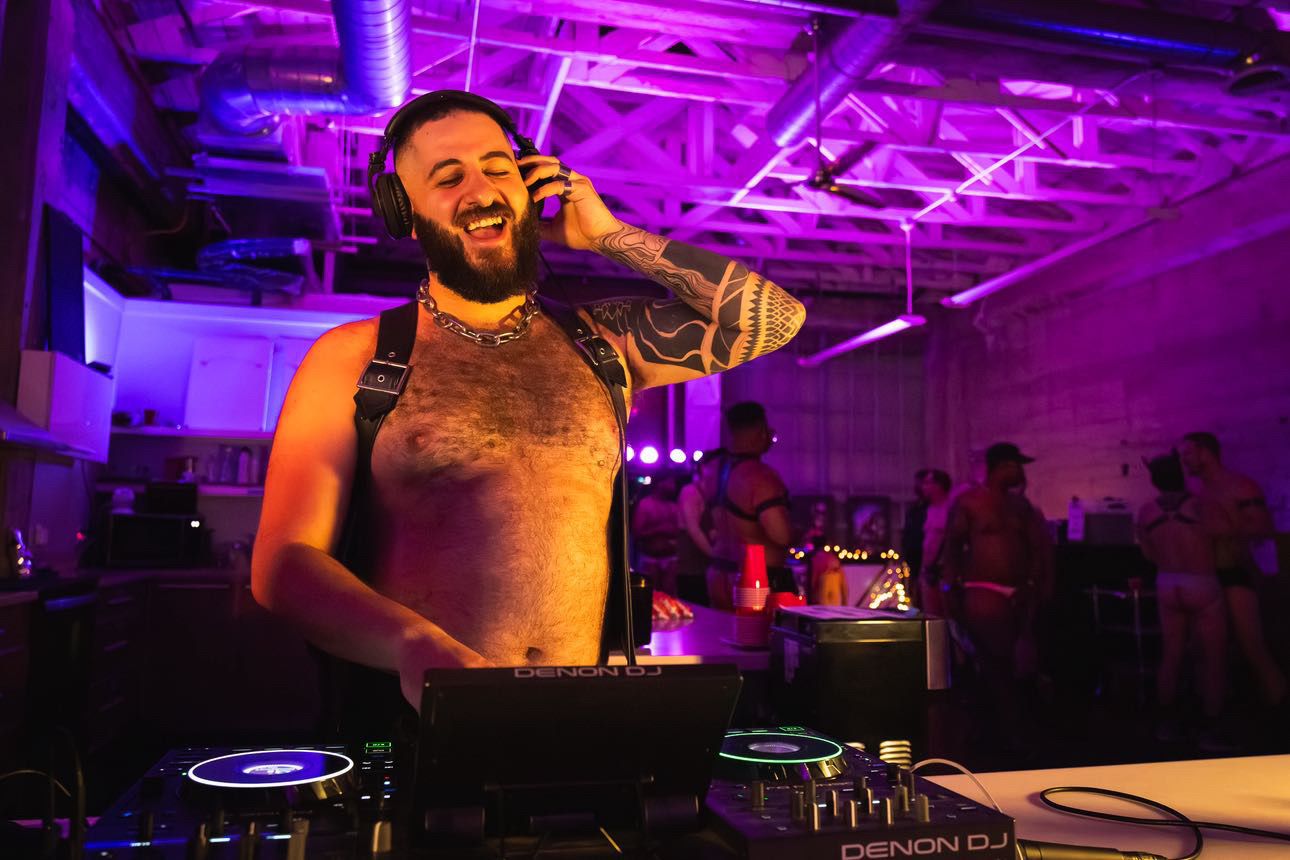
Subeaux: Thank you for the recognition! I’ve been DJing since the Summer of 2020, so about 6 years now. I started my journey learning to DJ from watching Youtube videos on my own.
I was going through a separation with my husband at the time and putting my nose to the grindstone over a new creative pursuit was a reprieve from the reality of my personal life and from the existential woes we all went through during lockdown.
I used to host a lot of Queer kikis at my home before COVID, so during lockdown I was looking to stay connected with my community by throwing virtual parties. Learning how to spin music through Zoom was how DJing took root in my life.
When the world started opening up again I started seeking out venues and bars to host parties and that’s how I got my start as Subeaux.
Music as sanctuary has been a constant thread throughout my life long before I ever touched a DJ mixer.
I was born in the United States but raised in Palestine during the intifada, and growing up under Israeli occupation, listening to music in my headphones was one of the only ways I could imagine a future beyond the horror I’d been living.
That relationship with music as a lifeline, as a paracosm to retreat into, never left me. So when lockdown hit in 2020 and I needed something to hold onto, it made sense that I’d reach for it again, this time by learning to create and curate it myself.
Bryce: I really love how Djing started as something you dove headfirst into and then turned it into something that allowed you to connect people in a time that the entire world felt disconnected. That’s really amazing and admirable!
To give our readers a bit of a reference point for your work, can you share with us some of the events you’ve done in the past and what kind of music do you tend to bring to the stage?
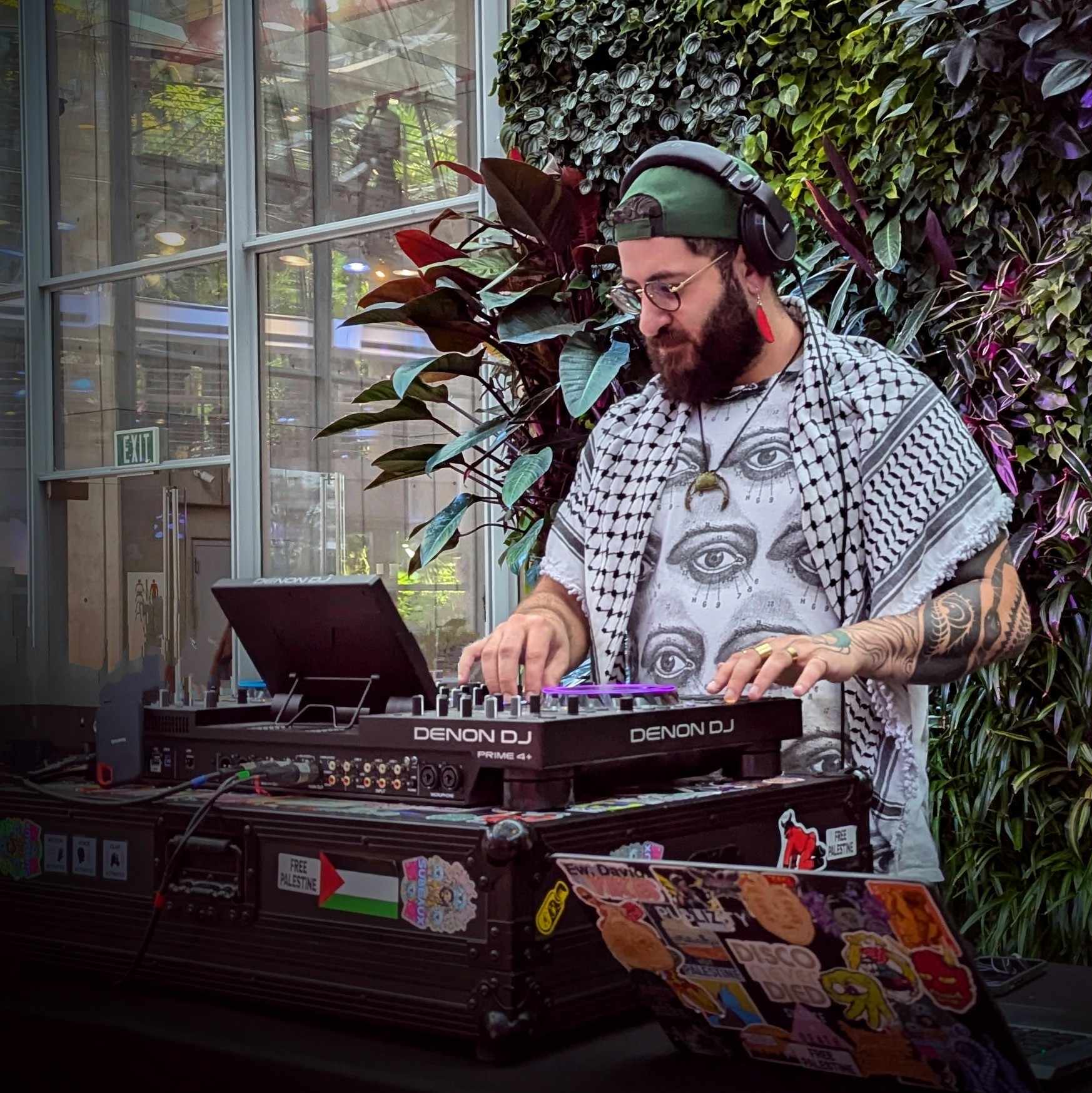
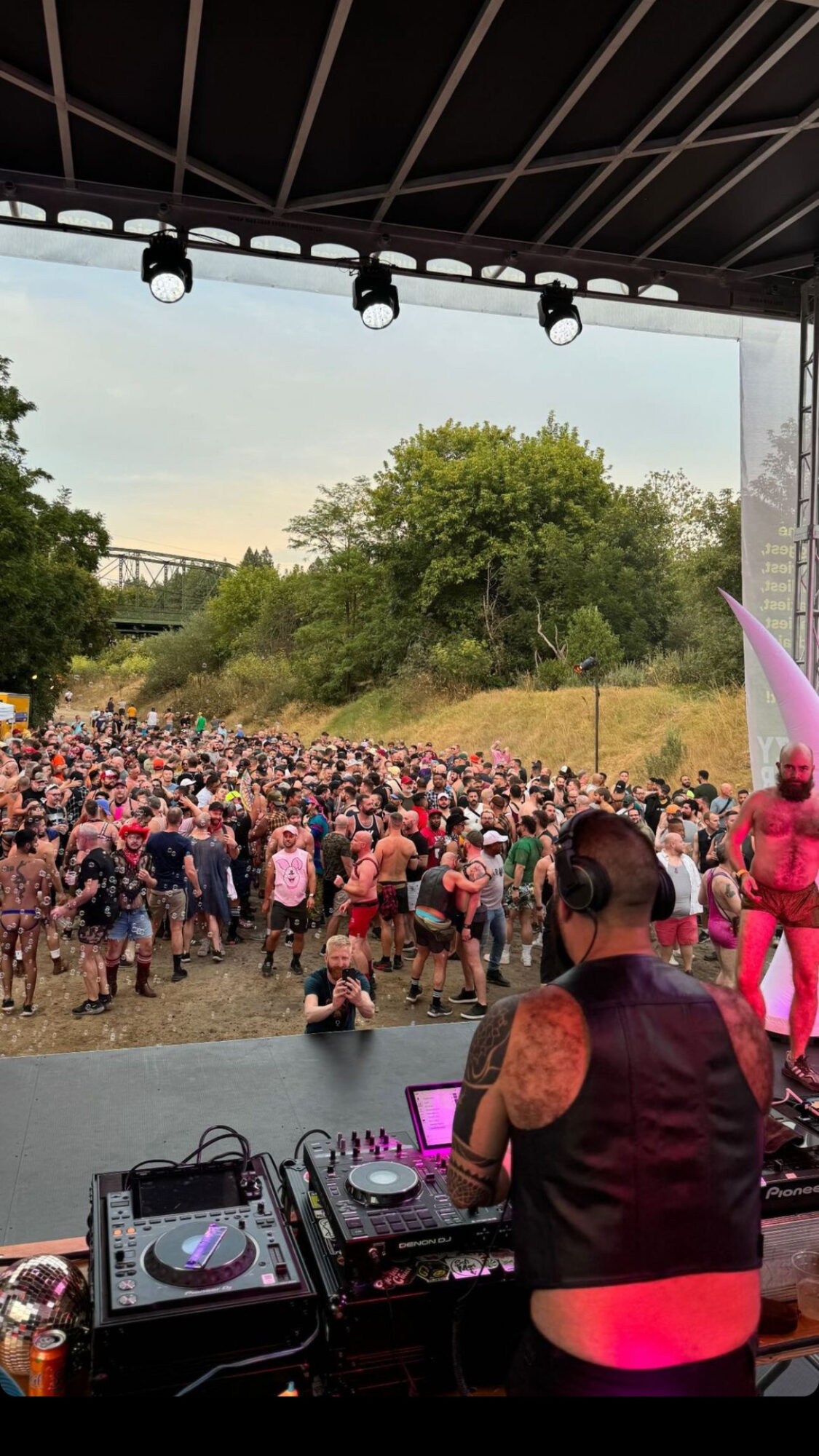
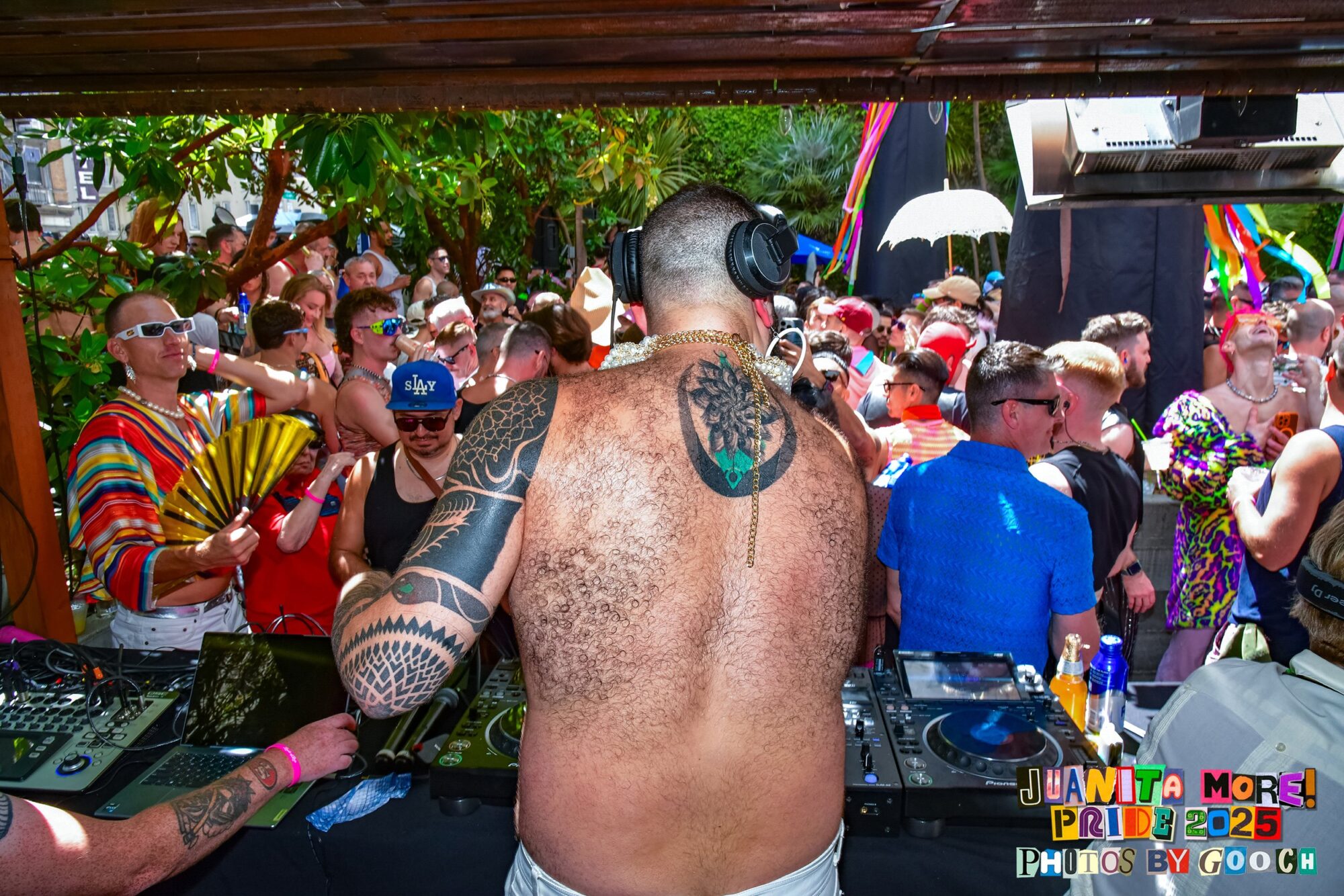
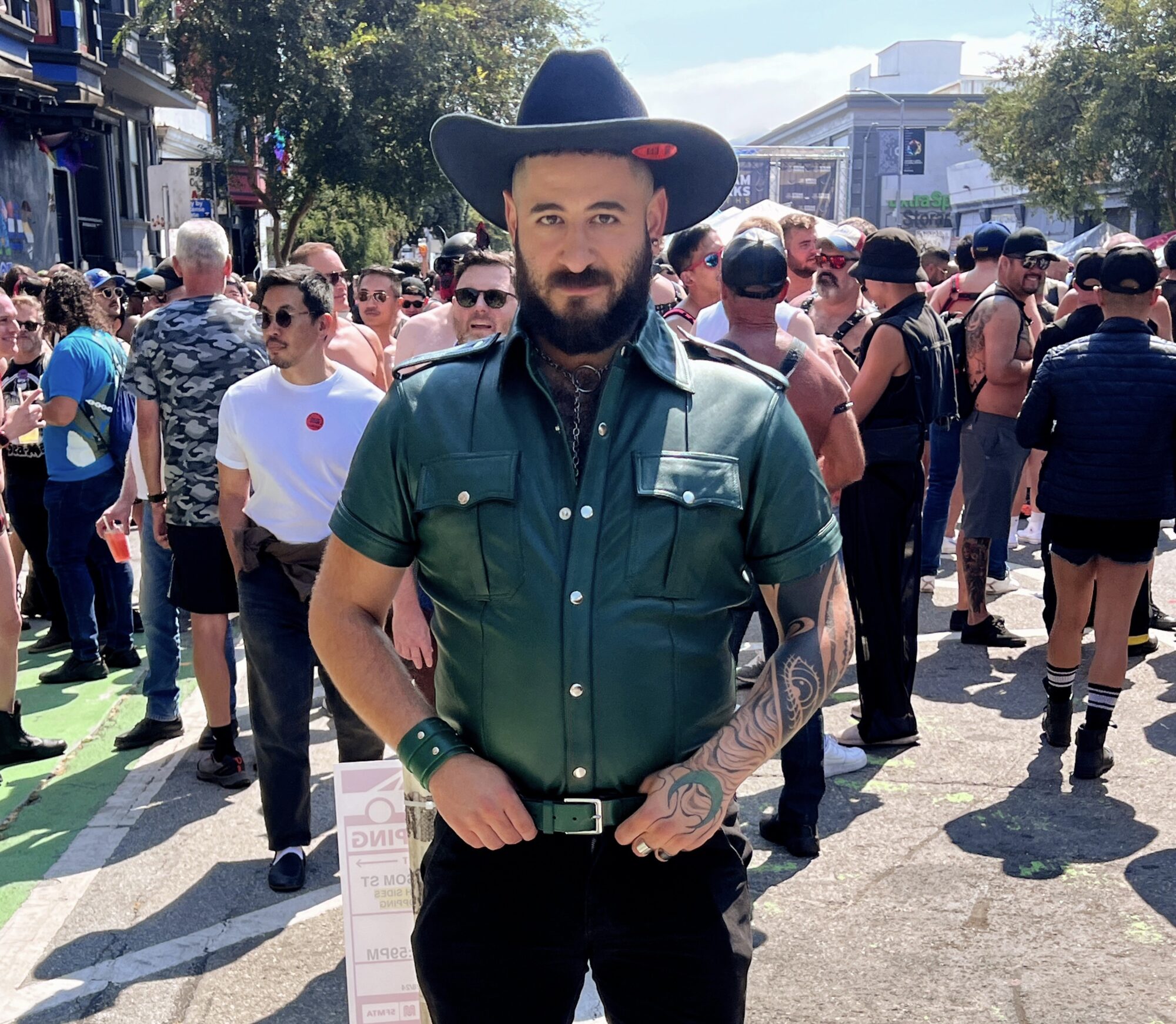
Subeaux: I’ve played Pride celebrations in cities across the country, but I’ve really found my people in the Queer and kinky haven that is San Francisco. This community opened doors I didn’t even know I could walk through, and those connections have helped me play at major events like Folsom Street Fair, Lazy Bear, and Outside Lands.
I’ve also had the pleasure of spinning at venues like The Midway, Phoenix Hotel, and Public Works. The Queer spaces of the SOMA neighborhood in SF, and particularly The Stud, have become a real home base for me. That’s where I host my own events and get to shape the night entirely on my own terms.
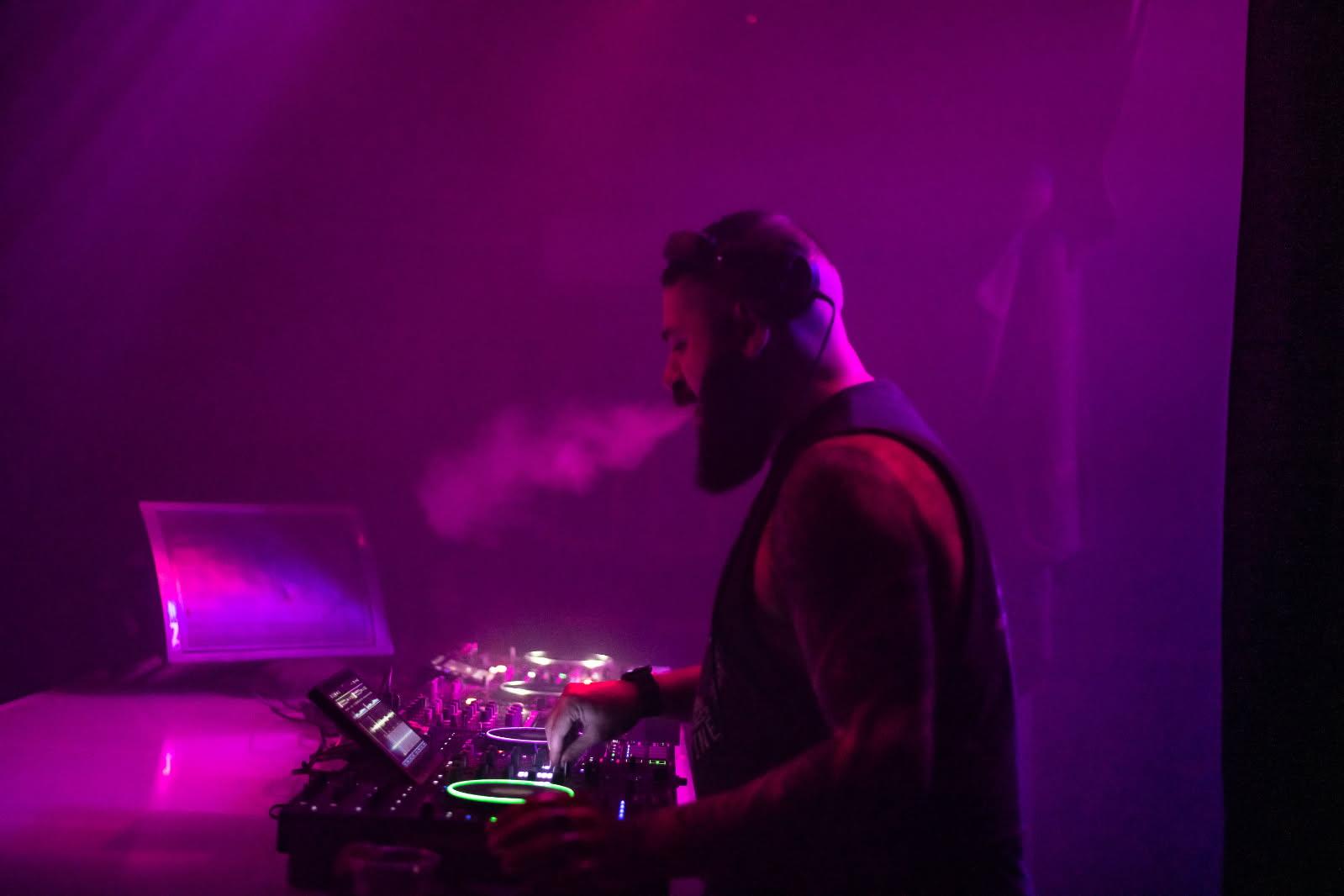
In terms of musical genres, my sound lives at the intersection of house, disco, and Arabic music; that’s the thread running through everything I do. You might also hear me pull in hip hop or whatever the energy in the crowd is calling for. I don’t believe in one-size-fits-all sets. I read the atmosphere, and the audience and build from there, while also remembering to never lose my own voice in fulfilling the assignment.
Bryce: You also produce your own events too, notably one called Afro Habibi with fellow DJ and artist LBXX that highlights hip hop and Arab House music.
Can you tell us a little bit more about the events you produce and why creating safe spaces for Black and Brown LGBTQ+ people is so important in today’s world?
Subeaux: Afro Habibi actually came together in the smoking area of Public Works in SF, during this really perfect night at SXTPS, which is an LA-based dance party for Queer and Trans Black and Brown people.
Breezy Bratton was out there pitching this idea of creating a party that centered queer and trans Black American, African, and Arab dance music lovers, like a real celebration of resistance and resilience between communities that have been segregated in nightlife for so long, even though they share so much history, music, and culture.
The whole mission of Afro Habibi is to recognize this moment as an afterlife of slavery and imperialism, to look at how those histories of violence are still shaping what’s happening right now: George Floyd to Gaza, Ferguson to Fallujah, Trayvon Martin to Tehran. And to find joy in spite of all of it. That’s what the night is about.
Hip hop and Arab House music in the same room is not a novelty to us. It’s a completely natural conversation. These are communities that have always used music to survive, to celebrate, and to push back against erasure, which leads into the history of House music, because I need people to understand this.
House music was created by Black and Brown queer people. That’s just the truth of it. After Disco Demolition Night in 1979 (look it up if you’re unfamiliar, it’s a fascinating and tragic turning point in music history), where a mostly white crowd literally blew up crates of disco records at a baseball stadium. That backlash against Disco and the people of color who created it was racist and homophobic, and it forced dance music to find a new form.
House was born in Chicago out of that, DJs layering 808 and 909 drums over whatever records they had left, and they did what people of color have always done in the face of marginalization which is to build something sacred out of scarcity and exclusion. It was never just a genre. It was a gathering place, a sanctuary, blending soul and gospel and electronic sound.
So when circuit parties treat House music like some neutral backdrop while completely erasing the Black and queer people who built it from nothing, that is not a mistake or an oversight. It is the same erasure those DJs who created House music were already fighting against, just in a different room and decade.
That lineage of resistance is exactly what we’re working inside with Afro Habibi; that safe spaces to dance and connect as Black and Brown LGBTQ+ people are not a luxury. They are a timeless form of resistance.
Being Palestinian shaped how I understand that. Growing up, I saw how community functions as infrastructure: open doors, neighbors in and out, elders were cared for, children were raised collectively. Holding onto those memories is not just about nostalgia; it’s a model for how we can recharge ourselves when the world is determined to beat us down, mentally and literally physically.
I carry that model of community building into queer nightlife deliberately: warmth over elitism, connection over spectacle. The dance floor then functions as a temporary family where you don’t have to shrink any part of yourself to belong.
When I’m blending Arabic sounds with queer underground music, I’m not switching between two different versions of myself. I’m saying they were never two different things to begin with.
Bryce: I’m so glad you explained that history so eloquently and perfectly because I don’t think a lot of people really know about it. It’s so integral to the genre as a whole and the continued evolution of it too. Thank you for saying all of that!
When producing an event, it’s always important to pay artists their worth and create fliers that are inclusive to everyone in our communities.
You do this very well with your own events, prioritizing only organizations, event producers, and promoters who align with the same values that you do. Can you share with us a little bit about your ethical reasoning behind this and why it’s important to you?
Subeaux: A flyer is the first thing people see about an event, and I’m so tired of promoters putting “body inclusive” and “all are welcome” in their event details while every single flyer shows the same one type of gay person, same body, same look, same race. We all know exactly what I’m talking about.
That’s not a coincidence, that’s a choice. And it feeds something that already runs really deep in gay male culture around bodies and desirability and who gets to be visible, and it’s even bled into bear culture where now most flyers have boiled our community down to a very specific standard, which is antithetical to what bear culture set out to be.
On top of that, you have event producers using AI to generate those flyers, which makes everything worse. These systems were built by scraping the work of photographers and artists without their consent and without paying them a dollar. The foundation of AI image generators is theft from the exact kind of artists event producers should be hiring instead.
That’s the part that really gets me. I consider myself an artist. I believe I deserve to be compensated for my work. I can’t stand on that and then turn around and outsource creative labor to a machine instead of paying another queer artist to do it.
That’s a contradiction I’m not willing to overlook for the sake of my own paycheck, and that’s part of the problem, it’s easy to toss our hands in the air and say we can’t control the big corporations polluting our planet but at the first chance we’ll outsource anything if it means we can save a buck off of it.
Then there are the promoters who expect performers to basically do their entire marketing job for them. Bring the crowd, post every day, build the hype, and sometimes they’ll even edit your body in the flyer without asking.
I had an event producer send me a photo of my body before and after he fed it into an AI image generator, which changed my facial structure, my body, my skin tone and then asked me which one I liked better. It was shocking to say the least.
And all of this without even beginning to mention the environmental impact that AI creates which has been written about extensively.
So to wrap up my rant, I’m very intentional about who I work with. If your flyers don’t reflect the people you claim to be building community for, if you’re using AI to cut costs while underpaying artists, if you expect performers to be your unpaid marketing department, we don’t share values and I’m not the right fit for your event.
Bryce: I really admire your activism through your work and representation as a Palestinian queer artist because it’s much needed in the world today. With so much hate directed towards Arab and Muslim communities, it’s so important for everyone to listen and learn from minorities instead of talking over them.
Can you share a little bit about your experiences receiving hate and how you turn those moments into educational and empowering messages?
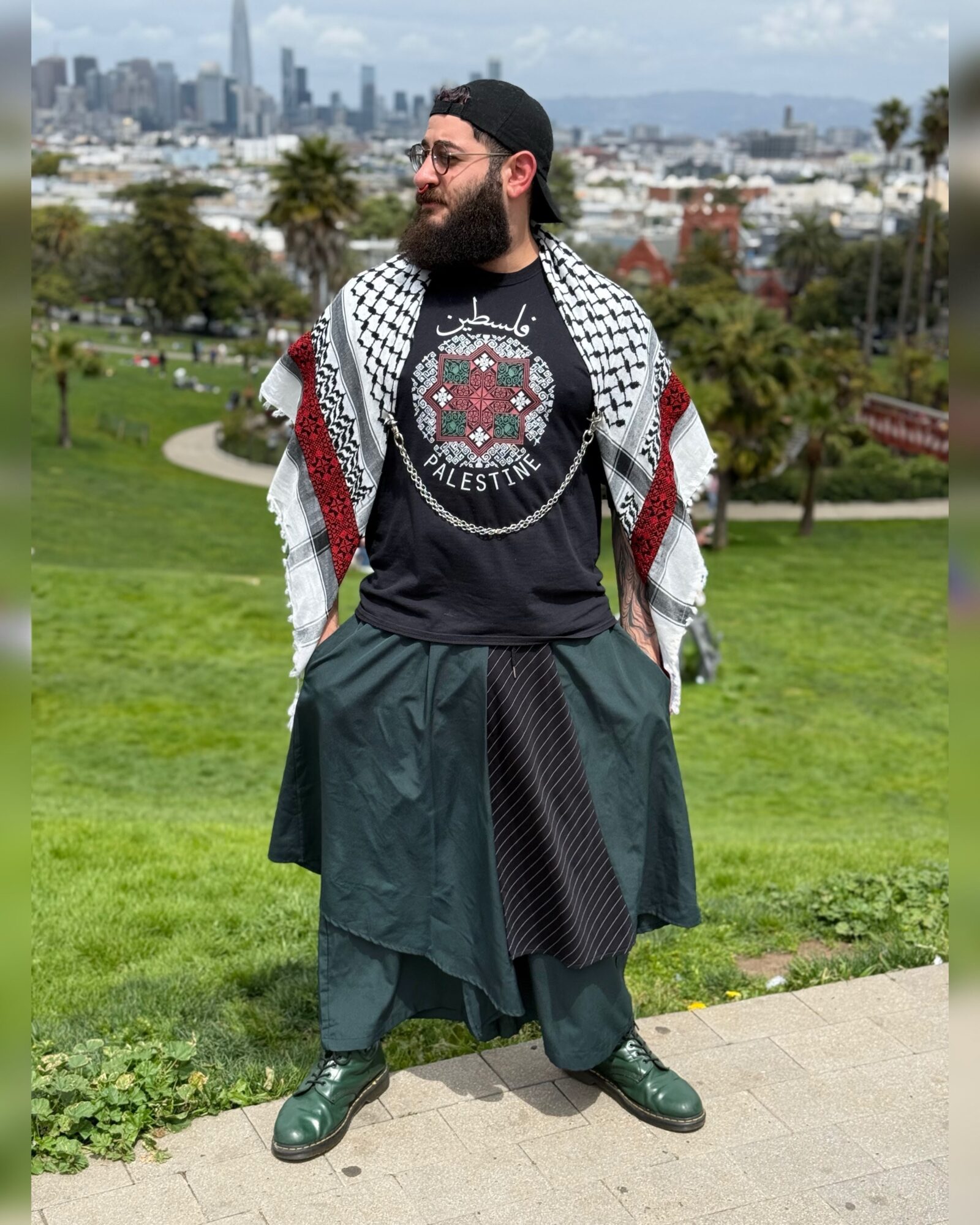
Subeaux: The hate I receive is rarely what people might expect. It’s not always slurs or overt bigotry. A lot of it comes in the form of people telling me to stay in my lane. “Keep politics out of nightlife.” or “People just want to have fun.” And honestly, that response reveals more than any slur would, because it tells me exactly how little those people understand about the spaces they’re standing in.
Queer venues have never been apolitical. Gay bars were meeting places for ACT UP during the AIDS crisis, when our government was letting us die and we had to organize our own survival from the inside of a nightclub.
But it goes back even further than that. The entire Gay Liberation movement emerged directly out of the Vietnam War era. It was the mass anti-war protests of that period that first mobilized queer people together at a scale this country had never seen. Young queer people who refused to be drafted, who were radicalizing alongside the broader anti-war movement, who were done with the respectability politics of older gay organizations that wanted to cooperate with the same government that was criminalizing their existence.
That radicalization, that willingness to be ungovernable and loud and political, is what built the momentum that made Stonewall and everything after it possible. The reason gay bars exist today without police kicking the doors in is because a generation of queer people decided that their liberation was inseparable from a broader fight against state violence and militarism.
And the parallel to our present day politics is not subtle. We are protesting our tax dollars funding a genocide in Gaza the same way queer Americans protested what we now understand was a genocide in Vietnam. The same political forces backing that genocide are the ones passing anti-trans legislation, gutting queer rights, and emboldening fascism domestically and globally.
This is not a separate issue. It is the same fight with a different face.
Queer liberation has always been tied to anti-imperialism, and anyone who can’t see that connection is either not paying attention or has decided their comfort matters more than their community’s history.
What I’ve learned is that the people who want me to be quieter are rarely the ones who will be in the streets when things get worse. And things are getting worse.
So no, I won’t be making myself more palatable. The cover charge of my craft is understanding that my existence has always been political, and I didn’t choose that, the world did, in the same way it politicizes our gayness.
So when I’m told to keep politics off the dance floor, I need people to know, without question, that the dance floor only exists because someone before them refused to do exactly that. They are standing in a space that was built through political resistance and asking me to pretend it isn’t. That is a hill I die on.
Bryce: Everything you just said was so moving that it brought me to tears. I really think it’s so important to connect the dots of our history to what’s going on in the world today so that we can collectively understand each other better.
Thank you for explaining things in this way, and thank you for sharing your experiences with us too. Your authenticity shines so bright, which is something this world needs so much more of.
Can I also just say, I am extremely obsessed with your aesthetic both fashion-wise and music-wise. How would you describe your aesthetic for our readers and what are some of your inspirations that drive that?
Subeaux: How I dress on the street is very different from how I dress behind the decks, and the reason is that as much as I want to be creatively overzealous while getting dressed for a gig, function always wins.
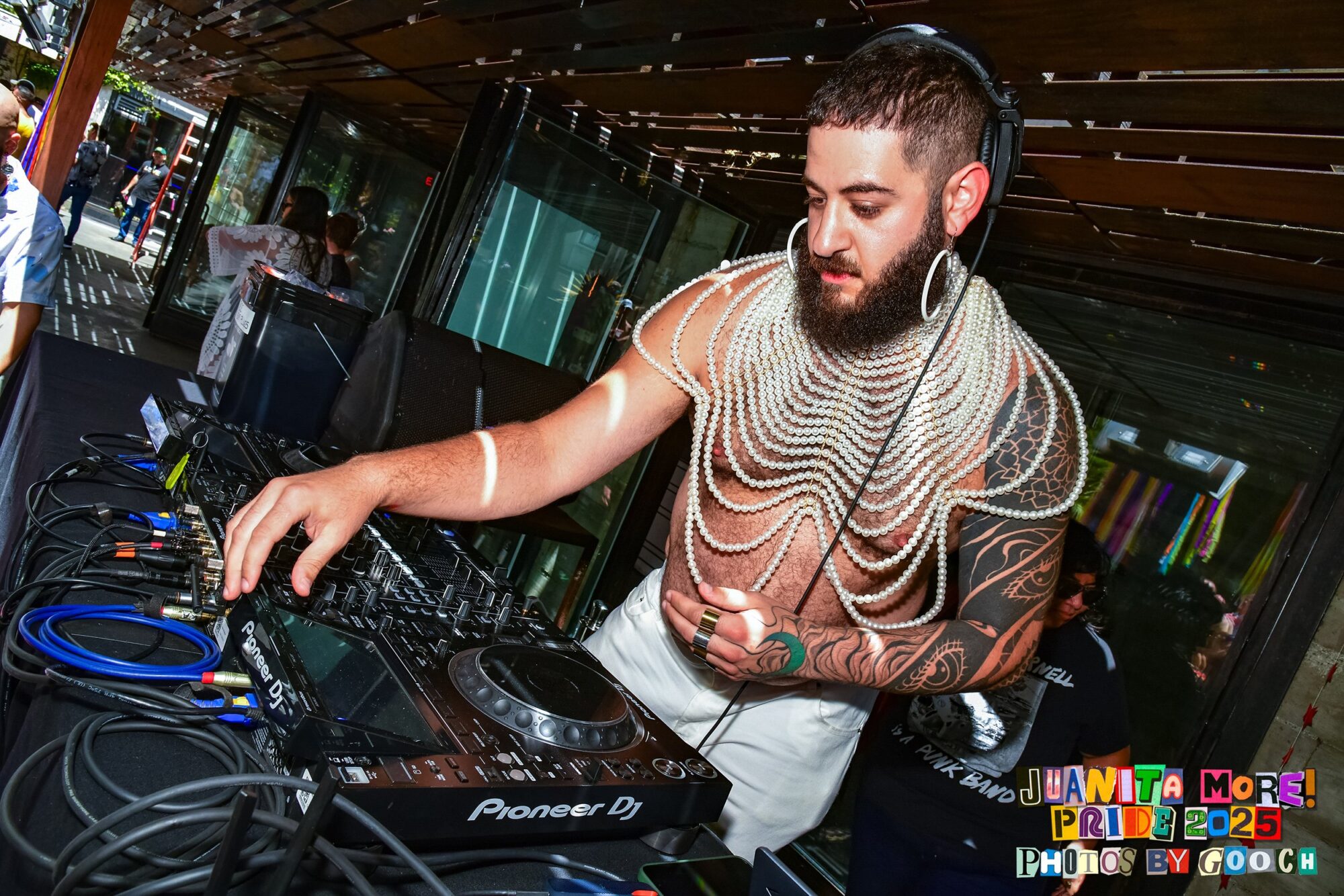
My outfits have to be comfortable for 3-5 hours of sweating and dancing, which eliminates a lot of the more audacious fashion choices. So at the gig my style tends to lean towards functional androgyny, so kilts, skirts, big boots, with a graphic tank top and dangly earrings. It works and it moves.
Off the stage, I think of my street aesthetic as non-binary futuristic bedouin: flowy fabrics, lots of draping, over-accessorized, a ring on every finger, dangly jewelry, color-coordinated sunglasses, piercings, and the biggest Doc Martens you’ve ever seen (sized 13 for all you feet men out there).
As for inspiration, I don’t really pull from any one person or place. I find ideas in the mundane as much as in the whimsical. A trip to the hardware store can spark something just as easily as an episode of Project Runway.
My whole aesthetic at its core is an amalgam of the ordinary and the unexpected. But if you look closely at what I wear and how I present myself, there are things that keep coming back: crescent moons, evil eyes, arabesque patterns. That’s the thread that runs through everything, my culture showing up quietly but consistently in the way I adorn myself.
Bryce: I’m literally in love with your aesthetic, and I am taking notes! This next question is an essential one that I ask in every single interview that I do. It’s a requirement at this point! What are some of your personal favorite foods, dishes, and restaurants?
Subeaux: I’m a sucker for anything that involves phyllo dough. I mean, pretty much anytime you have layers of butter in between layers of dough of any kind, I’m sold. That means croissants, southern biscuits, baclava, warbat, danishes—you name it, I’m into it.
My all time favorite meal for the morning after a long night of spinning music and dancing has got to be a Bloody Maria (that’s a bloody Mary with tequila instead of vodka) and a big sizzling chicken fried steak with a side of fries and mashed potatoes, with at least 3 different condiments for the fries, of course, cuz this big boy likes dipping options.
Bryce: So now I’m hungry, and I will be eating what you’ve recommended hahaha
Outside of being an outstanding DJ and producer, what are some of your interests and hobbies?
Subeaux: I’m someone who is always crafting. You can usually find me at my 3D printer or sewing machine making something. I’ve had to hotglue myself out of a fashion crisis or two and I wear that skill as a badge of honor. I will happily find a creative use for almost any object you put in front of me. I’ve disappeared into a project for an entire weekend and came out looking feral more times than I can count.
I love a good solo adventure video game as much as a multiplayer one, and my current delight is the Lord of Hatred expansion of Diablo 4, which is my favorite way of staying connected to my long distance friends and lovers.
On the quieter side of things, I like to read, write poetry and journal, and play board games. My newest obsession has got to be doing the crossword, and wordle was the gateway drug that led me there. Dangerous stuff, folks.
I’m really big on travelling when I can, and I’m genuinely blessed with friends scattered across the globe, people who crash with me when they’re in SF and whose couches I shamelessly rotate through when I need to get away for a while.
But honestly, my most unusual hobby is mushroom foraging in the Pacific redwoods, which I recognize sounds like the opening of a wellness influencer Instagram reel, but hear me out. Most people don’t realize that the Pacific Coast is home to several hundred edible mushroom species, and there is something deeply satisfying about walking out of those trees with dinner.
I almost always bring a handsome man along for the hike, partly for company and partly because if I get lost out there I want someone good looking to be the last thing I see. Priorities.
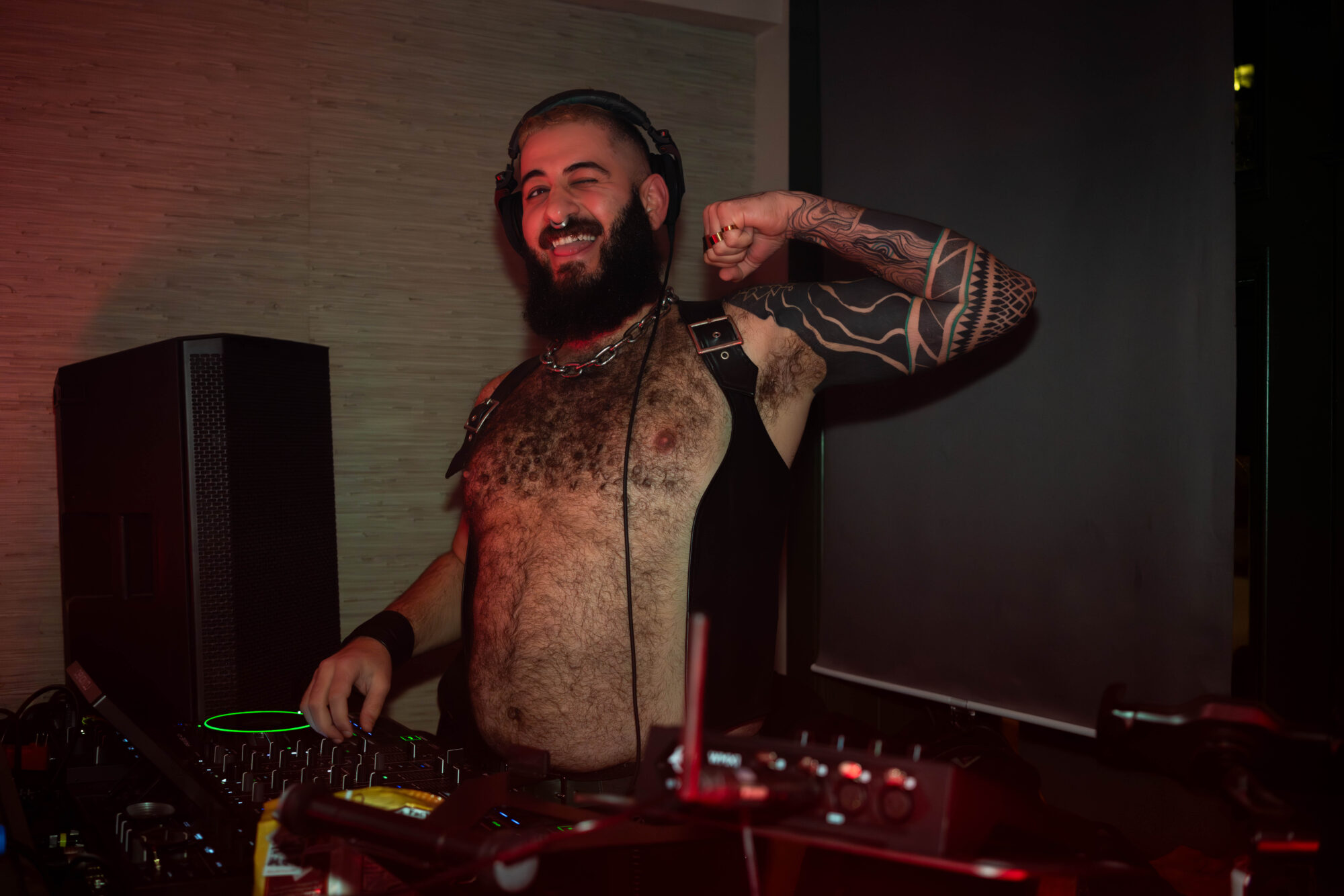
Music is throughline across all of it honestly. Whether it’s crafting, cooking, gaming, or reading, there is always a carefully curated soundtrack running underneath it. I believe that’s exactly why DJing occupies so much creative space in my life.
No matter where I go or what I’m doing at any given moment, my mind is always on the music. It’s the one constant.
Bryce: I really appreciate you taking the time to speak with me! Is there anything else you’d like to share with our readers today?
Subeaux: I’d like to leave you with the biggest piece of advice that I find myself coming back to over and over again, for myself as much as for others around me: move through life with as much honesty, authenticity, and vulnerability as possible.
People underestimate how radical those things actually are. Especially for those of us who grew up being told in one way or another that who we are is too much, too complicated, too different, or not enough.
The instinct to shrink yourself, to make yourself easier to digest for other people is conditioned. Unlearning that is real work, and I still struggle with it sometimes.
But what I have found, in my music, in my community, in my relationships, is that the moments that have actually mattered, the connections that have actually held, have always come from leading with the truth of who I am and how I feel deep down even when that feels risky. People tend to idolize the polished version of you, but they will actually connect with the real you.
So that’s what I’ll leave you with. Take up space. Tell the truth. Let people see you. It’s worth all the trouble.
Be sure to give DJ Subeaux a follow on Instagram to keep up with where he’ll be next, show some love in the comments, and listen to his mixes on SoundCloud!
Subeaux’s Links – Linktree – Instagram – SoundCloud