
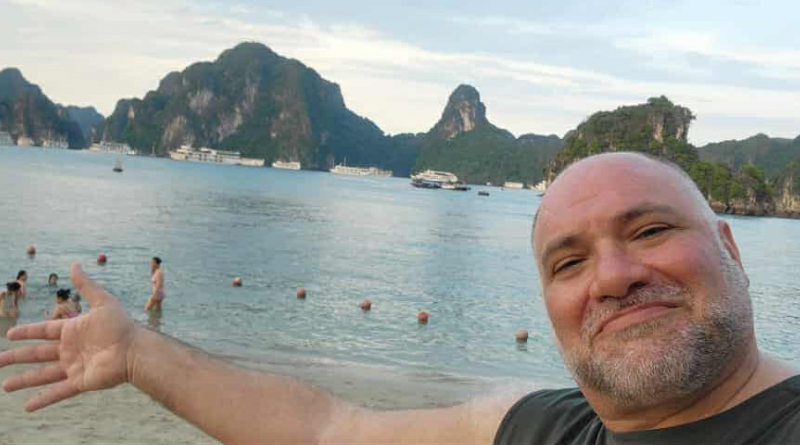
Meet Sergio Di Martino, the resilient, driven and passionate Argentinean bear living in NSW
It is my pleasure to have the opportunity to interview Sergio and uncover his tale of struggle, grief, sorrow and survival. Sergio was born in May 1975 in Buenos Aires, Argentina, to a traditional Italian Catholic family that had immigrated from Italy after World War II. He was born in Argentina to first-generation parents and is the second child after a miscarriage. His childhood was marked by poverty in a home struggling within a third-world country still facing financial turmoil. The year of his birth coincided with one of Argentina’s worst economic crises, known as “The Rodrigazo,” named after the Minister of Economy, Rodríguez.
Economic crises were a constant in Sergio’s life. By age 35, he had survived six major crises, including hyperinflation of 1000% and the 2001 government confiscation of all citizens’ savings, never to be returned (known as the “little yard”). At his birth, his home had only a table with four chairs and two mattresses on the floor, as everything else was sold to pay debts. This harsh reality likely influenced his strict and physically punishing upbringing for any typical childhood mischief or naughtiness. Although life improved at times and basic needs were met at home, it was difficult for Sergio to grow up among children with greater access to abundance and possessions.
At 12, Sergio’s difficult life took a turn for the worse when his mother told him and his brother that their father had suffered a heart attack. The specific Spanish term used prompted Sergio to take a quick run and look up its meaning in the only dictionary they had, revealing that his father might not survive. With his father barely surviving the heart attack, the situation at home worsened. At 14, Sergio took his first job to avoid being a financial burden, delivering newspapers, cutting grass, washing cars, helping at a produce market, and painting fences and houses until he finished high school at 17.
Continuing the life he had as a child was difficult. While his friends enjoyed typical teenage lives filled with free time and fun, Sergio worked constantly. After two years in abusive, underpaid office jobs, his first major opportunity came when he started working at the head office of Carrefour, a French international supermarket. Life began to improve as his older brother was about to get married, allowing Sergio’s almost non-existent relationship with his father to grow. However, his father passed away during a nap on the wedding day. And so with his father gone and brother married, Sergio had to care for his depressed mother, an Italian widow who had devoted her life to being a housewife.



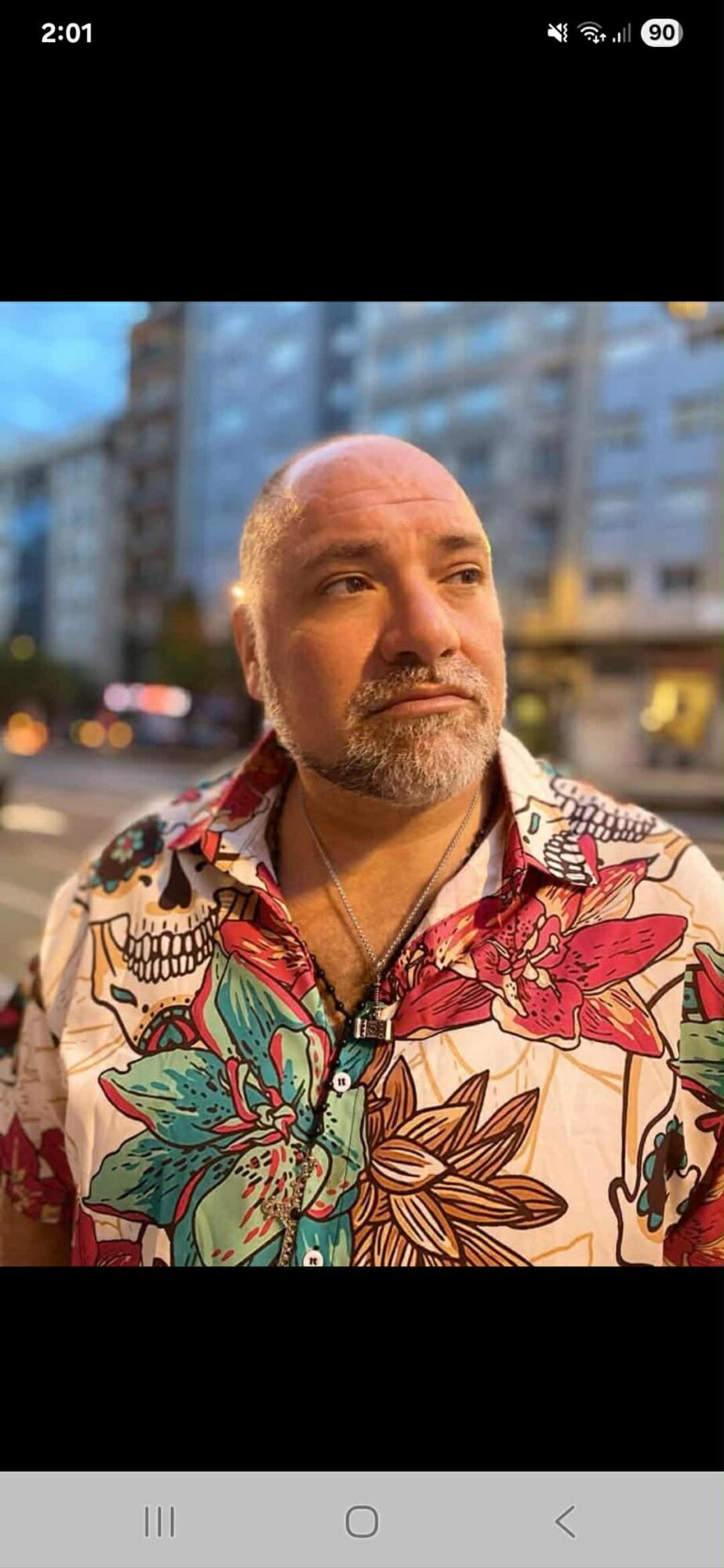
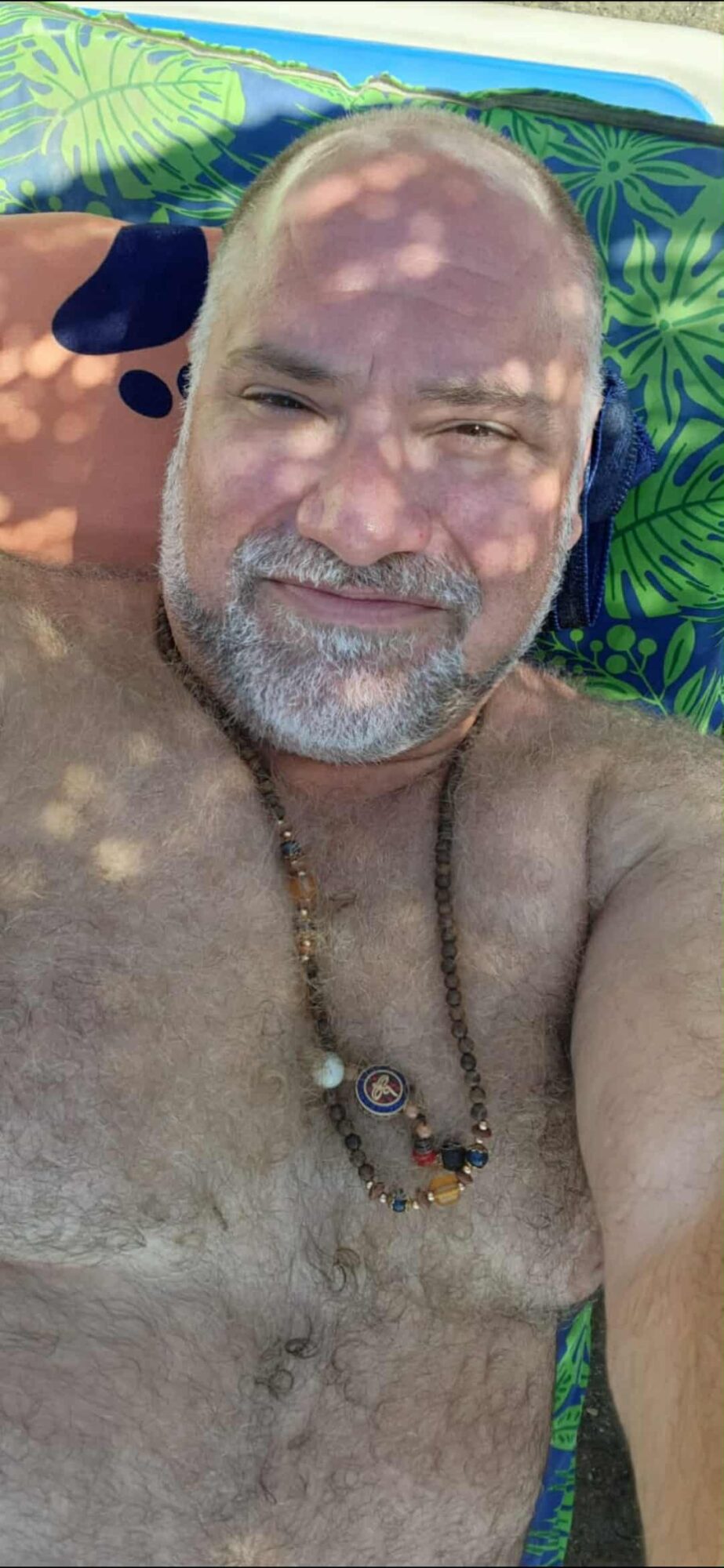

Sergio continued as best he could. After two years at Carrefour, realising his future was uncertain, and money was scarce despite hard work, he decided to attend college. Over six years, he earned a degree in business management, attending night classes from 7 p.m. to 11 p.m. while working 8 a.m. to 5 p.m. Monday through Friday, as Argentine universities hold classes in the evenings. By then, after changing jobs, Sergio’s career had taken off, and he became a young prodigy with a managerial position at Nestlé Argentina. However, the 2001 crisis struck again, confiscating all his savings. The crisis not only took his savings away, also drove his family to move to Australia, exhausted by the constant injustices.
At the age of 27, Sergio found himself alone in a country that, while pleasing to him on a personal level, was very difficult to live in. At the peak of his career, Sergio chose to stay and keep fighting in Argentina. However, in 2011, facing another looming crisis, he moved to Australia to be near his loved ones and finally start a quieter life. After learning English, Sergio worked tirelessly. In his 50s, he achieved a happy ending by retiring and dedicating himself fully to his passion for construction.

Although his life is better today, the wounds from past trials have left lasting scars. These scars remind him of his efforts, resilience, and determination to overcome adversity. Though it wasn’t his choice, he had to toughen up and build his own armour and always keep his defences up to continue until today and not give up on the way trying.
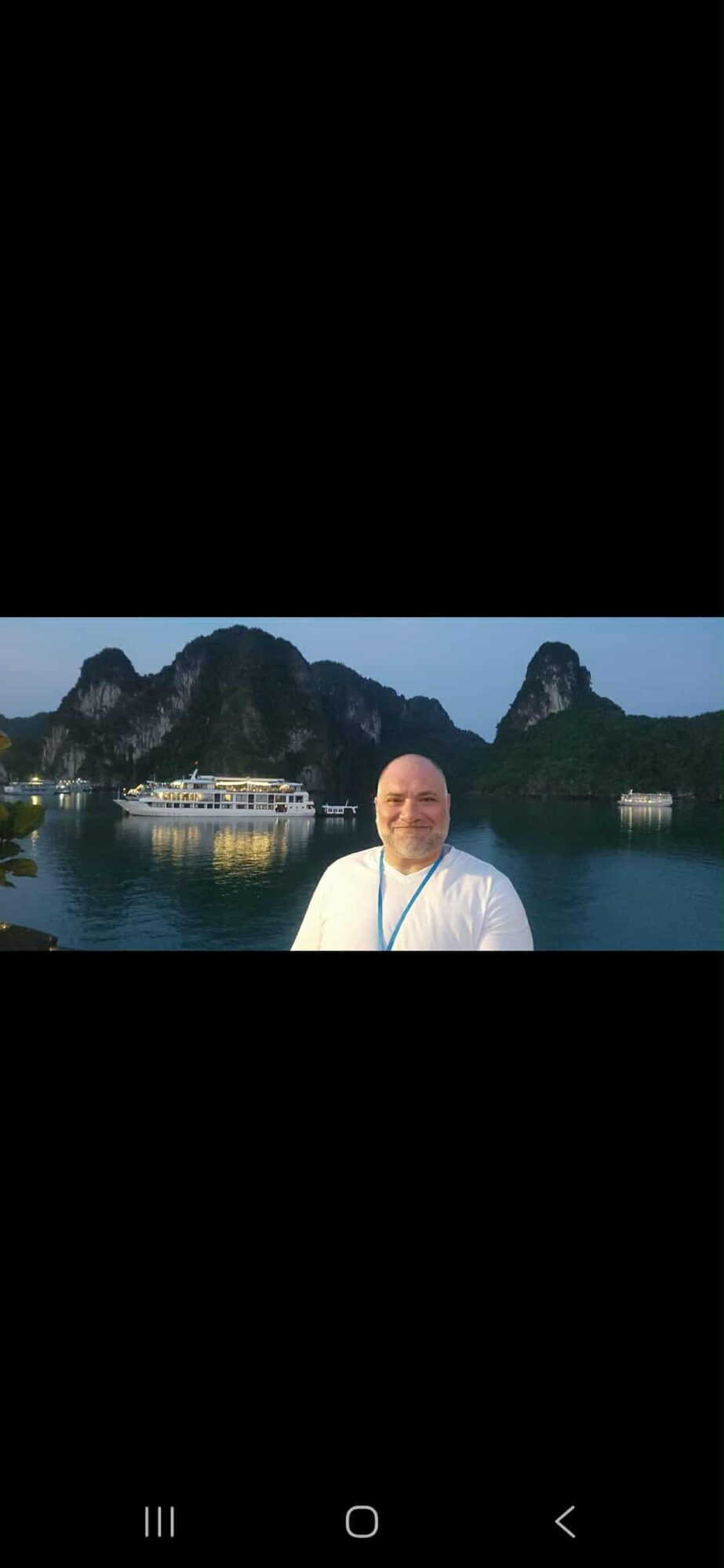
Luka Musicki (L.M.): Bienvenidos: So welcome, Sergio, thanks for agreeing to be part of this interview. So, tell us what life is like for you in Argentina and Australia? Similar or different lifestyle?
Sergio Di Martino (S.D.M.): Trying to compare a Latin American country with Australia is like mixing day and night—totally different vibes! Argentina is fantastic, with Buenos Aires known as Latin America’s most European city. Australia, on the other hand, has a distinct British flair. Habits, food, schedules—everything varies wildly. In Buenos Aires, dinner kicks off around 9–10 PM, and for the brave, even 11 PM or later. Partying? A Saturday night dance starts around 1–2 AM Sunday and goes until 7–8 AM, followed by after-parties until midnight—yes, it’s a marathon! Latin people chat with passion, waving hands and drama included. Aussies? More reserved, private, and low-key, with their own charming way of expressing themselves. I had to dial down my extroverted Latino energy to fit in down under. But Australia’s nature is magical—beaches, mountains, endless greenery right outside your door. Different lifestyles, both with plenty of charm and worth experiencing, even if just for a quick getaway!




L.M.: When was your first visit to Australia? What made Australia special to make it home? And living south of NSW in Wollongong has a lot of coastal people, right?
S.D.M: The first time I visited Australia was in 2003. My family had already been living there for nearly two years, so it was a must-see. Plus, my mom was getting married for the second time—a perfect occasion to bring my 80-year-old grandmother along. It didn’t feel like home right away, but many things caught my eye: spacious streets, open houses without fences, and the abundance that, coming from Argentina, was a novelty. I discovered a peaceful lifestyle where stress seemed optional. That trip took me to the Gold Coast’s theme parks and Brisbane; later visits included Hunter Valley, Melbourne, and South Australia. With each trip, I liked Australia more and more. By the time I moved in 2011, after four or five visits, it already felt like home. Choosing Wollongong was a no-brainer—my family was there, and it was exactly what I needed: peaceful, stress-free, and a fresh start to learning Aussie life. I’m not sure I’m a total “coastal person,” but I love being near the ocean and its natural energy—it’s soul-healing. The waves bring new vibes while washing away the old. Sometimes it’s a bit quiet, but I appreciate the calm, the lack of traffic jams, and the peaceful vibe of such a natural spot.
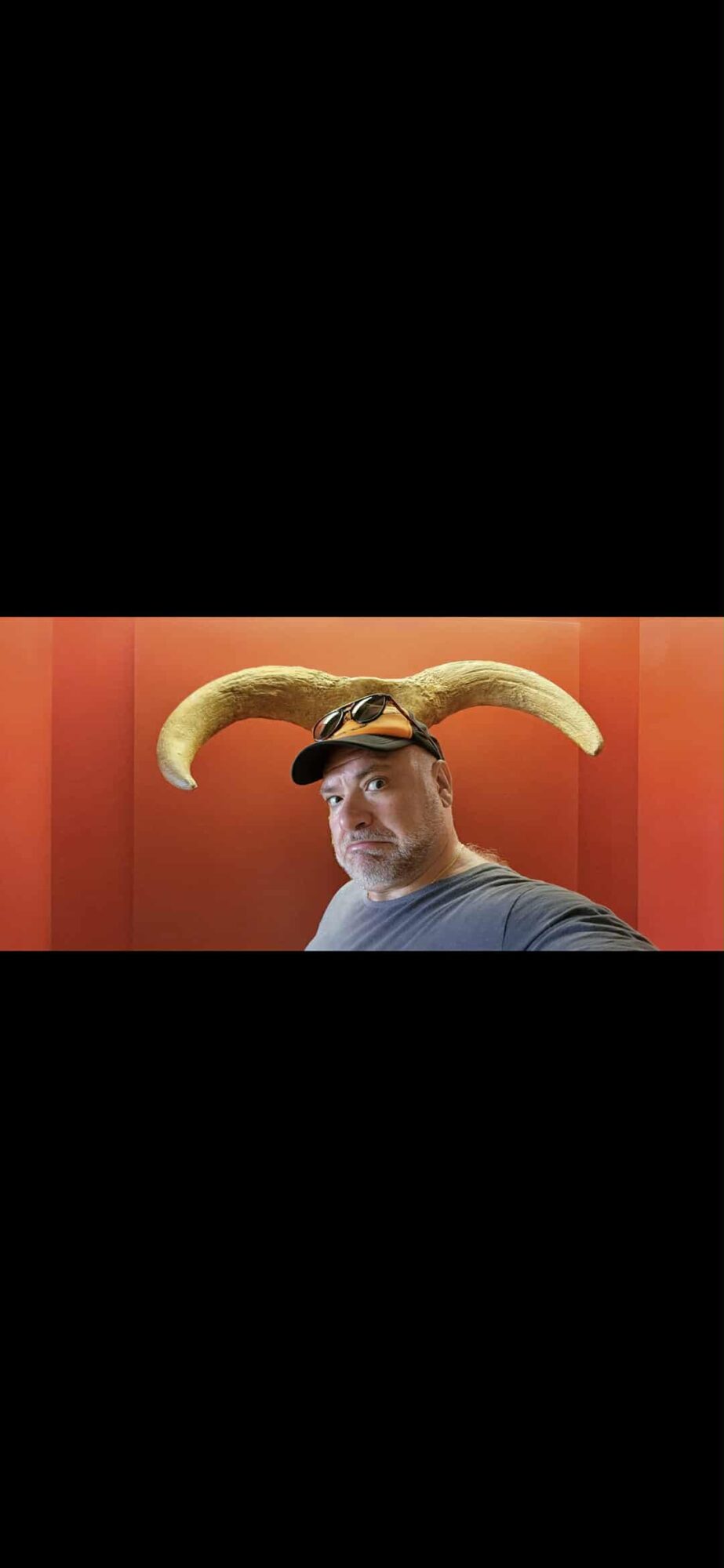
L.M.: So, do you speak more than Spanish and English? And I have to ask this silly question, but do people who speak Spanish in Argentina and Chile differ than those of its neighbours in the Latin American community, like Colombia and Mexico? Similar to the English from Australia, USA, UK and Canada?
S.D.M: Spanish is my mother tongue—the first language I grew up with. I learned English when I moved to Australia, and wow, that was a challenge. Besides Spanish, I also speak Italian and Portuguese. Italian was the home language during childhood since my whole family is born in Italy, and I picked up Portuguese from working with Brazilians for several years. This is Spanish, Italian, and Portuguese are grammatically very similar. However, English its grammatically the opposite of Spanish basically. I actually left my first TAFE class in tears—now I laugh about it, but it was tough! Hence, so far, I know four languages. We still speak Spanish at home, and I use English in my daily life out of home. My Italian and Portuguese; are now bit rusty—I should take some classes to bring them back again. A funny fact and family moment: when my stepfather was alive, our home conversations were a hilarious language mashup. He spoke only English and Italian, my mom spoke Italian and Spanish but limited English, and I spoke mostly Spanish and English but barely any Italian. So, he’d speak Italian to mom, she’d reply in Spanish to me, and I’d answer him in English—total chaos! But somehow, we understood each other. Just like the different English accents worldwide—Australian, British, American—Spanish has its versions too. Argentines speak Spanish a bit differently from Mexicans or Chileans, but we get along just fine, aside from a few words or phrases that need explaining.
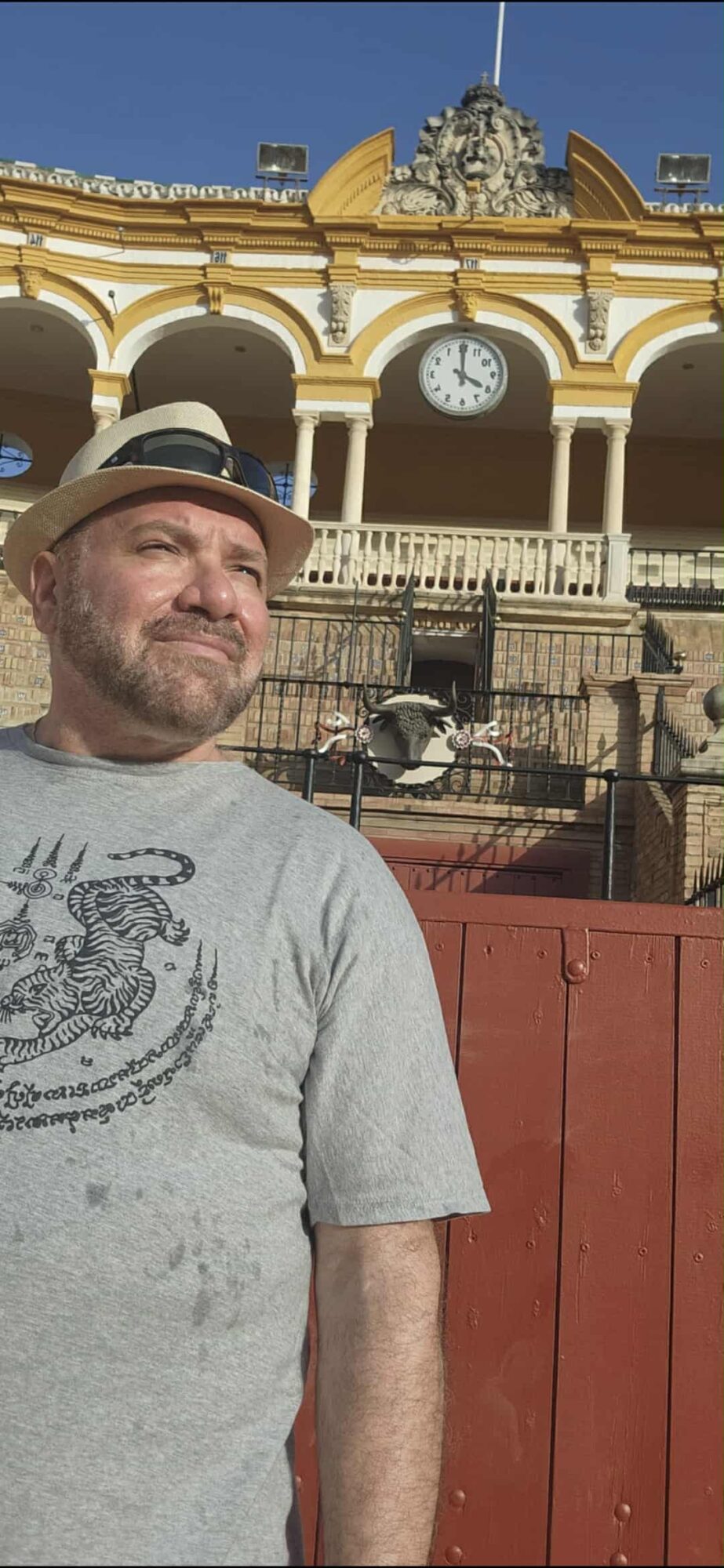

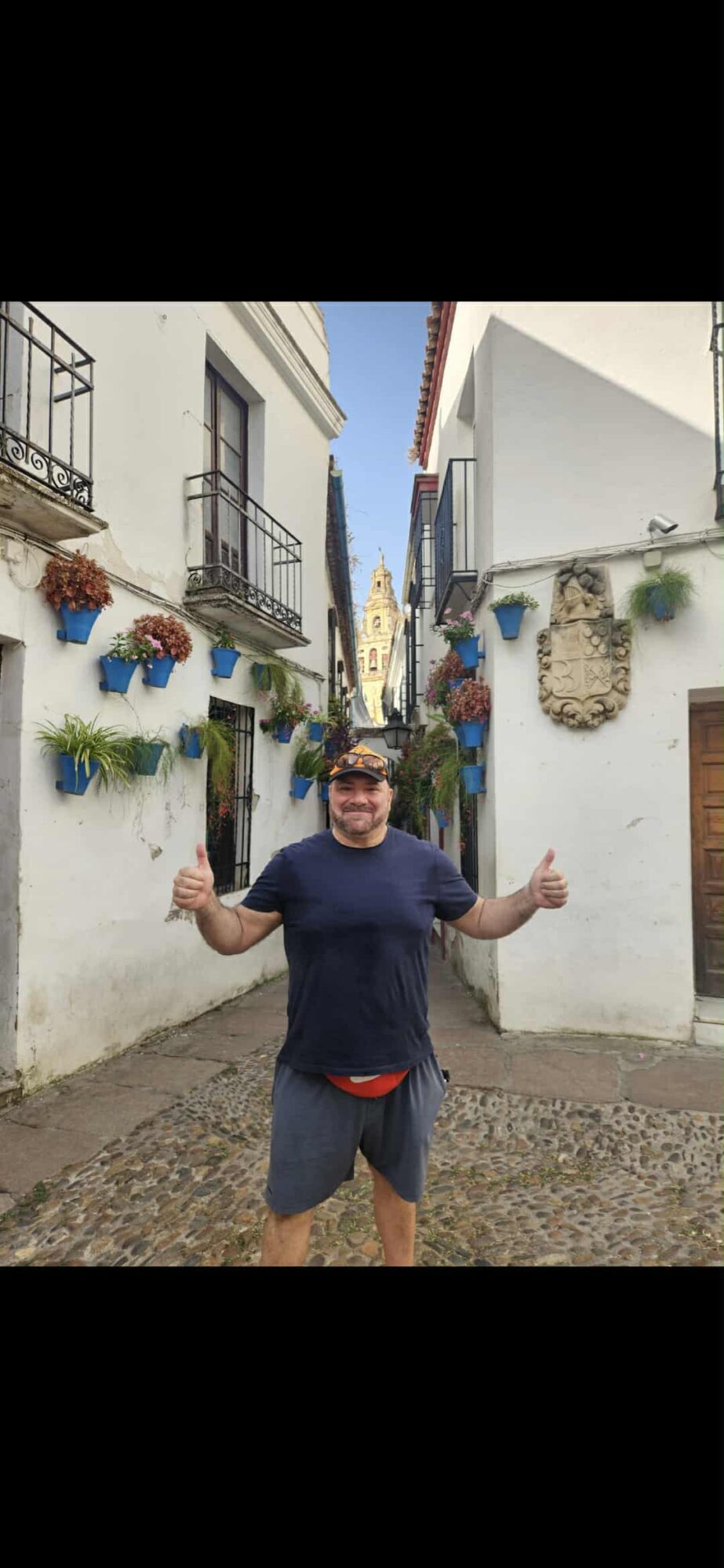
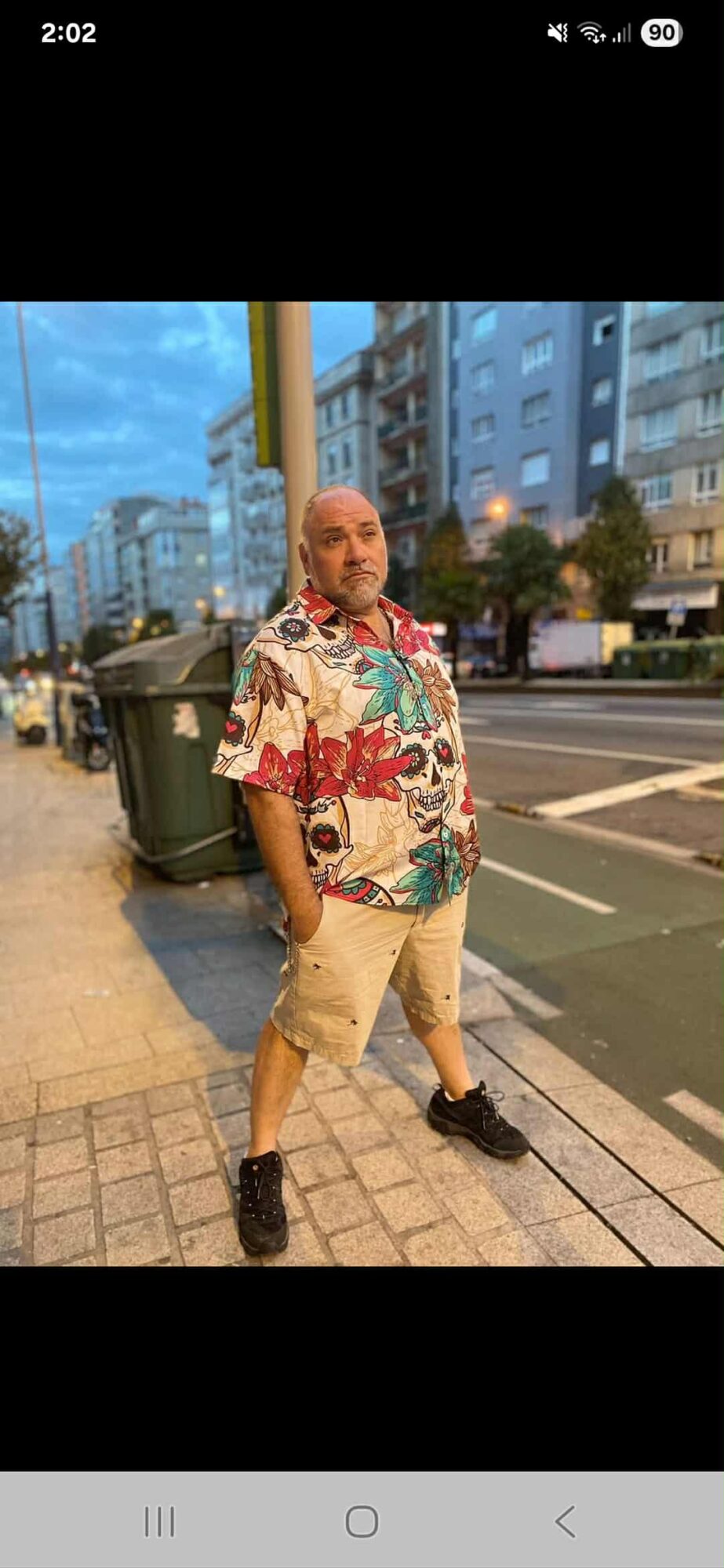

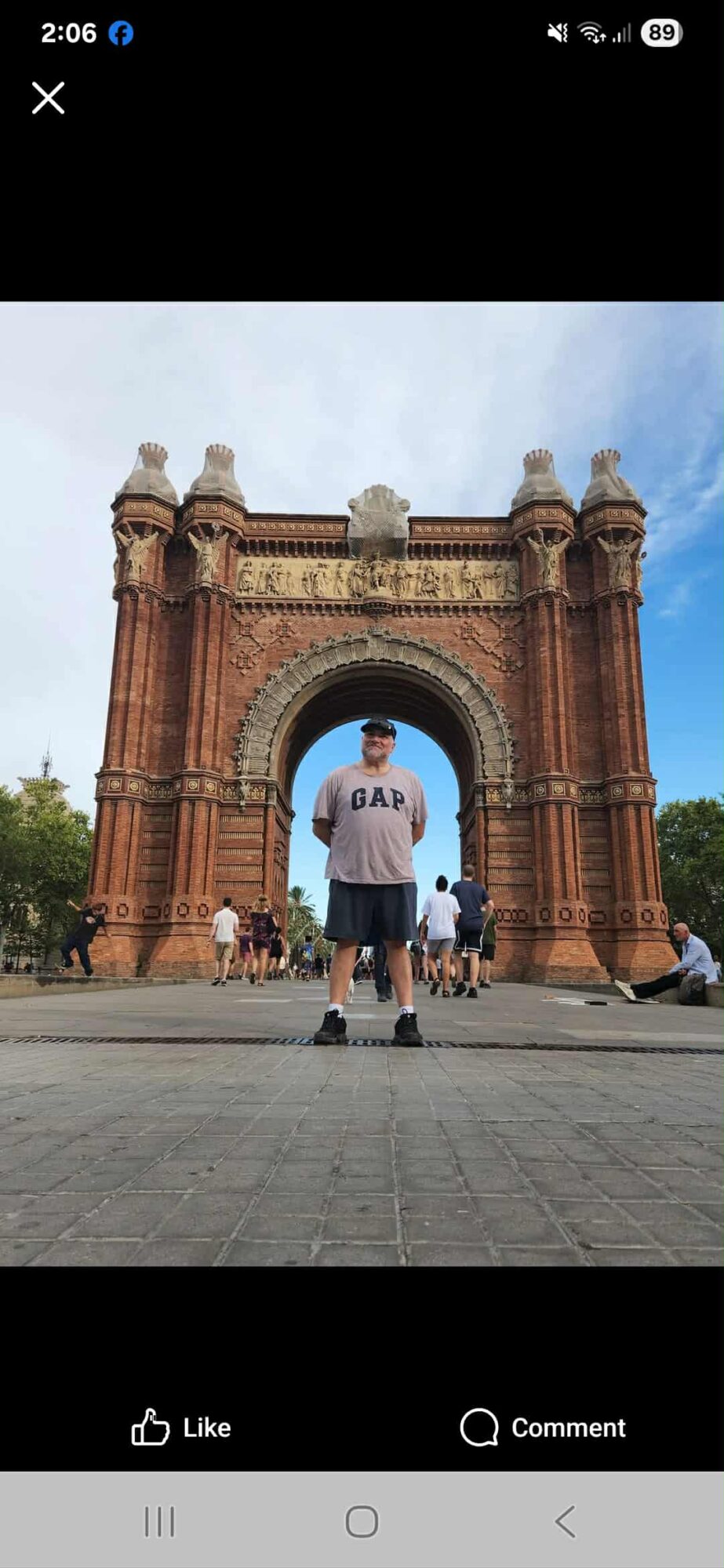
L.M.: I can see from your social media posts that you do a lot of travelling – where have you been to so far in your life? What are your favourite places to visit, and what has been your experience meeting other queer folks? And are there any future plans for travelling? And I can see that you put both Spanish and English versions of your posts – mostly English or Spanish speaking in your following group on social media?
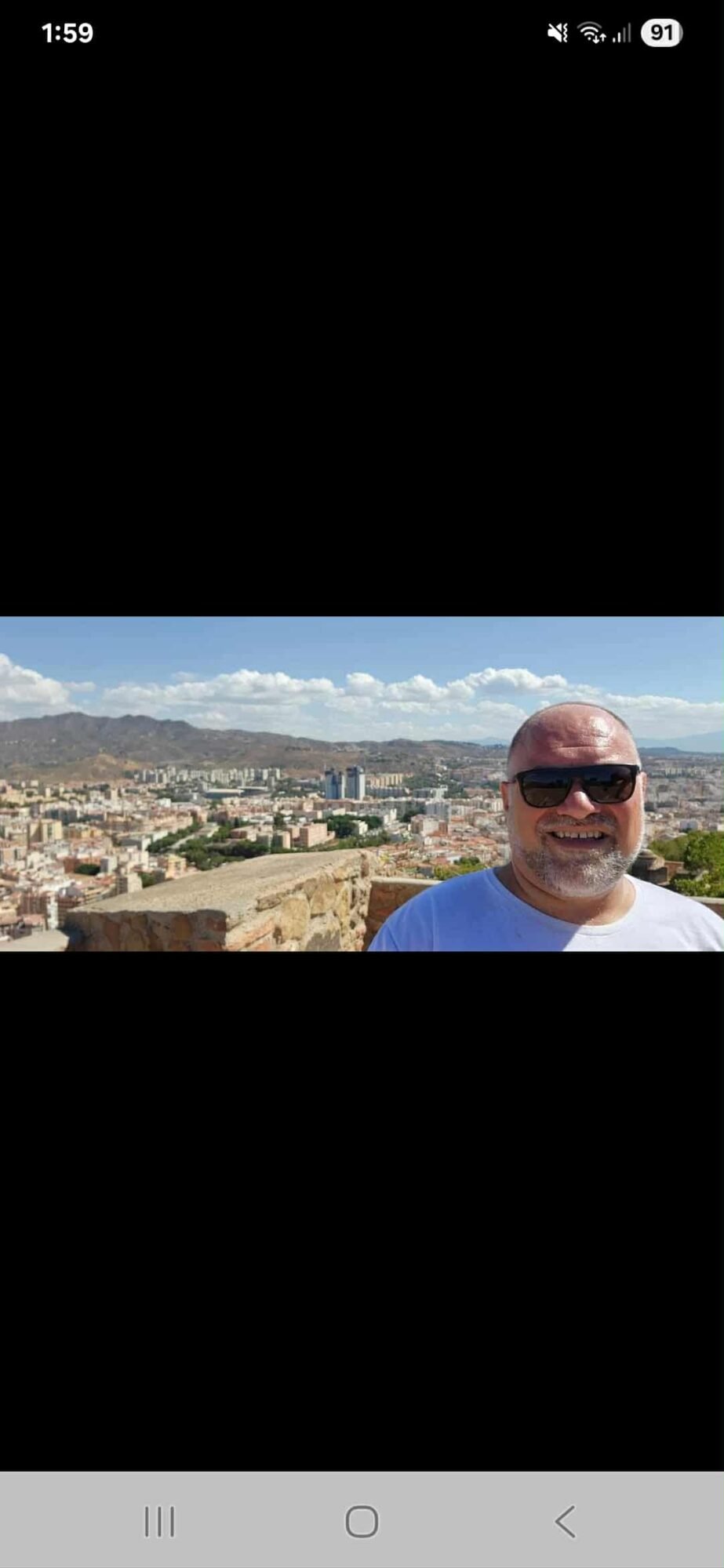
S.D.M: Travelling was always a dream of mine from a young age. I suppose it was a difficult dream for someone living in Argentina, far from everything and struggling financially. Today, it’s one of the things that brings me the most happiness. It makes me feel alive and gives me a sense of accomplishment that’s sometimes hard to contain. Every time I get on a plane, I tend to cry with happiness. I also use traveling to learn about other cultures and ways of life. I’m extremely curious, and it’s a way to remain grateful for the things I have, the things I’ve achieved, and the things I can do today. I’ve visited wonderful places like Brazil, Peru, the USA, Spain, New Zealand, Vietnam, Cambodia, Thailand, Indonesia, and China. The list of places I have left is endless, but I’m going to try. My travels aren’t only or necessarily related to gay life, although I always try to get to know those aspects of the cities I visit as well. My trips are more related to cultural issues and to seeing landmarks I’ve always dreamed of seeing in the flesh. That said, I also recognise that the bear events I’ve had the pleasure of attending in different parts of the world have been incredible and have helped me make new friends from different parts of the world. My immediate travel plans have my heart set on two places primarily. One is Mount Everest, climbing to an altitude of about 6,000 meters. And the other is a safari in Africa. I’ll decide, probably with a coin toss. Today, it’s hard for me to determine where home is. Part of my heart will always be in Argentina, and part in the country that gave me the opportunity to grow even more: Australia. And perhaps I can even say that it can no longer be one or the other, but both, or maybe neither. But the truth is that I have people I love and who love me in both places. Posting in both languages is a way to share with both. And especially for the people of Argentina who currently don’t have the possibility to travel. It’s like an invitation to travel with me and share everything I can and that they can see through my eyes. I can lend them my eyes for a while, posting for them.
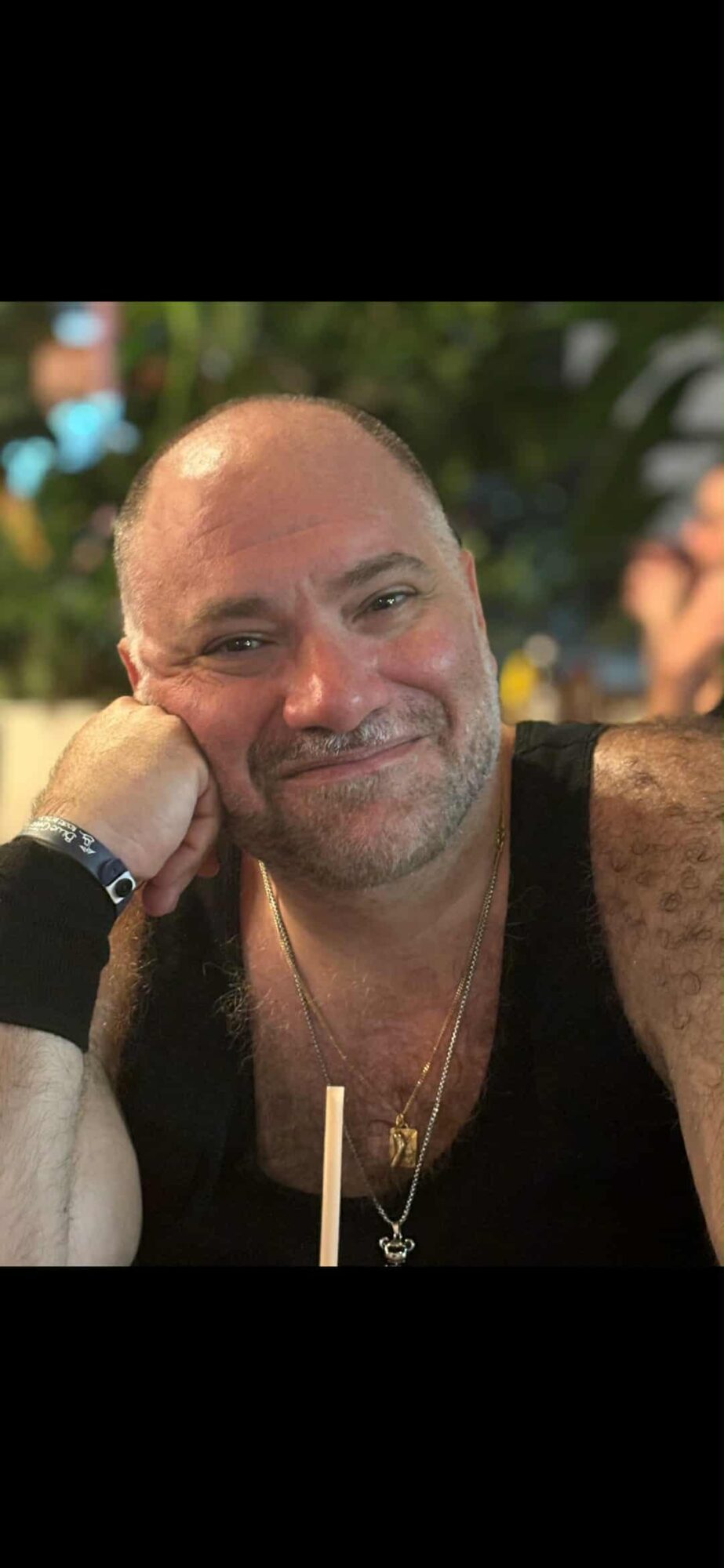

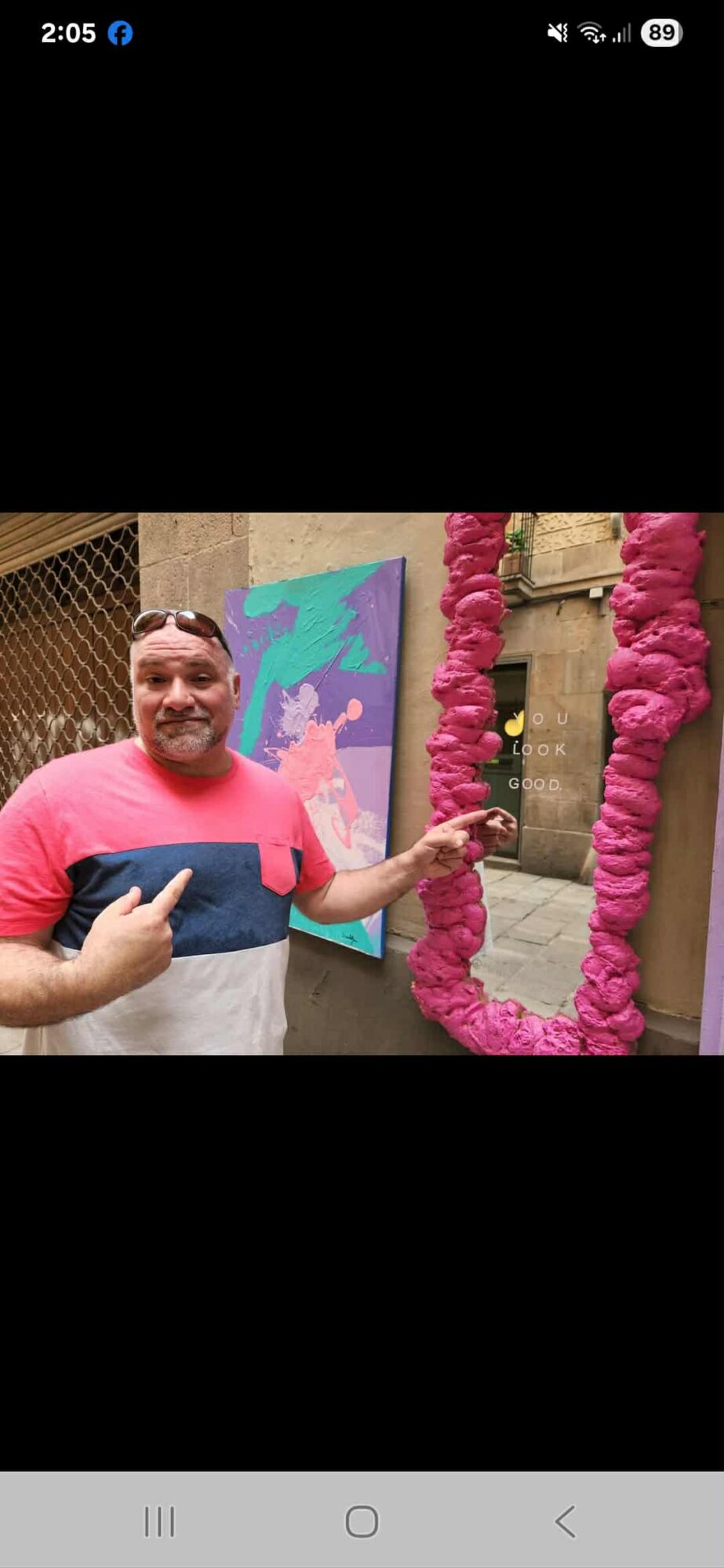
L.M.: Would you say being a bear has helped or hindered your career and being who you are in queer community? Is your audience primarily bears for work and life?
S.D.M: Being a bear wasn’t easy at first—I wasn’t sure how a gay man with a very unconventional body would be accepted. Then I found the “Buenos Aires Bear Club.” Now I’m a lifetime member and was the event producer and host for three years. These safe spaces gave me tons of confidence and self-esteem, turning me into an activist for community rights and bringing visibility to a group that was pretty unknown back then. Keep in mind, this was almost 20 years ago—being gay wasn’t what it is today, and being gay, fat, and hairy was even rarer. The club helped me face my fears of rejection. Not just that, I went on stage—singing, dancing, stripping, and MCing parties. I even appeared in debates on TV during the fight for same-sex marriage in Argentina in 2010. So yes, being a bear definitely shaped who I am. To my main crowd, I relate way better to bears!
L.M.: Is there any advice that you would give someone (like a bear) who is interested to move to Australia to make it their new home, and what is involved?
S.D.M: The best advise, or at least the one that worked for me is if you have a reason to move, just go for it. It’s not easy, but it’s definitely possible. Make a plan, build a safety net before you move, and have backup options in case your first plan hits a snag. Knowing your visa status and how to keep it in good standing is key. Learning some of the language upfront helps too. But most important? Be mentally tough. Don’t give up easily. If you really want it, fight for it. Think big—and then think even bigger.
Let’s share a little tale that might help.
There was an ordinary man who was obsessed with the idea of finding success. But no matter how hard he tried, success seemed to hide from him. He felt like giving up. “Is success even real?” he wondered. “I’ve done my best. Why won’t it come to me?”
One day, he heard about a great and wise guru who knew the secret to success. The man decided to travel a long, long way through forests, mountains, and rivers just to ask this guru one question. When he finally arrived, a warm small sign said, “You may ask me one question. And one question only”.
With hope in his heart, the man asked, “Where is success? How do I find it?” The guru didn’t say a word. Instead, he pointed with his finger to a narrow, almost-hidden path covered by thick trees and bushes. It looked dark and a little scary. The man thought, “This must be the way!” He took a deep breath, stepped onto the path, and started walking. But no sooner had he gone a few steps than a group of shadowy figures jumped out and started hitting him!
Scared and confused, the man ran back to the guru and asked, “Are you sure this is the path to success? Because it feels like a trap!” The guru just smiled and pointed again to the same narrow path, without saying a word. The man decided to try again. “I’ll be brave this time!” he said. So, he walked back down the path, determined to reach success. But once again, the shadowy figures appeared! They knocked him down, worse than before.
When he came back, hurt and angry, he grabbed the guru’s shoulders and said, “Talk to me, tell me why you’re sending me down this painful path! I want success, but all I find are blows and scars.”
The guru smiled warmly, finally talk and said, “Success is just beyond those blows. The difference between those who find success and those who don’t is that the winners keep walking, even when it’s tough. You turned back too soon. Success waits for those who don’t give up.”
And that, my friends, is how success is found—not by turning back, but by walking forward, step by step, through all the challenges.
So, if you want to move to a new country or chase a big dream, remember the man and the path. Don’t stop when things get tough. Keep going, because the best things in life are just past the bumps and bruises.
L.M.: What are your career goals for the future?
S.D.M.: The future is just around the corner, and after a lot of hard work, I’m about to reach it. Soon, I might stop working the usual Monday-to-Friday grind and focus fully on construction projects, freeing up time to do what I love most, travel. I’m even hoping to take on construction jobs in Europe, which would make exploring the continent and travelling a breeze. Fingers crossed! But honestly, I don’t rely on luck, luck is random. This success is no accident; it’s the result of careful planning and effort, with hardly any setbacks along the way. And that’s exactly where I’m headed.

L.M.: Anything that you would like to share that has not been asked that you would like to share?
S.D.M.: Since you’ve given me the opportunity, I’d like to share an old Brazilian poem. I think the poem is even older than I am, and in some ways, it represents this life journey I shared with you.
I swore lies to my own self, And I walk alone
I assume my sins
The northern winds, don’t move mills
And what’s left for me, is just a groan
My life, my dead ones, my crooked ways, my Latin blood, my captive soul
I broke treaties
I betrayed the rites
I broke the spear
I launched into space
A scream, an outburst
And what matters to me
Is not feel I’m defeated
My life, my dead ones, my crooked ways, my Latin blood, my captive soul
I’m not defeated…



L.M.: Very deep, muchas gracias por esto, Sergio. Now it is time for some quick-fire questions.
- Location: Wollongong, Sydney, NSW, Australia
- Pronouns: The only possible ones for a man. He Him.
- Relationship status: Single
- Favourite Drink(s) – I have seen your cocktails posts: Peach Daikiri
- What type of guy are you into? Stocky Bears
- Favourite Cities/Vacation Spots: So far, Malaga, Spain.
- Favourite Hobby or Pastime: Singing and music in general.
- Idea of a good date? I don’t know. Let’s start by being honest with each other.
- What do you look for in a guy? Just be you. The rest will happen if it has to.
- Where can you find yourself? Website, Facebook, Instagram, etc.:
- Facebook (FB): Sergio Di Martino
- Instagram (IG): sergio.di.martino
Gracias, Sergio, for your time to have the interview, and I hope to bump into you on the beaches of NSW.
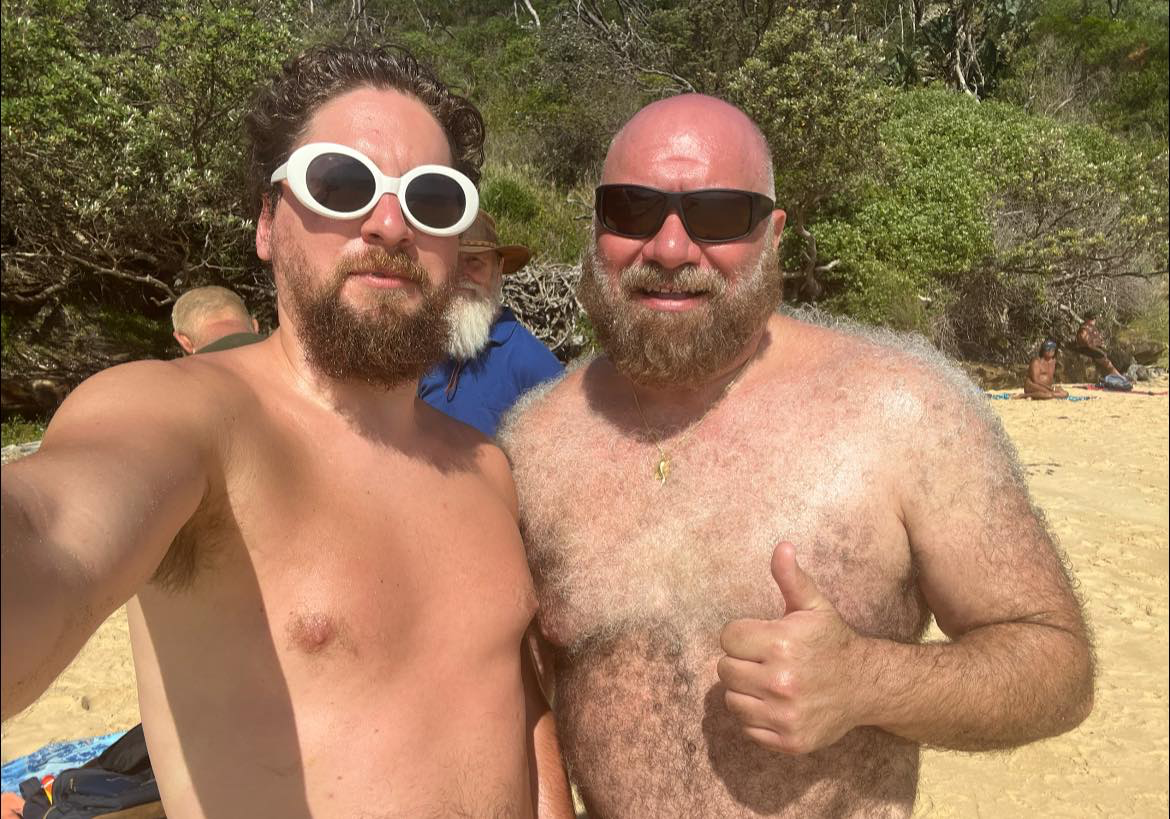
Picture: Bear World Deputy Editor, Luka Musicki, with the handsome and burly bear, Sergio Di Martino.