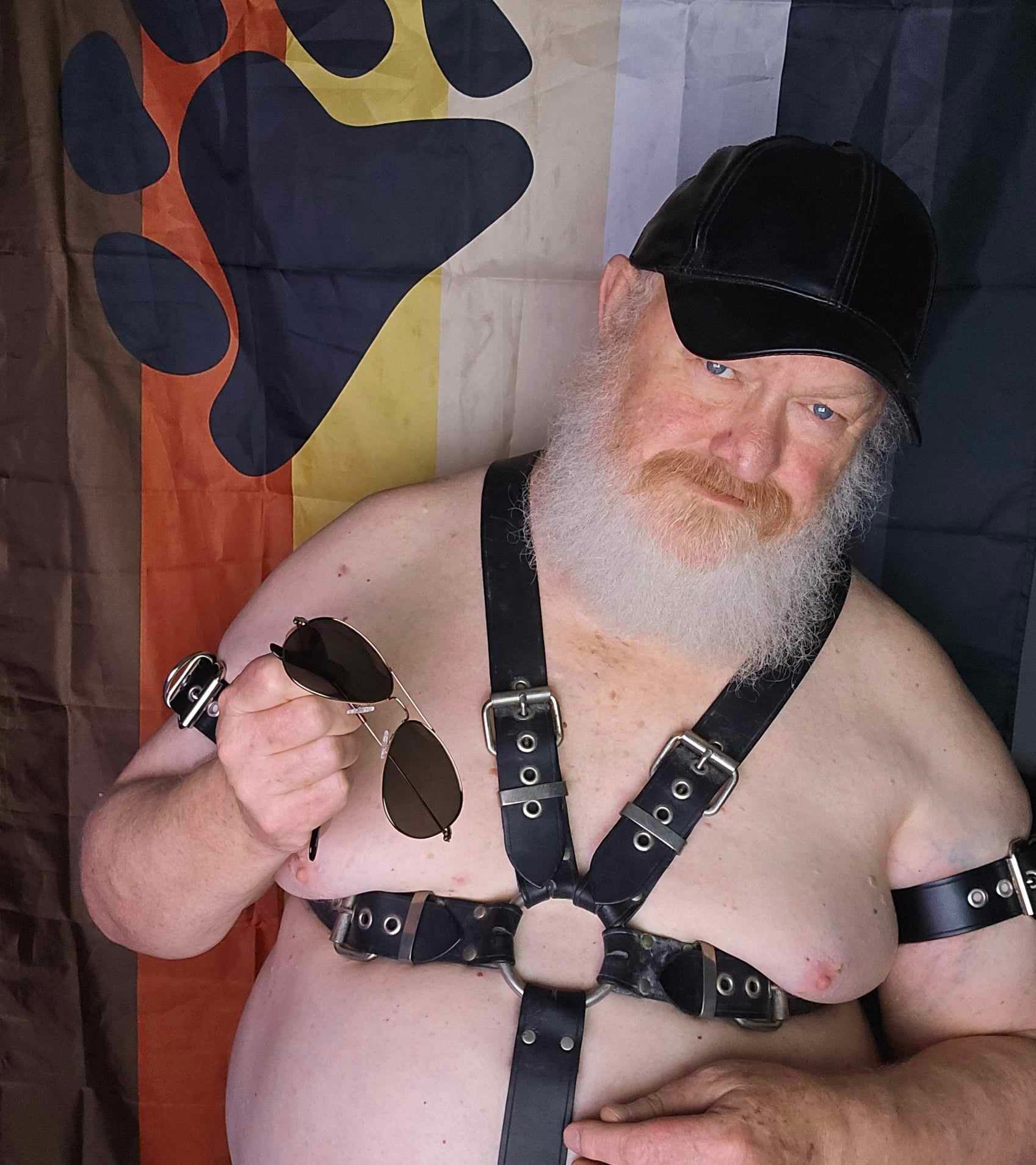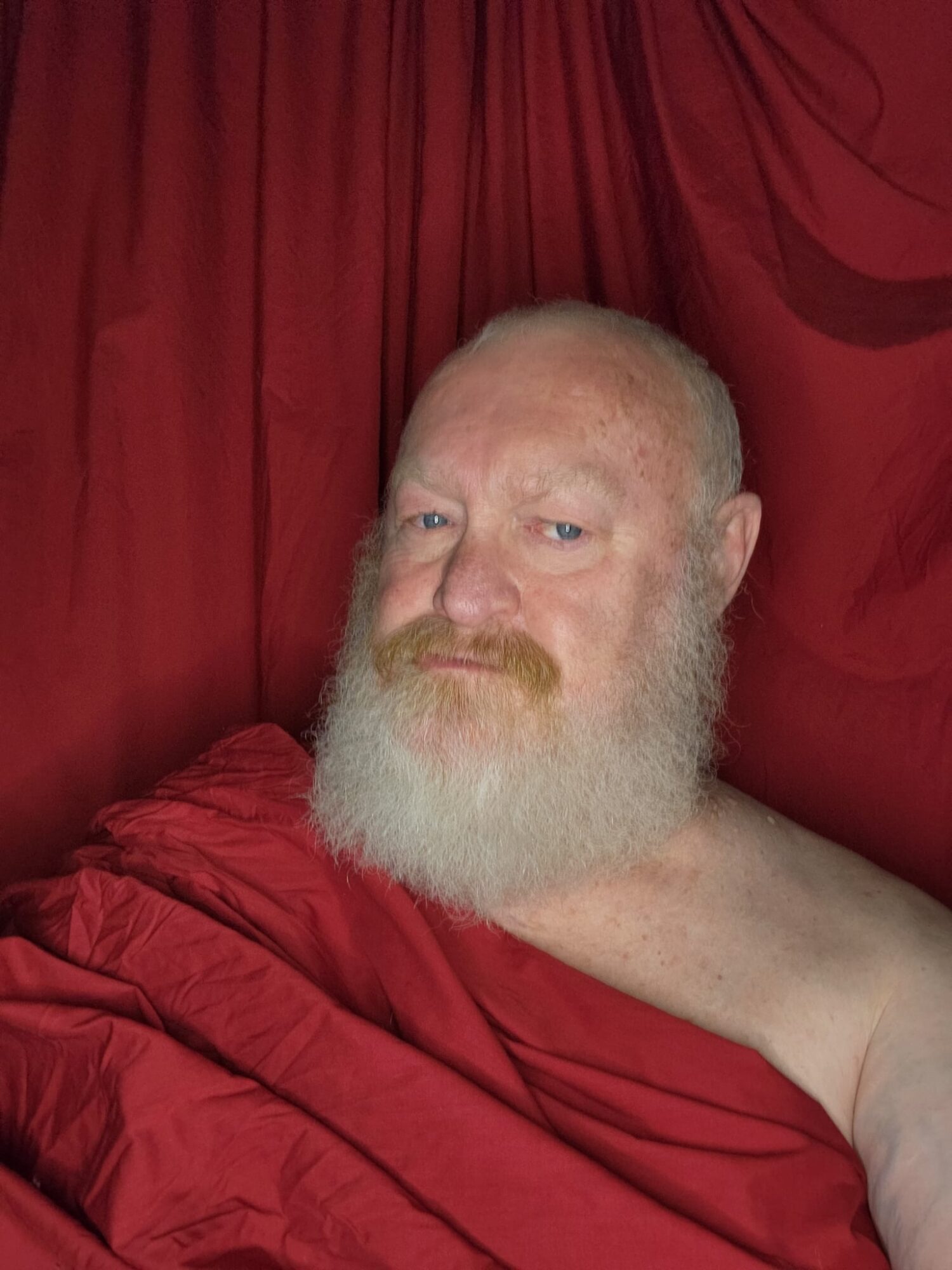
Meet Kerry Bashford, the queer writer, performer, journalist and editor living in Newcastle
Kerry Bashford is a 62-year-old writer and performer with a background in journalism and activism who has a keen interest in queer and bear history.
He lives with his cub in his hometown of Newcastle on Awabakal land, but spent many years in Sydney, and most of his work and practice is still there.
In Sydney, he became an early adopter of the bear scene in the early ‘90s and has written several histories of Harbour City Bears.
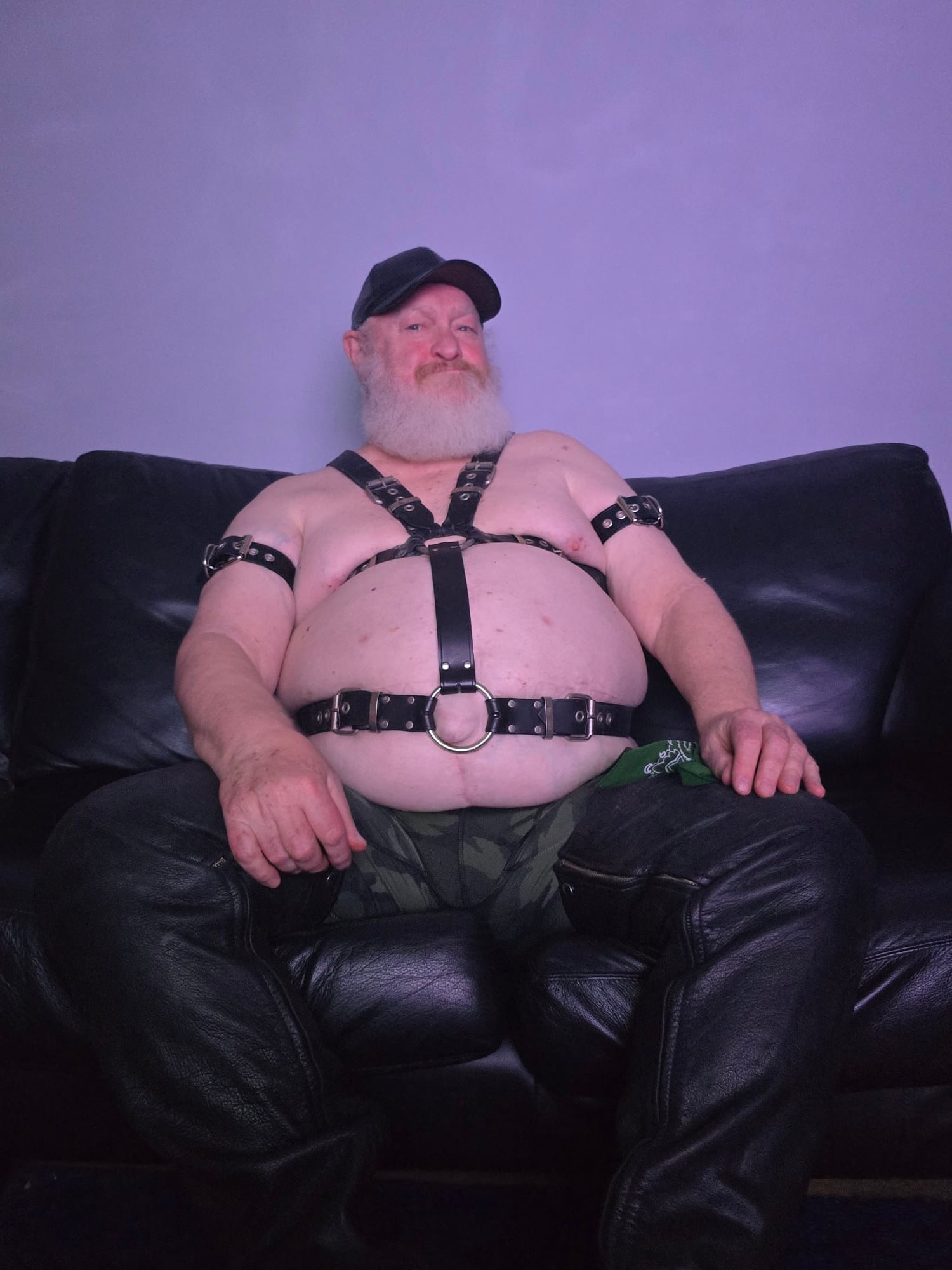
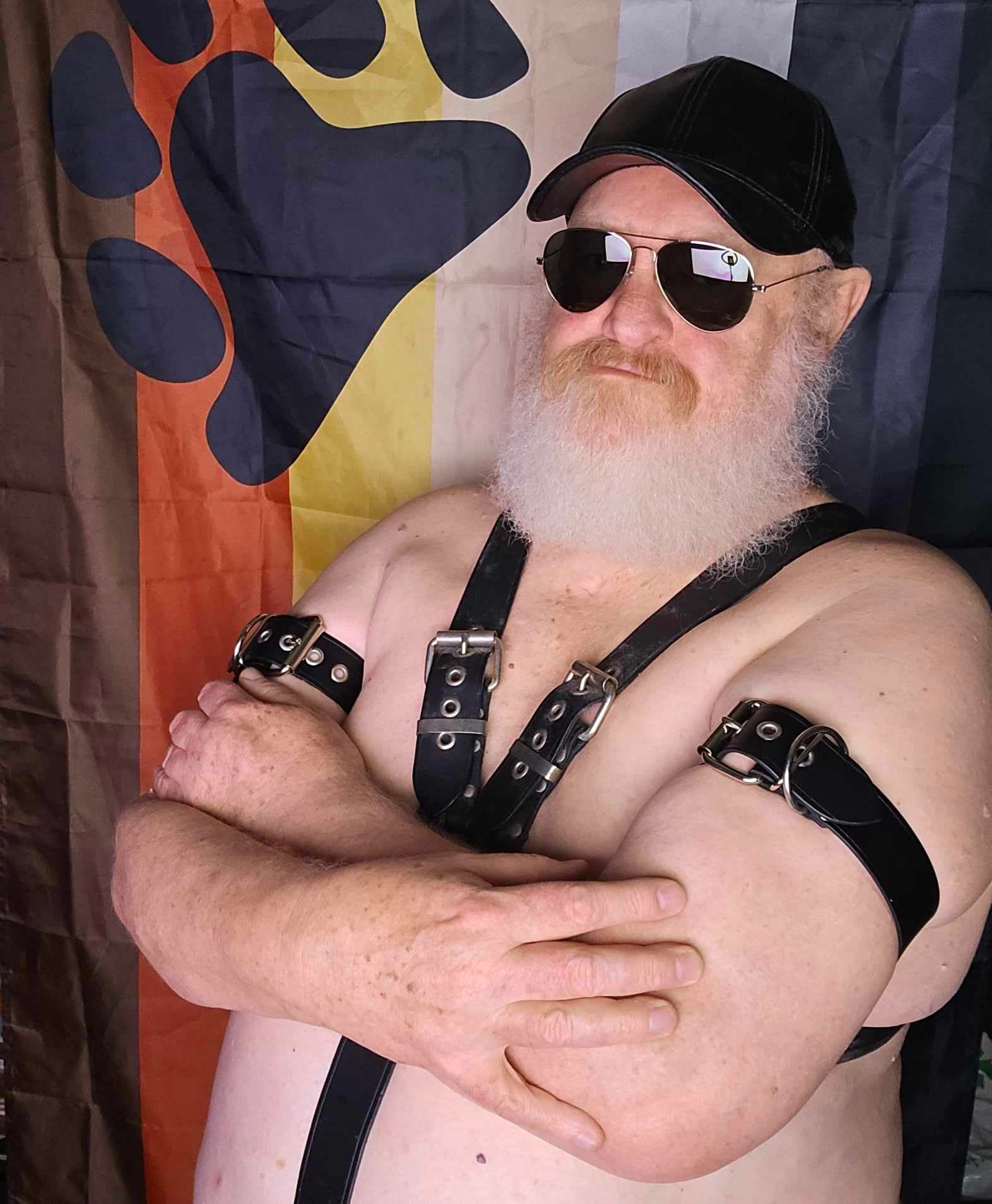
Luka Musicki (L.M.): What was it like growing up in New South Wales as a queer person?


Kerry Bashford (K.B.): Growing up in queer in Australia in the 70s was a challenge. I come from very working-class stock of convicts and coalminers. As a child, my father experienced a degree of poverty unknown to most Australians. He lived in a tent in the bush for a time. I’ve never experienced such deprivations, of course, but I grew up with rural redneck relatives.
There was another influence on my childhood that made it more mainstream and middle-class. I had a religious upbringing where I attended a church school and might have been on my way to be a pastor if I hadn’t been a poofter. Clearly, I had to consider a different career path.

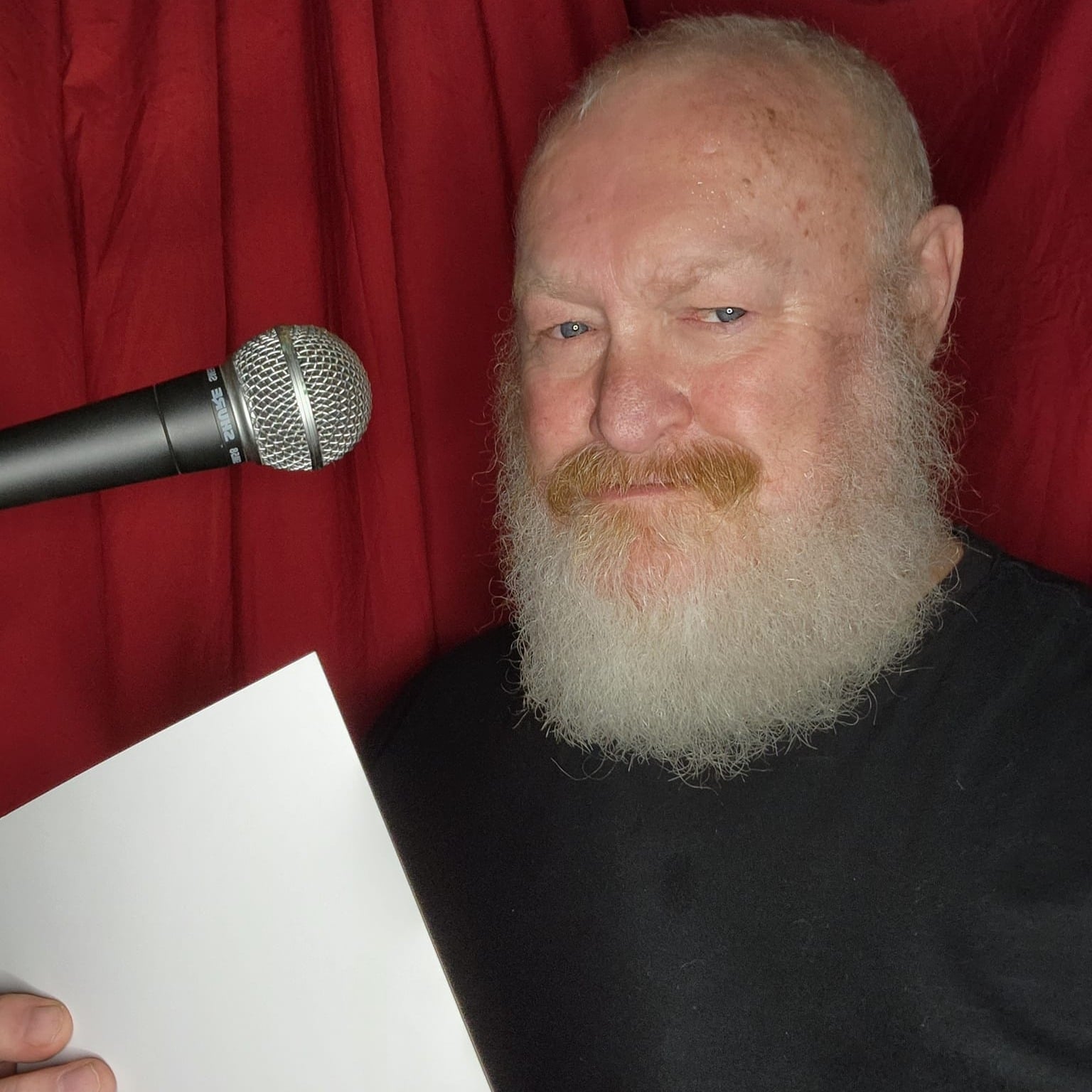
L.M.: How did you get into writing? Is there a publisher for books, or is it more a blog, or what media do you do?
K.B.: Writing has always been a constant companion. It was inconceivable that a working-class lad or a religious kid would be allowed to become an artist. That was someone else who lived in a different postcode. It didn’t happen in a place like Newcastle.
Luckily, I moved to Sydney where it seemed to happen a lot. I arrived in time for the desktop publishing boom in the 80s. The booming street and independent presses kept me fed for many years as I became a roving reporter of all things alternative.

Around that time, I did Communications at UTS, which was a haven for aspiring writers, and started having short fiction published and performed and even edited my own anthologies of queer fiction and essays. I guess it was at this time I “found my voice” and have failed to shut it up ever since.
L.M.: How did you get into performance and what are some of the performance roles that you have done?
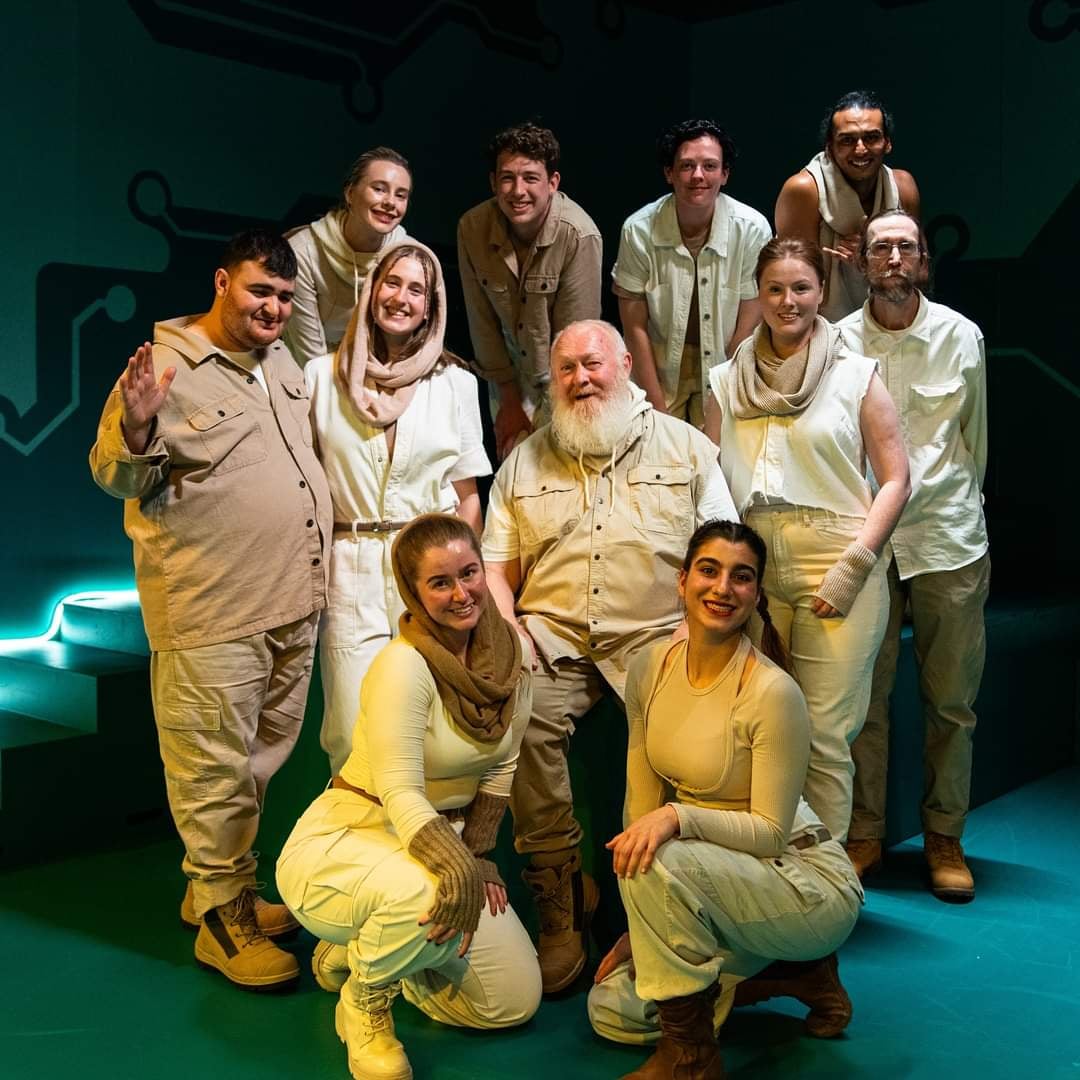
K.B.: In the late 80s, I found myself in curious company. I had come down from Newcastle with key characters who would go on to be a vital part of the underground fetish dance and cabaret scene in Sydney. I became most associated with the infamous Wicked Women, which was interesting as I was not that wicked back then and I’ve never been a woman, but nonetheless I collaborated with lesbian publishers and party promoters to create alternative queer entertainment.
I helped promote many shows and showcases and would especially envy the talent, admire the performers, and wish I had the fortitude to do it myself. It would be many years before I’d find that courage.
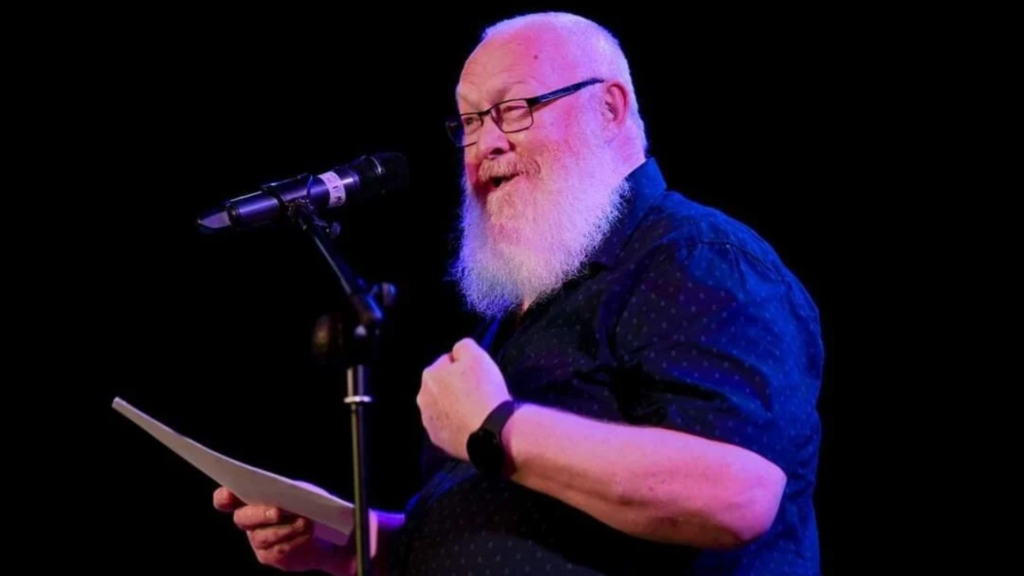
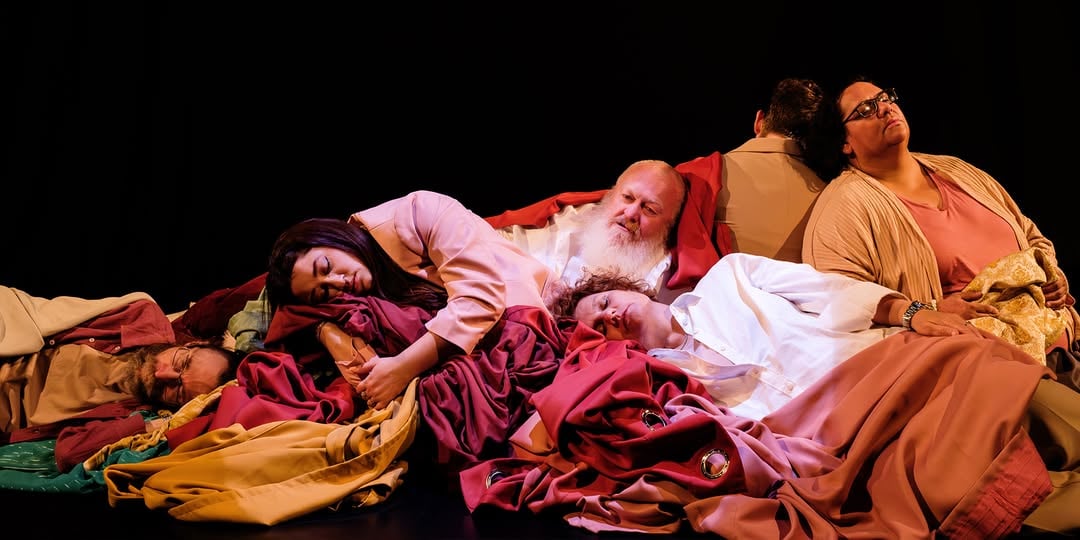
In fact, I was not to take to the stage professionally until the age of 60. I’ve been able to establish myself in a very short time, appearing in several shows thanks to collaborations with Weird Nest, Box of Birds, Shopfront Arts, Harness Ensemble, and my ongoing association with Milk Crate Theatre.
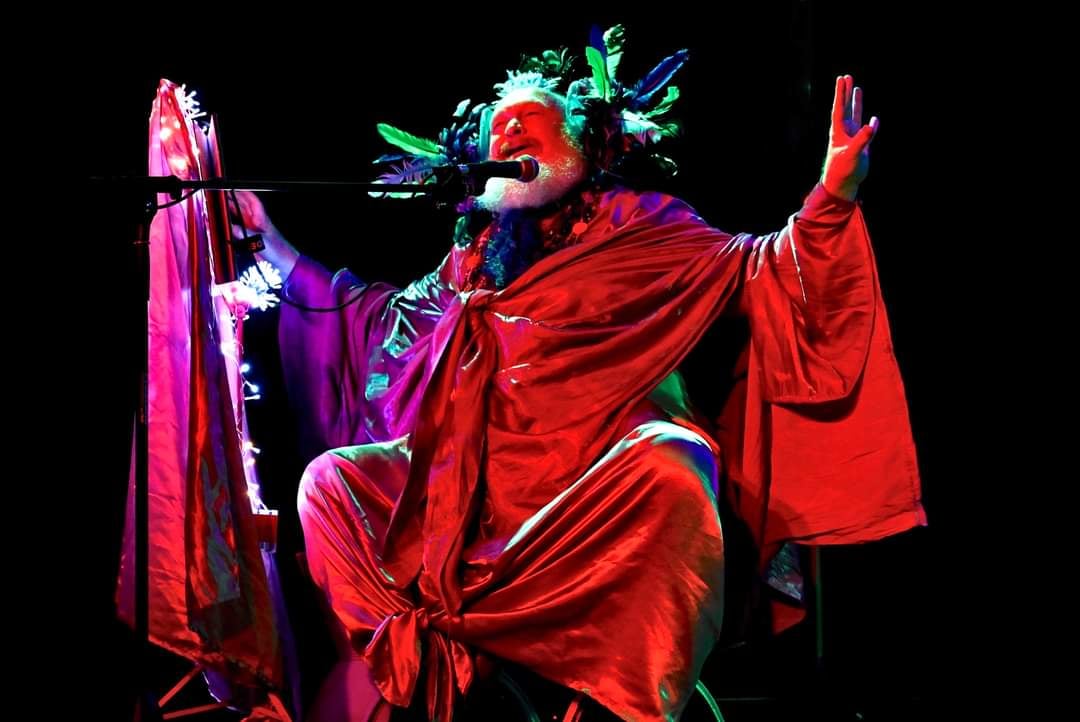
I was thrilled to be recognised in July last year with a residency at the Sydney Opera House. There I showcased a one man show which was a cabaret based around songs I had written, some almost 50 years old. It was well received, and I am currently in development with Milk Crate Theatre.
L.M.: Which do you prefer more, writing or performance?
K.B.: Writing feels like my own personal magic, a trick I can manifest from thin air. We all have it; that one thing we can do better than most people we know. But it’s also a craft, and I’ve practised it in many ways over the years: songwriting, storytelling, journalism, performance, criticism, commentary, copywriting.
Performance is a recent romance. I had done many readings over the years as every writer does, especially in the early days when I wrote fiction, but I had never stepped out from behind the lectern and given a full performance. Or worked with an ensemble and crew. Or enjoyed the tutelage of a director. That was until I started working with different companies, and I found my skills through group-devised performances where a bunch of creatives pile into a room and come out with a show, or something like that.
L.M.: For the writing, do you do journalism and editorials and what is involved?
K.B.: Journalism has always been my bread and butter ever since I wrote for the queer and music press as far back as the 80s. I was editor of Campaign Magazine in the mid-90s when it was celebrating its 20th year, making it one of the oldest gay mags in the world. The internet called and soon I was working as a producer and editor of numerous websites including the Ninemsn and Bigpond portal homepages. Outside the corporate gigs, most of my journalism was in arts and entertainment, and I was best known as a movie critic. I must say I miss it.
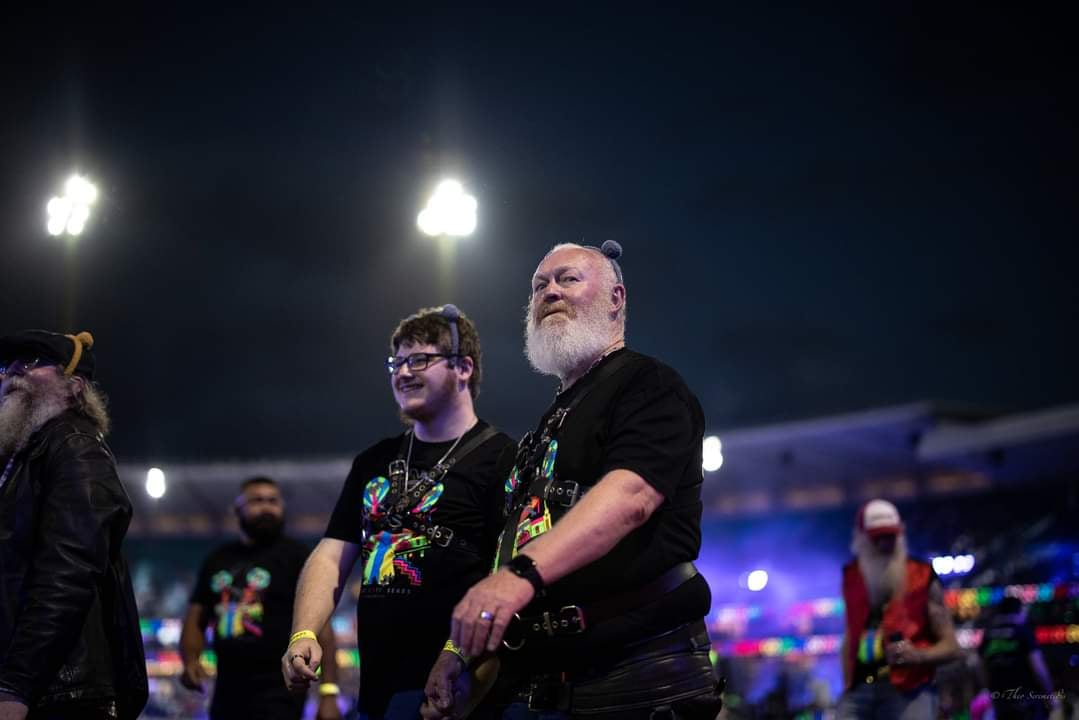
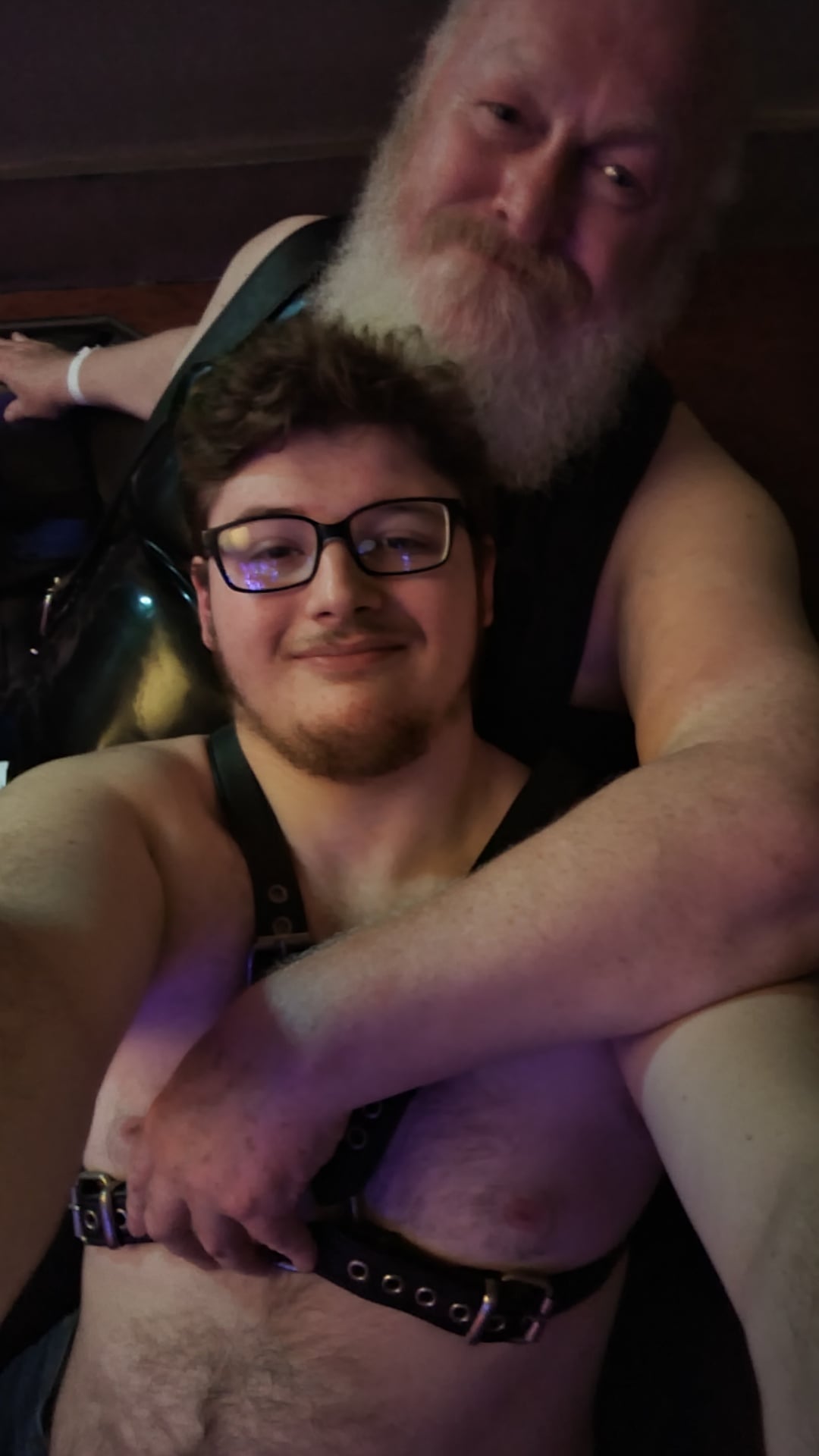
L.M.: How did you and your partner, Benjamin Fenton, meet?
K.B.: Like all civilised couples. On Growlr, of course! He courted me for some time before I realised what was going on. I’m a bit slow in that regard and I was seriously not looking for a relationship. I had nowhere to entertain at the time. I eventually invited him out for coffee. He said he didn’t drink coffee. I assured him there would be other beverages available.
That was over seven years ago, and we’ve lived together for most of it. There’s an age difference of 35 years which one would think is insurmountable, but we seem to work well as a couple, like threads of a tapestry, he’d say, and there’s a lot of grace and kindness and frankly more hugs than I can deal with.
L.M.: You have a cute dog. What is the breed and name of the dog?
K.B.: That would be Snow. A bit of problem child but I’ve come to love the damn thing. He was a package deal with the boy, who’d grown up with him. He’s a Staffie Blue Cattle cross but he has really typical Staffie behaviour. I thought he was quite unique, but TikTok has told me otherwise.
L.M.: What do you do for hobbies when you are not writing (or are you retired)?
K.B.: Semi-retired when it comes to journalism, my main interest these days is consistent with the passion of my lifetime: the queer community and its history. In Newcastle, I cofounded a local history group which collects stories from Newcastle and the Hunter Valley. I’ve collaborated with local historians and subjects and have given several talks on community history and true crime. Last year it culminated with the release of a documentary Generations of Pride which I executive produced.
This comes from early interests and influences. When I came out, I came out fighting and was an activist before I was anything. The efforts of my peers would be recognised in State Parliament for bringing law reform to New South Wales. Soon after, AIDS gripped gay culture and the next ten years would produce an experience from which I don’t think any of us who survived it have fully recovered.
More than anything I think it’s why I spend so much time in my dotage, remembering how things were, recording them, responding to questions about them. I learned at a young age how fragile life is and how vulnerable our history can be.
L.M.: Would you say being a bear has helped or hindered your career, and is your audience primarily bears for work and life?
K.B.: Depends on which career you are referring to. I’ve yet to fully grasp the effect being a bear has on me as a performer. I know in stage terms it can present as presence and physical energy. I work alone or in ensembles of radically physical types so I found my presence can fit well into the tableau. Mind you, if I sought work beyond my little world, I’d probably be cast as a villain or a thug. Funny how the first role I played was a prisoner in isolation. And I wrote that role.
My audience is varied, but I have concentrated on queer themes in my own writing, so I consider that a primary audience and an accessible audience. It was a great support in my early days, and I return to it as often as I can. I like a bear audience; it’s special to put on a show for your friends and I hope to do it in the future.
L.M.: Is there any advice that you would give someone (like a bear) who is interested in starting in the theatre/performance industry and writing industry, and what is involved?
K.B.: Those things you think may impair you, could well be the making of you. What makes you unique makes you stand out and could be what separates you from the pack. Authenticity always wins out over artifice. Be yourself, until the editor or director tells you otherwise.
L.M.: What are your career goals for the future? Do you plan on still performing and writing?
K.B.: Yes, although I have been writing in one way or another for half a century, I feel like I’ve just begun. I’m developing a few shows that I would like to roll out over the next five years. First is the cabaret piece I premiered at the Opera House about my childhood as a church singer which I abandoned for a queerer career. Then there’s a one man show about my early days as an activist set against a backdrop of a true crime case in my hometown. And then there’s my old favourite; a show about being a daddy and growing old and gay. I figure that one can wait. It will be relevant for years to come.
L.M.: Is there is anything else that you would like to add in that I have missed?
K.B.: I have had a long and proud association with the bear community. I think I attended the first bear meeting in the country with Ozbears in Zetland and I have been a regular ever since. It has provided a deeper sense of community than anything else in queer culture.
Membership of the bear community has been such a privilege and advantage. Joining the bear community was for me like waking up one day and discovering your tribe and that you were an instant elder.
My bear identity is married to leather identity. The two have grown together over time. But my strongest identification is Daddy. So many people have called me that in my life, I have accepted it as a matter of popular acclaim.
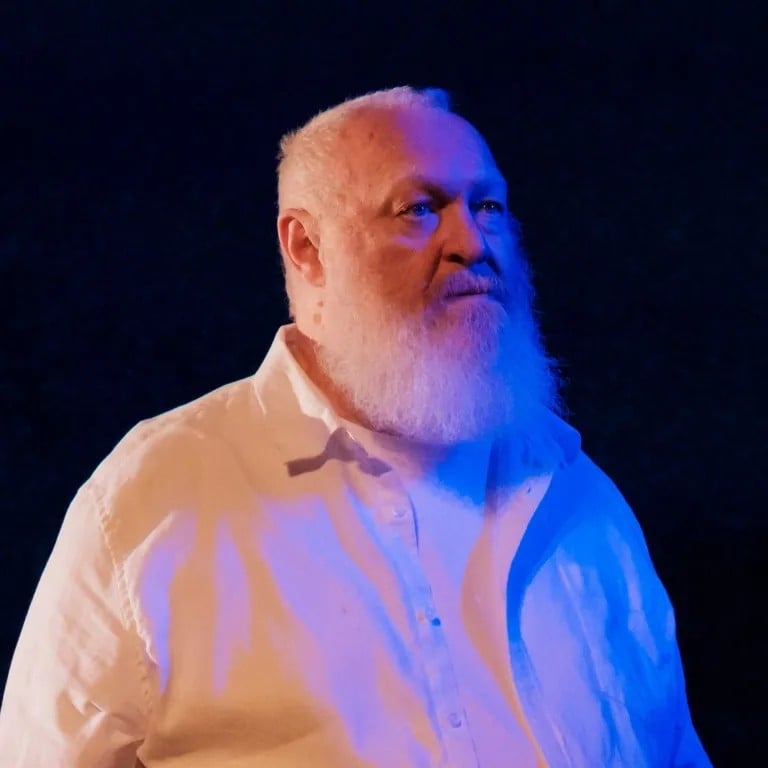
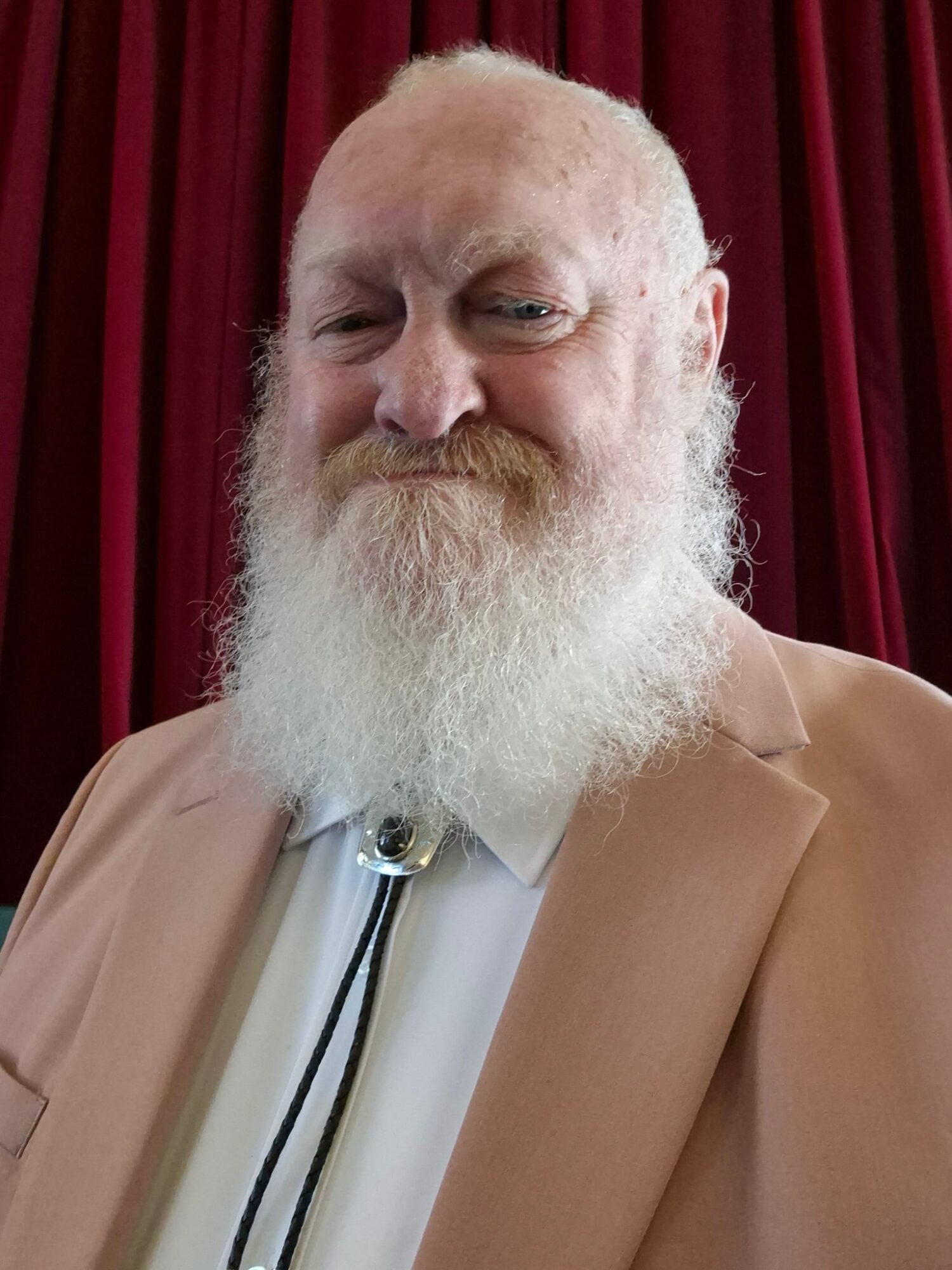
L.M.: Well, thank you, Kezza, for your time to sit down for an interview with me. Now it is time for the quick-fire questions to round off the remaining part of the interview.
- Location: Newcastle/Sydney
- Pronouns: He/Him/His
- Relationship status: Engaged
- Favourite Drink: Gin and tonic
- What type of guy are you into? I try to be open-minded on the issue.
- Favourite Cities/Vacation Spots: North New South Wales, Melbourne, Japan
- Favourite Hobby or Pastime: Staring blankly into space
- Idea of a good date? Dinner and cocktails at a local restaurant with my baby bear
- What do you look for in a guy? Who says I’m looking
- Where can you find yourself?
- Facebook: https://www.facebook.com/kezza.bear.2025
- Website: http://www.kerrybashford.com/